Maintaining clean grout on floor tiles can dramatically improve a room’s appearance and longevity. This guide breaks down practical, surface-safe methods and tools that work in most American homes, with a focus on common grout types and tile finishes. By following a simple routine, homeowners can prevent discoloration and stubborn stains.
Quick Answer
Regular cleaning with a dedicated grout cleaner spray for tile floors, paired with a grout brush scrubber for tile floor, keeps grout looking fresh. For deep cleaning, use a steam cleaner with grout cleaning brush attachment, then seal porous grout to prevent future staining. Color-restoring products can refresh grout color after heavy traffic or staining.
What You’ll Need
- grout cleaner spray for tile floors
- grout brush scrubber for tile floor
- penetrating grout sealer for ceramic tile floors
- grout color restorer kit for tile floors
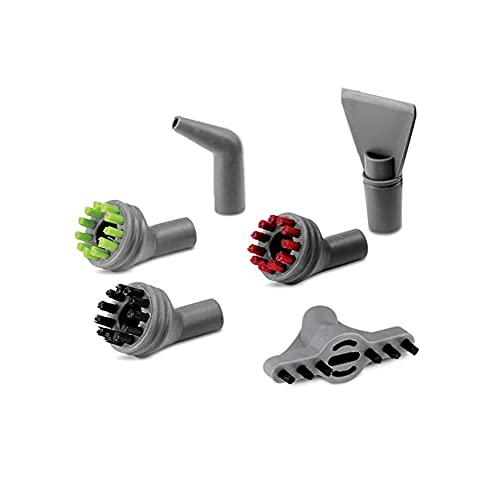
- steam cleaner with grout cleaning brush attachment


Before You Start
Assess the tile and grout type to choose compatible products. Porous cement-based grout accepts sealers better, while epoxy grout resists staining but may be less permeable to cleaners. Always test a small, inconspicuous area first. Wear gloves and eye protection, and ensure good ventilation when using chemical cleaners. Plan cleaning in stages to minimize downtime for busy kitchens or bathrooms.
Step-By-Step: How To Clean Grout On Floor Tiles
- Clear the area and sweep or vacuum to remove loose debris from tile surfaces and grout lines.
- Apply a grout cleaner spray for tile floors along grout lines, following the product’s directions for dwell time.
- Scrub thoroughly with a grout brush scrubber for tile floor, focusing on stained or dark lines without harsh scrubbing that could abrade the grout.
- Rinse the area with clean water or a damp cloth to remove residue; repeat scrubbing if necessary for stubborn stains.
- For heavy staining, repeat cleaning or use a steam cleaner with grout cleaning brush attachment to lift grime from deep in the pores.
- Dry the surface completely to prevent new stains from forming while grout is still damp.
- Inspect grout lines for color or brightness; if uniform, proceed; if not, consider a grout color restorer kit for tile floors to refresh appearance.
- Apply a penetrating grout sealer for ceramic tile floors after the grout is fully dry, following the sealer’s instructions to protect against future stains.
Troubleshooting
| Symptom | Likely Cause | Fix | Prevention |
|---|---|---|---|
| Grout remains discolored after cleaning | Deep-set stains or porous grout | Try a grout color restorer kit for tile floors to refresh color and brightness | Seal grout after cleaning to prevent future staining |
| Efflorescence or white powder on grout | Moisture drawing minerals to surface | Wipe and dry; ensure proper sealing and ventilation | Use a penetrating sealer and fix any moisture sources |
| Cracked or crumbling grout | Aging or heavy wear | Replace compromised grout and reseal surrounding area | Guard against moisture and limit harsh cleaners |
| Streaks after cleaning | Residue from cleaner | Rinse with clean water, wipe dry | Use fewer chemicals and a final rinse |
Common Mistakes
- Using abrasive tools on soft grout can widen joints
- Over-wetting grout during cleaning can promote mold growth
- Skipping a sealant after cleaning allows stains to reappear quickly
- Choosing the wrong cleaner for epoxy grout can dull the finish
Tips For Best Results
- Schedule regular maintenance sessions every few months to curb buildup
- Work from the center of the room outward to avoid stepping on cleaned areas while drying
- Test all products on a small area before full application
- Combine mechanical scrubbing with chemical cleaners for best results
- Consider a color restorer kit for tile floors if grout color has faded unevenly
Call A Professional
Consider a pro if grout is severely cracked, moldy, or if porcelain or ceramic tiles are damaged behind grout. Stop signs include persistent musty odors, recurring discoloration after multiple cleanings, or if you notice large areas of crumbling grout. A professional can regrout or reseal to restore both appearance and tile integrity.
FAQ
How often should grout be cleaned on floor tiles?
Most homes benefit from a routine cleaning every 1–3 months, depending on foot traffic and exposure to moisture or pet spills.
Can I use bleach to clean grout?
Bleach can brighten grout but may damage colored or epoxy grout. Always follow product directions and test in a hidden area.
Is sealing grout necessary?
Penetrating sealers help repel moisture and stains, especially on porous cement-based grout.
What should I do if grout color is uneven after cleaning?
Apply a grout color restorer kit for tile floors to even out shade and restore uniform look.
Can I use a steam cleaner on all grout types?
Steam cleaners work well on sealed or epoxy grout but may not be suitable for porous cement-based grout lacking a proper seal.
How long does sealing grout take to cure?
Most sealers cure within 24 hours, but full curing can take up to 72 hours depending on product and climate.
Are there natural alternatives for grout cleaning?
Baking soda and vinegar formulations can help, but check compatibility with your grout type to avoid damage.
Buying Guide
Choosing the right grout care products depends on tile type, grout porosity, and cleaning goals. Consider a comprehensive kit that includes a grout cleaner spray for tile floors, a grout brush scrubber for tile floor, and a penetrating grout sealer for ceramic tile floors for routine maintenance. If heavy staining is likely, a grout color restorer kit for tile floors provides a practical refresh. A steam cleaner with grout cleaning brush attachment offers deep-clean potential for challenging grime without excessive scrubbing. Finally, assess overall maintenance needs to determine whether to add ongoing sealing or periodic restoration.
Buying Guide: Key Factors To Consider
- Size and coverage: Choose cleaners and sealers that cover the intended area with adequate product density.
- Noise level and ease of use: For steam cleaners, check when it operates quietly and how simple the attachments are to swap.
- Energy efficiency: While cleaning tools aren’t energy-heavy, select electric steam cleaners with energy-saving modes if available.
- Controls and indicators: Look for clear dwell-time instructions, spray controls, and indicator lights for sealing products.
- Surface compatibility: Match products to tile finish (ceramic, porcelain, stone) and grout type (cement-based vs epoxy).
- Placement and storage: Choose compact tools for small bathrooms and deep-kneeling spaces; store with easy access to brushes and seals.
- Maintenance cadence: Decide whether you’ll perform routine cleaning, sealing, or color restoration on a schedule.