Mice are a common nuisance in many American homes, and natural deterrents are increasingly popular. Cinnamon offers a scent that can help mask trails and discourage rodents when used correctly. This guide explains practical, safe ways to harness cinnamon as part of a broader mousetrap-free strategy.
While cinnamon alone is not a guaranteed cure, combining essential oils, sticks, and sprays with good sanitation dramatically improves outcomes. The goal is to create a hostile scent environment for mice while avoiding potential hazards to pets and children.
Quick Answer
Use cinnamon in multiple forms—diffusers or essential oils near entry points, cinnamon sticks or sachets in cabinets or drawers, and simple cinnamon-scented sprays for targeted areas. For best results, pair cinnamon methods with sealing entry points, removing attractants, and maintaining a clean footprint.
What You’ll Need
The following tools and materials align with common cinnamon-based rodent deterrents. Keep in mind that these products are intended to supplement good home hygiene and exclusion efforts.
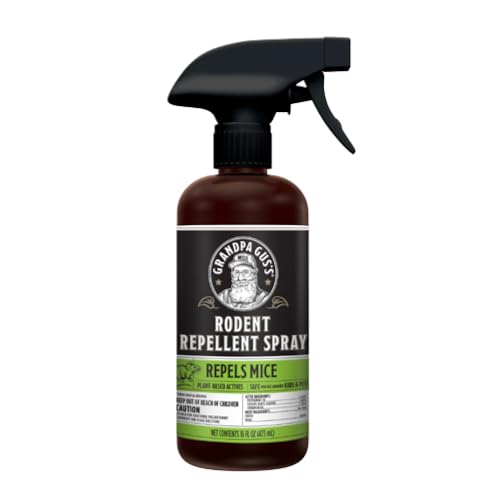
- Cinnamon essential oil mouse repellent spray 16 oz
- Cinnamon stick rodent deterrent sachets 12 pack
- Cinnamon essential oil diffuser kit for mice deterrent
- Natural cinnamon-scented rodent repellent spray 32 oz
- Cinnamon oil concentrate mice control kit with spray bottle


Before You Start
Before applying cinnamon-based deterrents, observe basic safety:
- Place cinnamon products away from heat sources and out of reach of children and pets where possible.
- Test any spray on a small, inconspicuous area to ensure no surface staining or damage.
- Establish a baseline by inspecting potential entry points, droppings, and nesting areas.
Time estimate: 30 minutes to set up, plus ongoing monitoring. If you notice persistent gnawing or large rodent activity, escalate to a professional pest control plan.
Step-By-Step: Using Cinnamon To Deter Mice
- Identify entry points, droppings, and nesting sites with a flashlight at dawn or dusk when mice are most active.
- Place cinnamon stick sachets along baseboards, behind appliances, and near suspected entry points to create scent barriers.
- Set up a cinnamon essential oil diffuser kit in rooms frequented by rodents but away from kids and pets.
- Spray targeted areas with a cinnamon-based repellent spray to reduce odor trails that attract new mice. Reapply as directed by product guidelines.
- Combine sprays with a natural cinnamon-scented rodent repellent spray in cabinets, pantries, and storage corners.
- Seal obvious gaps using appropriate caulk, steel wool, or weatherstripping to block unseen entry routes.
- Maintain cleanliness by removing crumbs, storing food in sealed containers, and promptly disposing of trash.
- Rotate cinnamon products to prevent scent adaptation; alternate between diffusers and sachets every few weeks.
- Monitor activity for 1–2 weeks. If signs persist, increase sachet placement and re-evaluate entry points.
- Combine cinnamon methods with physical traps or humane deterrents only if the problem persists after exclusion.
- Document areas of improvement and adjust placements based on observed mouse activity at different times of day.
- If the issue continues beyond 4–6 weeks, consult a licensed pest professional for a customized plan.
Troubleshooting
| Symptom | Likely Cause | Fix | Prevention |
|---|---|---|---|
| Smell fades quickly | High air flow or large open spaces | Reposition diffusers and increase sachet density | Place near known activity zones and seal drafts |
| Little to no mouse change | Entry points not sealed | Address gaps and reinforce with steel wool | Regularly inspect for new openings |
| Surface staining or damage | Overuse of sprays on sensitive surfaces | Limit spray to recommended areas and test first | Opt for scent sachets where possible |
| Pet interference | Pets access cinnamon products | Relocate items higher or inside sealed cabinets | Supervise pets and use pet-safe placements |
Common Mistakes
- Relying on cinnamon alone without sealing entry points or removing attractants.
- Over-spraying or saturating surfaces, which can cause staining or odors that attract attention.
- Ignoring pet safety by placing deterrents within reach of curious animals or children.
- Assuming scent alone solves a severe infestation—scale up with exclusion and sanitation.
Tips For Best Results
For reliable outcomes, combine cinnamon strategies with practical exclusion:
- Place sachets in concealed locations like behind appliances, inside cupboards, and near baseboard gaps.
- Use a rotating approach: alternate diffusers with sachets to prevent scent fatigue.
- Maintain a tidy kitchen and pantry; store food in sealed containers and promptly clean crumbs.
- Inspect and seal exterior gaps around doors, windows, and utility lines to reduce access points.
- Track progress with simple notes on where activity is reduced or increased to refine placement.
Call A Professional
Consider contacting a professional if any of the following occur:
- Persistent activity despite multiple cinnamon-based deterrents and sealing efforts.
- Evidence of a large infestation, such as widespread droppings or nesting in walls.
- Animals showing signs of distress or if pets frequently encounter rodents.
FAQ
Does cinnamon really deter mice?
Cinnamon can disrupt scent trails and act as a mild deterrent, especially when used with exclusion practices.
Which cinnamon product is most effective?
Effectiveness varies by setting; a combination of cinnamon essential oil sprays, diffusers, and sachets often yields the best results.
Are cinnamon products safe around pets?
Place deterrents in high or sealed locations and avoid direct exposure to pets. Always follow product instructions.
How long before I see results?
Results vary; some homes notice changes within a few weeks, while others may take a couple of months with proper exclusion.
Buying Guide
When selecting cinnamon-based rodent deterrents, consider several factors to match home needs:
- Size and coverage: Choose sprays or diffusers that fit the room size and typical activity zones.
- Noise level: Diffusers operate quietly; sprays are silent but require placement planning.
- Energy efficiency: Diffuser kits with low energy use minimize ongoing costs.
- Controls: Look for easy-to-use spray bottles and adjustable diffuser settings for flexible use.
- Placement versatility: Sachets and sticks offer flexible placement in cabinets, shelves, and corners.
- Safety and scent strength: Consider households with kids or pets and choose milder scent profiles if needed.
- Maintenance: Some products require periodic reapplication; others last longer but need periodic checks.
- Combination potential: The best results often come from a mix of sprays, diffusers, and sachets used with exclusions.
Are you balancing scent strength with safety and budget? A layered approach—sachets for long-lasting scent, sprays for targeted zones, and a diffuser for continuous presence—often provides the strongest deterrent while staying practical for American homes. Assess your space, then implement a phased plan that fits daily routines and household priorities.