Tile floors offer durability and a clean, polished look when properly cared for. This guide explains practical methods to remove dirt, grime, and tile-specific stains while restoring a bright, glossy finish. It combines step-by-step techniques with product recommendations suitable for typical American homes.
Quick Answer
For everyday cleaning, use a microfiber mop with a tile-friendly cleaner and a soft scrubbing pad for grout. For deep cleaning, a steam mop can be effective on sealed ceramic tiles, followed by a polish and sealer to preserve shine.
What You’ll Need
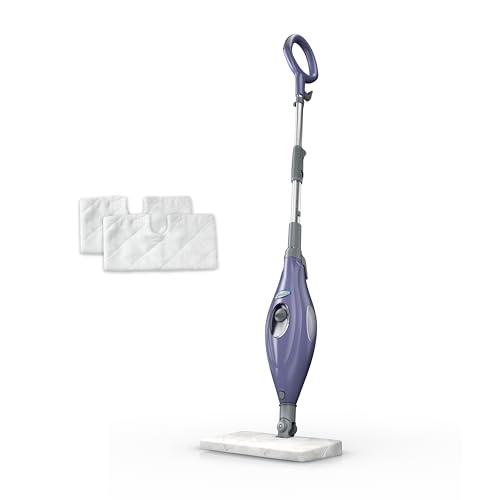
- Steam mop for tile floors ceramic tile
- Electric floor buffer polisher for tile floors
- Microfiber mop for tile floors washable pads
- Grout cleaning brush long handle tile floors
- Tile floor polishing pad and sealer applicator kit


Before You Start
Ensure tile floors are in good condition and free of loose grout or cracks. Test cleaners in a small, inconspicuous area before full use. Protect baseboards and walls from splashes. Allow floors to dry thoroughly after cleaning. Safety note: keep kids and pets off the floor until it’s dry to avoid slips.
Estimate cleaning time: roughly 30–60 minutes for a standard room, depending on dirt level and grout depth.
Step-By-Step: How To Clean And Shine Tile Floors
- Clear the area and vacuum or sweep loose debris from the floor to prevent scratching during mopping.
- Mix a gentle tile-safe cleaner with warm water, following the product instructions for dilution and contact time.
- Begin mopping with a microfiber pad, working in small sections to avoid dark grout lines from sitting cleaner too long.
- For grout lines, use a long-handle grout cleaning brush to scrub with a baking soda paste or a grout-specific cleaner for stubborn stains.
- Rinse the floor with clean water to remove any residue from cleaning solutions. Use a damp, not soaking, microfiber mop for rinsing.
- Allow the floor to dry, then optionally use a steam mop for deeper sanitation on sealed ceramic tile surfaces.
- Apply a tile floor polishing pad to a compatible buffer or polisher to restore shine across the surface if the tiles appear dull.
- Finish with a tile floor sealer applicator kit as needed, focusing on high-traffic areas and grout lines to protect against future staining.
Troubleshooting
| Symptom | Likely Cause | Fix | Prevention |
|---|---|---|---|
| Dull, hazy finish after cleaning | Residual detergent or hard water minerals | Rinse with clean water and buff with a dry microfiber pad | Use distilled water for rinsing when possible |
| Sticky or slippery surface | Over-wetting or soap residue | Wipe with a damp cloth, then dry; avoid excessive soap | Use the recommended dilution on cleaners |
| Streaks on tile | Uneven drying or metal mop residue | Switch to a microfiber pad and dry thoroughly | Use non-metallic tools; ensure proper drying |
| Grout remains dark after cleaning | Deep staining or ingrained grime | Reapply grout cleaner and scrub with a long-handle brush; consider sealing | Regular grout maintenance |
Common Mistakes
- Using abrasive pads that scratch ceramic surfaces
- Over-wetting the floor, leading to water seeping under tiles
- Ignoring grout lines, which can attract grime and mold
- Skipping a rinse, leaving soap residues that dull the finish
Tips For Best Results
- Maintain a routine cleaning schedule to prevent buildup on tile and grout.
- Use a dedicated microfiber mop for tile floors to capture dust and debris efficiently.
- Seal grout periodically to reduce staining and improve cleaning effectiveness.
- Test any cleaner on a small area before full application to avoid discoloration.
- Work in shade or during cooler hours to speed up drying and avoid streaks.
Call A Professional
Consider a pro if tile grout is severely stained, if there are cracks in the tile, or if the floor requires major restoration. Stop and consult a specialist if the floor shows warping, loose tiles, or moisture damage, as issues may indicate underlying substrate problems.
FAQ
What cleaning products are best for tile floors?
Use a tile-safe cleaner designed for ceramic or porcelain tiles; avoid acidic cleaners on natural stone.
How often should I seal tile grout?
Seal grout every 1–2 years for typical humidity areas, or more often in kitchens and bathrooms.
Can I use a steam mop on all tile floors?
Steam mops are effective on sealed ceramic tiles but should not be used on unsealed surfaces or natural stone unless recommended by the manufacturer.
What should I do about stubborn grout stains?
Apply a grout cleaner and scrub with a long-handled brush; consider reapplying sealant after cleaning.
Buying Guide
Choosing the right tools and products for tile floors involves considering size, noise, and maintenance needs. This guide helps compare options and select gear that fits most kitchens, bathrooms, and entryways.
- <bSize and coverage: Look for mops and buffers sized for typical room dimensions; larger heads cover more area but may be heavier to maneuver.
- <bNoise level: Electric buffers and steam mops vary in noise; choose models with quieter operation if noise is a concern.
- <bEnergy efficiency: Energy-efficient steam mops use less water and power; check energy ratings when available.
- <bControls and ease of use: Simple dial or wand controls reduce setup time and user fatigue during cleaning sessions.
- <bPlacement and storage: Wall-mounted racks or compact caddies help keep tools organized in small spaces.
- <bMaintenance and consumables: Reusable microfiber pads and easy-grip grout brushes reduce ongoing costs and waste.
When evaluating options, consider how often floors get dirty, the presence of children or pets, and whether grout cleaning will be a regular task. A balanced setup with a microfiber mop, a grout cleaning brush, and a tile floor polishing kit can provide reliable results for most homes. Are you aiming for a quick daily tidy or a deeper shine for high-traffic areas?