Penny tile shower floors add a classic, elegant look to bathrooms, but their small round tiles and grout lines can trap soap scum and mildew. This guide walks American homeowners through a practical, step-by-step method to clean penny tile floors effectively while protecting the grout and maintaining shine. By following these steps, a cleaner, brighter shower floor is within reach using common tools and a few specialty brushes.
Quick Answer
Quick Tip: Use a gentle cleaning solution, a stiff nylon grout brush for the heavy grout areas, and a microfiber mop to dry and buff the surface. For tough stains, apply a specialized bathroom grout sealer pen to protect the grout between cleanings.
What You’ll Need
Gather these tools and products to tackle penny tile shower floors efficiently. The list prioritizes the provided product keywords to keep the workflow straightforward.
- Stiff nylon grout brush for bathroom tile — for scrubbing grout joints without scratching tile
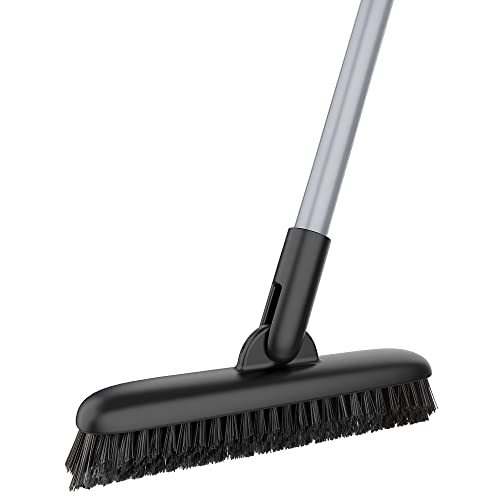
- Tile and grout scrub brush with angled head — helps reach tight corners between pennies
- Bathroom grout sealer pen for tile — protects grout after cleaning
- Microfiber mop for bathroom tile and grout — dries and buffs without leaving lint
- Bathroom tile cleaning kit with grout brush and scrub sponge — convenient all-in-one kit for cleaning


Before You Start
Before cleaning, inspect the shower floor for loose grout or cracked penny tiles and repair if needed. Protect surrounding surfaces with a light plastic drop cloth. Ensure good ventilation to minimize chemical odors. Time estimate: 30–60 minutes for a standard shower floor, longer for stubborn stains. Wear gloves and avoid acidic cleaners on natural stone or unsealed grout.
Step-By-Step: How To Clean Penny Tile Shower Floor
- Remove any loose debris from the floor with a dry microfiber cloth or broom. This prevents grinding dirt into the grout during scrubbing.
- Rinse the surface with warm water to loosen soap scum and mineral buildup from the penny tiles.
- Prepare a mild cleaning solution: mix a pH-balanced cleaner or a few drops of dish soap with warm water. Avoid harsh acids that can erode grout over time.
- Apply the cleaner to the floor and let it sit for 5–10 minutes, especially on grout lines with visible staining.
- Use the stiff nylon grout brush for bathroom tile to scrub along the grout lines. Work in small sections, applying steady pressure without gouging the grout.
- Switch to the tile and grout scrub brush with angled head to reach corners between penny tiles and clean around edge trims.
- Rinse the floor thoroughly with clean water, removing all soap residue from both tiles and grout.
- Dry the floor with a microfiber mop for bathroom tile and grout to prevent water spots and mildew growth. Buff the surface to a gentle shine.
- If grout is still dark or stained, apply a dedicated bathroom cleaner to grout joints only, then scrub again with the nylon brush. Rinse completely.
- Seal the grout after the floor dries: use the bathroom grout sealer pen for tile to protect against future moisture intrusion. Follow the product instructions for reapplication intervals.
- Reinspect the floor after the sealer cures. Lightly buff with a clean microfiber cloth to restore the surface sheen.
- Keep up routine maintenance by performing a quick weekly wipe-down and a deeper clean every 1–2 weeks, depending on water hardness and usage.
Troubleshooting
| Symptom | Likely Cause | Fix | Prevention |
|---|---|---|---|
| Dark grout returns after cleaning | Soap scum buildup or mineral deposits | Re-clean with a mild cleaner focusing on grout lines; consider a dedicated grout cleaner | Regular weekly cleaning to prevent buildup |
| Stiff brushing feels rough on tile | Brushing too hard or using an overly harsh brush | Switch to a gentler brush and reduce pressure | Use proper brushes designed for tile and grout |
| Water spots after drying | Hard water minerals | Rinse and dry thoroughly; consider microfiber mop for better removal | Wipe down after every shower to minimize mineral deposits |
| Grout cracking after sealing | Over-sealing or old, degraded grout | Inspect grout health; reseal only after cleaning and repairing | Test a small area first; follow sealer directions |
Common Mistakes
- Avoid acidic cleaners on grout and penny tile; they can etch grout over time.
- Don’t scrub too aggressively with abrasive brushes, which can scratch tile surfaces.
- Never skip rinsing after cleaning, as residue invites mildew growth.
- Don’t over-seal; apply thin, even coats and let them cure fully.
Tips For Best Results
- Work in small sections to prevent cleaner from drying on the surface before scrubbing.
- For hard water areas, pre-treat grout lines with a mineral-removing solution before brushing.
- Pair a cleaning routine with gentle daily maintenance to extend the life of the grout.
- Test new cleaners on a small, inconspicuous area before full application.
Call A Professional
Contact a pro if grout is cracked, crumbling, or if penny tiles are loose or lifting. Seek immediate help for persistent mold growth behind tiles, water leaks, or if a sealant does not cure evenly. Pro services are advisable when electrical or plumbing work is suspected behind the shower wall, or if the shower floor is uneven and causing water pooling.
FAQ
Can I use vinegar to clean penny tile showers?
Vinegar is generally not recommended for grout, especially in unsealed grout or natural stone-like surfaces, as it can degrade grout over time.
How often should I reseal grout on a penny tile shower floor?
Typically every 6–12 months, depending on usage and water hardness. Monitor grout color for signs of wear.
Is it safe to use a steam cleaner on penny tile floors?
Steam can penetrate grout and loosen it; use caution and follow manufacturer guidelines, or opt for traditional cleaning methods for safety.
What if the grout is permanently stained despite cleaning?
Stubborn stains may require a stronger grout cleaner or re-grouting in severe cases.
Are penny tiles prone to mold growth in showers?
Yes, if grout is not properly sealed or dried. Regular cleaning and thorough drying after use reduce mold risk.
Buying Guide
When selecting tools and supplies for penny tile shower floors, consider these factors to optimize cleaning results:
- Size and shape: Penny tiles are small and round; choose brushes with angled heads to reach grout lines effectively.
- Noise level: Some scrubbing brushes can be loud; look for comfortable, low-noise handles for home use.
- Energy and water efficiency: Microfiber mops and efficient brushes minimize water use while maximizing cleaning power.
- Controls and usability: Ergonomic handles and non-slip grips reduce fatigue during scrubbing sessions.
- Placement and storage: A compact cleaning kit that fits under a sink prevents clutter and makes maintenance easier.
- Sealing products: Choose a grout sealer pen designed for tile; ensure it’s compatible with your grout type and acceptable for bathroom use.
- Compatibility with existing grout: Confirm that brushes are gentle enough not to damage fragile, cracked, or aged grout.
- Maintenance schedule: Establish a routine that fits your shower’s water hardness and frequency of use to keep pennies looking fresh.