Yellowing on marble can result from mineral deposits, oil stains, or everyday wear. Restoring the bright, cool tones of marble requires a careful approach that respects the stone’s porosity. This guide walks through practical steps, using commonly available tools and products designed for marble care in American homes.
Quick Answer
Use a marble-safe poultice or stain remover to draw out discoloration, then seal the surface to prevent future staining. For routine maintenance, microfiber cloths and a gentle, pH-balanced cleaner keep marble looking fresh between deep treatments. Avoid acidic cleaners and abrasive pads that can etch or dull the stone.
What You’ll Need
- Marble poultice cleaner kit for yellow stains
- Marble stain remover powder poultice kit
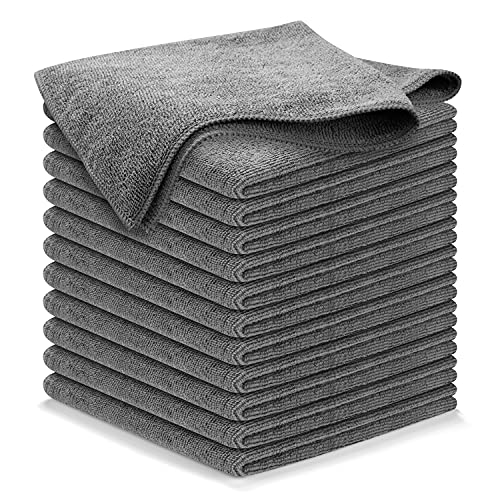
- Microfiber cloths for marble cleaning
- Marble polishing powder kit
- Penetrating sealer for marble countertop


Before You Start
Prep the area by removing all items from the countertop or surface. Clean with a soft, damp microfiber cloth to remove loose dust. Work in a well-ventilated area. Time estimates vary by stain severity: light cleaning 30–60 minutes; deeper poultice treatments may require several hours or overnight drying. Important cautions include avoiding acidic or abrasive cleaners, which can permanently damage marble, and testing any new product on a small inconspicuous spot first to verify colorfastness.
Step-By-Step: How To Clean Yellowed Marble
- Assess the stain: determine whether yellowing comes from oil, mineral deposits, or organic material to choose the right poultice.
- Prepare a poultice: mix the marble poultice cleaner kit for yellow stains or marble stain remover powder poultice kit according to label directions to a thick, paste-like consistency.
- Apply the poultice: spread a thick layer over the stained area, extending beyond the stain by about 1 inch. Do not overfill joints or seams.
- Cover and let dry: place plastic wrap over the paste and allow it to dry fully, typically 6–24 hours, creating a seal that draws out embedded contaminants.
- Remove and inspect: lift the plastic and wipe away the poultice with a damp microfiber cloth. Rinse the surface with clean water and dry with a soft towel.
- Repeat as needed: for persistent stains, reapply a fresh layer and allow more drying time. Do not exceed recommended cycles to avoid over-wetting the stone.
- Polish lightly: once the stain is reduced, use the marble polishing powder kit with a clean, soft pad or cloth. Buff in small circular motions to restore sheen without creating micro-scratches.
- Seal the surface: after cleaning and polishing, apply a penetrating sealer for marble countertop according to the manufacturer’s instructions to enhance stain resistance.
- Regular maintenance: use microfiber cloths and a pH-balanced marble cleaner for routine cleaning. Wipe spills promptly to minimize staining opportunities.
- Spot-test cleaners: always test cleaners on a hidden area first, especially when dealing with vintage or highly natural stone with unique veining.
- Schedule periodic sealing: re-seal every 1–3 years depending on usage and sealer type to maintain barrier strength.
Troubleshooting
| Symptom | Likely Cause | Fix | Prevention |
|---|---|---|---|
| Yellowing returns after cleaning | Persistent oil or HVAC deposits | Reapply a fresh poultice; consider ongoing sealing | Wipe spills immediately; use mats near kitchen sinks |
| Streaks after polishing | Residual poultice or improper buffing | Wipe with damp microfiber cloth, re-buff lightly | Use clean pads; avoid over-buffing |
| Etching or dull spots | Acidic cleaners or abrasive pads | Stop using those products; switch to pH-balanced cleaners | Always test on a hidden area |
| Sealer failure or streaks | Improper application or incompatible sealer | Reapply sealer per instructions, ensure product compatibility | Read labels; apply in controlled conditions |
Common Mistakes
- Using acidic cleaners like vinegar or citrus on marble
- Rubbing with rough pads that scratch the surface
- Skipping a test patch before full application
- Over-wetting marble during poultice treatments
- Neglecting to reseal after cleaning and polishing
Tips For Best Results
- Choose a marble-specific poultice kit designed for yellow stains to maximize stain extraction.
- Maintain a regular cleaning routine with microfiber cloths to reduce buildup.
- Control daily exposure to oils and foods by using coasters and trivets.
- Seal after every major cleaning or polishing session to reinforce stain resistance.
- Keep the surface dry between cleanings to prevent water spots and mineral deposits.
Call A Professional
Consider contacting a professional if stains are deeply set, the marble shows multiple etch marks, or the surface is heavily damaged. Signs to seek expert help include persistent yellowing despite poultice treatments, or if the stone has porous or reactive veining that may require specialized care or professional-grade products.
FAQ
Can I use household cleaners on marble?
Avoid household cleaners that contain acids or ammonia; use products labeled safe for marble and pH-balanced formulas.
How often should marble be resealed?
Typically every 1–3 years, depending on usage, porosity, and sealer type.
Will polishing powder restore a dull finish?
Yes, when used with proper technique and a soft applicator, it can restore shine without scratching.
Is it safe to DIY all stains on marble?
Most common stains respond to poultice treatments, but some stains require professional assessment.
Buying Guide
When selecting products for yellowed marble, consider size and coverage needs, the sealant’s durability, and compatibility with existing finishes. Compare the following perspectives:
- Size and coverage: choose poultice kits suitable for the surface area and expected stain severity.
- Noise level: not applicable for stone care; focus on ease of use and smell if using sealers or solvents in confined spaces.
- Energy efficiency: not a factor in cleaning; prioritize product effectiveness and safety.
- Controls: opt for clear instructions, dry-mix versus pre-mixed formulations, and visible drying times.
- Placement: ensure the storage area is cool, dry, and out of reach of children and pets; keep sealers away from heat sources.
- Material compatibility: verify that the marble polishing powder kit and sealer are designed for natural stone and not synthetic surfaces.
With the right combination of poultice cleaners, polishing powders, microfiber cloths, and a penetrating sealer, yellow stains on marble can be effectively treated while maintaining the stone’s natural beauty. Is your marble ready for a professional-grade refresh, or would a careful DIY routine fit your schedule and home better?