Corroded aluminum can lose its luster and, if not cared for properly, may worsen over time. This guide provides practical, step-by-step instructions using common consumer products to restore aluminum surfaces—from cookware to patio furniture—without damaging the metal. The methods emphasize safety and material compatibility to help homeowners achieve durable results.
Quick Answer
Opt for a gentle approach first: start with mild cleaners and soft scrubbing, then progress to specialized products if stains persist. For stubborn corrosion, consider a dedicated aluminum corrosion cleaner spray or oxide remover gel, and finish with a polish to restore shine.
What You’ll Need
- Soft microfiber cloths and non-scratch sponges
- Warm water and mild dish soap
- Aluminum corrosion cleaner spray for tough spots
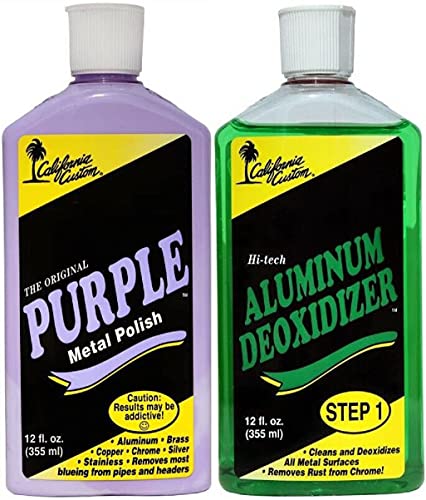
- Aluminum oxide remover gel for oxidation buildup
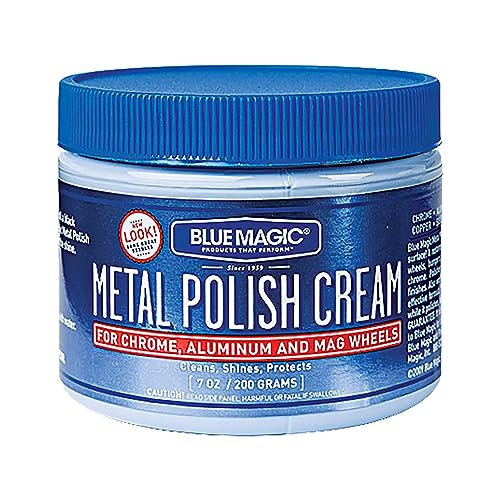
- Aluminum tarnish remover polish to restore shine
- Aluminum rust stain remover spray for rust-colored stains
- Aluminum cleaning kit corrosion prevention for ongoing protection

Before You Start
Protect surrounding surfaces with masking tape or a drop cloth. Work in a well-ventilated area if using spray products. Put on gloves to reduce skin irritation and eye protection if spraying chemicals. Test any cleaner on an inconspicuous area first to confirm compatibility with your specific aluminum surface. Expect a time range of 15–60 minutes depending on the severity of corrosion.
Critical cautions: Avoid highly abrasive tools that can scratch aluminum. Do not mix cleaners with bleach or ammonia. Rinse thoroughly after each cleaning step to prevent residue buildup that can cause further oxidation.
Step-By-Step: How To Clean Corroded Aluminum
- Rinse the surface with warm water to remove loose dirt and debris.
- Prepare a mild soap solution and wipe the area with a soft cloth to assess initial cleanliness.
- For light tarnish, apply aluminum tarnish remover polish following the product directions and buff gently with a clean cloth.
- For oxidation-heavy spots, apply aluminum oxide remover gel and allow it to sit as recommended, then scrub with a non-scratch sponge.
- If corrosion is stubborn or flaky, use the aluminum corrosion cleaner spray on a small area first, then rinse and repeat as needed.
- For rust-like stains, apply aluminum rust stain remover spray, let it work briefly, and rinse thoroughly.
- Rinse completely to remove all cleaner residues, then dry with a lint-free cloth to prevent water spots.
- Inspect for remaining discoloration. If needed, repeat the appropriate cleaner step, then proceed to polishing.
- Apply a light coat of aluminum cleaning kit corrosion prevention or a compatible protective sealant to deter future oxidation.
- Allow the surface to cure as directed on the product label before use or exposure to moisture.
- Schedule periodic maintenance with mild cleaners to prevent buildup and extend the aluminum’s life.
- Store leftover products securely and label containers for safe re-use.
Troubleshooting
| Symptom | Likely Cause | Fix | Prevention |
|---|---|---|---|
| Persistent dark patches after cleaning | Heavy oxidation or embedded stains | Repeat with aluminum oxide remover gel and buff softly | Regular cleaning; avoid prolonged moisture |
| Scratches appearing after polishing | Using abrasive tools | Switch to non-scratch pads and gentler polish | Use protective sealants; gentle cleaning only |
| Rings or water spots after rinsing | Tap water minerals | Rinse with distilled water; dry thoroughly | Dry surfaces promptly after cleaning |
| Discoloration returns within weeks | Inadequate protective coating | Reapply aluminum cleaning kit corrosion prevention | Follow maintenance schedule after cleaning |
Common Mistakes
- Using abrasive pads that scratch the aluminum surface
- Mixing cleaners or using bleach on aluminum
- Skipping a full rinse and leaving cleaner residues behind
- Over-treating metal with harsh chemicals that irritate the finish
Careful product selection and gentle techniques help preserve the metal’s integrity while restoring appearance.
Tips For Best Results
- Test any cleaner on a small, inconspicuous area before wider application.
- Work in the direction of the grain or contour to minimize streaks and scratches.
- Use aluminum tarnish remover polish in a circular motion for even shine, then buff with a clean microfiber cloth.
- Choose a protective finish from the aluminum cleaning kit corrosion prevention line to extend the result.
- Coordinate cleaning with weather: dry days help avoid rapid re-oxidation from moisture.
Call A Professional
If corrosion has penetrated deeper than surface oxidation, or the aluminum is a critical structural component, consult a professional. Stop cleaning and seek expert help if you notice: deep pitting, cracking, or flaking metal, or if unauthorized chemical reactions occur. For vintage or valuable items, professional refinishing can prevent permanent damage.
FAQ
Can I reuse leftovers from aluminum cleaners?
Yes, store in a labeled container and follow safety guidelines for future use.
Will cleaning damage anodized aluminum?
Most mild cleaners are safe; always test on a hidden area and avoid abrasive tools on anodized finishes.
How do I prevent future corrosion?
Apply a protective sealant after cleaning and perform regular, gentle cleanings to prevent buildup.
Is it safe to use household vinegar or lemon juice?
These may work for light tarnish but are not recommended for heavy corrosion or sensitive finishes; use dedicated aluminum products when possible.
Buying Guide
Choosing the right cleaning products helps ensure effective results without damaging aluminum surfaces. Consider the following factors:
- Size and coverage: For small items like cookware, a spray bottle or gel may be more convenient; for larger surfaces, consider a kit that includes multiple applicators.
- Effectiveness vs. gentleness: Light tarnish can respond to polish; heavy oxidation may require a dedicated corrosion cleaner spray or oxide remover gel.
- Controls and application: Sprays offer quick coverage; gels allow careful, spot cleaning. Choose based on surface geometry and user comfort.
- Energy and water use: Smaller, targeted products typically use less water and energy than large-scale industrial cleaners.
- Surface compatibility: Confirm that the product is suitable for the specific aluminum alloy and any coatings or anodizing present.
- Placement and storage: Store cleaners in a cool, dry place away from children and pets; ensure lids are secure to prevent leaks.
When in doubt, stick with a reputable aluminum cleaning kit that combines corrosion prevention with cleaning steps for ongoing protection. A measured approach, using the right tools, yields durable shine without compromising the metal.