Fake brass, often used for decorative hardware, fixtures, and costume jewelry, can tarnish or dull over time. Proper cleaning removes grime without damaging finishes or coatings. This guide provides practical, step-by-step methods suitable for common fake brass items found in American homes.
Quick Answer
For best results, start with a gentle approach using a soft brush and microfiber cloth. If tarnish remains, apply a non-abrasive brass polish with applicator pads. Avoid harsh abrasives or ammonia-based cleaners on sensitive finishes.
What You’ll Need
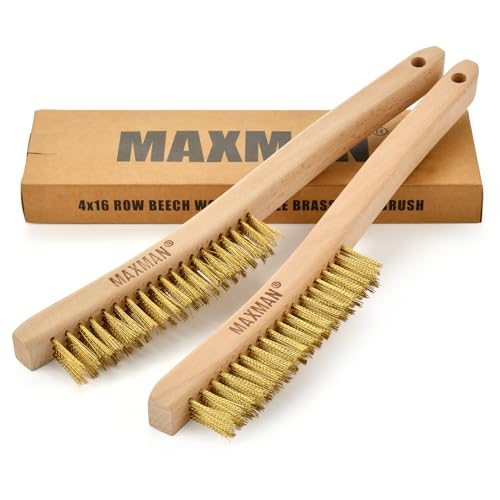
- Soft bristle brass cleaning brush
- Brass polishing cloth kit
- Microfiber cleaning cloth for brass
- Brass jewelry cleaning kit
- Non-abrasive brass polish with applicator pads


Before You Start
Inspect the item for finishes, coatings, or patinas. Some decorative brass pieces are intentionally aged or coated to prevent tarnish. Test any cleaner on a hidden area first and follow the manufacturer’s care instructions if available. Work in a well-lit area and lay down a soft pad to protect surfaces. Plan for a 15–30 minute cleaning session, depending on tarnish level.
Step-By-Step: How To Clean Fake Brass
- Remove any loose dust with a dry microfiber cloth to prevent scratching.
- Gently scrub with a soft bristle brass cleaning brush in circular motions, focusing on crevices.
- Wipe away loosened grime with a clean microfiber cloth, checking for remaining tarnish.
- Apply a small amount of non-abrasive brass polish to an applicator pad or polishing cloth.
- Buff the surface in light, circular strokes until the brass regains shine, avoiding excess pressure.
- If the item is heavily tarnished, repeat polishing in thin layers, allowing the surface to cool between passes.
- For intricate details, use a soft-bristle brush dampened with polish to reach tight corners.
- Wipe off any residue with a fresh microfiber cloth and inspect for even finish.
- Polish any matching brass components separately to maintain uniform appearance.
- Apply a light, protective buff with a dry cloth to seal the shine and reduce immediate tarnish.
- Store items away from humidity and direct sunlight to slow future tarnish.
- Regular upkeep: dust weekly and clean every few months or as needed.
Troubleshooting
| Symptom | Likely Cause | Fix | Prevention |
|---|---|---|---|
| Dull, cloudy finish after cleaning | Residual cleaner or polishing compound | Wipe with a clean microfiber cloth and re-polish with minimal product | Use small amounts of polish and wipe clean |
| Scratches appear after cleaning | Use of abrasive materials or harsh scrubbing | Switch to soft brushes and gentle motions | Avoid abrasive cleaners on faux brass |
| Patches of tarnish return quickly | High humidity or sweat exposure | Polish lightly and dry thoroughly | Keep in dry areas; use protective coating if recommended |
| Finishes rubbing off on skin | Over-cleaning or aggressive polish | Stop using polish; consult manufacturer care guide | Use minimal product and test first |
Common Mistakes
- Using abrasive pads or steel wool on faux brass finishes
- Over-applying cleaner or polish, leading to buildup
- Cleaning coated or patinated pieces without verifying care instructions
- Ignoring hidden screws or joints where tarnish hides
Sticking to gentle methods minimizes risk and preserves color and coating integrity.
Tips For Best Results
- Choose a non-abrasive polish designed for brass to avoid scratching delicate surfaces.
- Test cleaners in an inconspicuous spot before full application.
- Dust regularly to prevent buildup that requires heavier cleaning.
- Use separate cloths and brushes for cleaning and polishing to prevent cross-contamination.
- Keep items dry after cleaning to slow tarnish between maintenance sessions.
Call A Professional
Seek professional help if the piece is valuable, heavily tarnished, or if the item has visible damage, cracking, or a questionable coating. If cleaning would void a warranty or there is uncertainty about finish compatibility, contact a hardware or jewelry expert for guidance.
FAQ
Is it safe to use a metal polish on faux brass?
Yes, but choose a non-abrasive, product-specific brass polish and follow directions carefully.
Can I use lemon juice or vinegar on fake brass?
Acidic cleaners can damage coatings; it’s best to avoid them unless the manufacturer approves.
How often should I clean faux brass items?
Dust regularly and perform a light cleaning every few months, or sooner if tarnish appears.
What should I do about patina or intentional aging?
Respect any patina finishes; if unsure, consult the care instructions or a professional.
Buying Guide
When selecting cleaning tools and products for fake brass, consider size, finish, and usage context. For household hardware, a gentle approach with a soft brush and microfiber cloth often suffices. If you have multiple items, a brass jewelry cleaning kit can provide a versatile set of brushes and pads. Pay attention to the item’s coating and test cleaners first to prevent damage. In spaces with high humidity, consider a light protective finish after cleaning to prolong shine. If you’re cleaning larger decorative pieces, ensure you have a comfortable grip and adequate working space to reach all surfaces.
Buying Factors To Consider
- Finish compatibility: Ensure cleaners suit coated or patinated surfaces and won’t remove finishes.
- Gentle vs. aggressive tools: Opt for soft bristle brushes and microfiber cloths for delicate items.
- Polish type: Choose non-abrasive brass polish with applicator pads to control application.
- Surface access: For intricate pieces, look for polishing tools that reach tight corners.
- Maintenance needs: Regular dusting reduces heavy cleanings and extends shine.
With the right approach, fake brass items can maintain their bright appearance without risking damage. Ready to tackle tarnish confidently with the right kit and careful technique?