Loofahs are popular for exfoliating skin, but keeping them clean is essential to prevent bacteria buildup. This guide explains practical, bleach-free methods to sanitize and refresh your loofah while outlining safe steps for American households. By following a structured approach, you can extend the life of your loofah and keep bath routines hygienic.
Quick Answer
For a quick, effective clean without bleach, rinse the loofah after use, then soak it in hot water with a small amount of mild soap for 5–10 minutes. Rinse thoroughly, squeeze out excess water, and air-dry completely. For tougher sanitation, use a silicone scrubber or dish brush to assist with surface cleaning, then air dry in a well-ventilated area.
What You’ll Need
- Silicone loofah scrubber for cleaning bath sponges
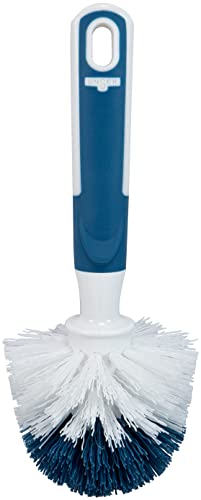
- Soft bristle dish brush for loofah cleaning
- Bath sponge cleaner silicone scrubber
- Loofah cleaning tool silicone brush
- Handheld nylon bristle scrub brush for loofahs


Before You Start
Prepare a clean workspace and gather tools before starting. Use hot tap water safe for plastics and silicone, and avoid boiling water that could damage delicate loofahs. Always check product care labels for any cautions. Plan a 10–20 minute routine per loofah. If you notice mold or a persistent odor, replace the loofah rather than attempting prolonged cleaning.
Step-By-Step: How To Clean A Loofah Without Bleach
- Remove the loofah from the bath or shower and inspect it for visible mold, odors, or tears.
- Rinse the loofah under warm running water to loosen soap residues and skin oils.
- Fill a basin with hot water and add a small amount of mild, unscented soap or a dedicated loofah cleaner. Submerge the loofah completely.
- Use a soft bristle dish brush or silicone scrubber to gently agitate the loofah’s surface, loosening trapped debris.
- Let the loofah soak for 5–10 minutes; for stubborn buildup, rub with the silicone brush or scrubber while soaked.
- Rinse thoroughly under hot water, squeezing gently to remove soap and loosened grime.
- For extra sanitation, rinse again and place the loofah in a ventilated area to air dry completely. Do not store in a closed, damp cabinet.
- Periodic deep clean: repeat the soak and rinse steps weekly or whenever you notice odor or reduced exfoliating performance.
- Alternative sanitation: use a silicone scrubber to rub the loofah’s surface, then rinse and dry as usual.
- Disinfect without bleach: after cleaning, you can rinse with a cup of distilled white vinegar diluted in water and rinse again, then air dry.
- If mold appears or odor returns persistently, replace the loofah promptly and sanitize surrounding shower surfaces to prevent regrowth.
Troubleshooting
| Symptom | Likely Cause | Fix | Prevention |
|---|---|---|---|
| Persistent musty smell | Moist environment and trapped moisture | Thorough drying after each use; weekly deep clean as above | Keep loofah in a dry, well-ventilated area |
| Visible mold spots | Late replacement or prolonged damp storage | Replace loofah; sanitize surrounding area | Replace every 2–3 months depending on usage |
| Stiff or compact texture | Product buildup | Soak longer, use silicone brush to loosen | Rinse promptly after use |
| Damaged fibers | Excessive scrubbing or aging | Replace | Gentle cleaning and gentle handling |
Common Mistakes
- Using hot water that’s too hot for the loofah material
- Storing damp in a closed cabinet or pouch
- Relying on bleach or harsh cleaners on porous loofahs
- Ignoring visible signs of mold or odor and continuing use
- Not replacing loofahs regularly, especially for sensitive skin users
Tips For Best Results
- Pair loofah cleaning with a silicone scrubber to reduce friction and make debris removal easier.
- After cleaning, wring out as much water as possible and place loofahs on a rack or hung in a sunny, ventilated area.
- Use a dedicated loofah cleaner or mild soap to avoid residue buildup that can harbor bacteria.
- Consider rotating between two loofahs to allow one to dry completely between uses.
- Inspect loofahs monthly for signs of wear and replace promptly to maintain hygiene.
Call A Professional
Cleaning methods described here are generally safe for most household loofahs. If the loofah is heavily moldy, chemically damaged, or if there is a persistent odor that won’t go away after cleaning, consider contacting a professional for guidance or replace the loofah. Seek professional advice if skin irritation develops after use or cleaning.
FAQ
Can I use vinegar to sanitize my loofah?
Yes, a diluted vinegar rinse can help disinfect after cleaning. Rinse thoroughly with water afterward and allow to dry completely.
How often should I replace my loofah?
Most users replace loofahs every 2–3 months, or sooner if signs of mold, odor, or wear appear.
Is bleach safe to use on loofahs?
No. Bleach can degrade the material and may be harsh on skin. Avoid bleach and stick to milder, soap-based cleaning methods.
What’s the best way to dry a loofah?
Air dry in a well-ventilated area, preferably away from the shower floor where moisture collects. Avoid leaving it damp in a closed container.
Buying Guide
When choosing a loofah cleaning setup, consider size, materials, and how you plan to scrub. A silicone-friendly toolkit can help with quick sanitation and surface cleaning. Look for flexible silicone brushes that reach into the loofah’s pores, and lightweight nylon or soft-bristle brushes that won’t damage delicate fibers. Noise level and energy use are not critical for this task, but a compact, easy-to-clean system makes maintenance simpler. Choose a setup that fits your bathroom space and routine, with convenient storage for drying between uses. If you share a bathroom, consider a hanging rack or vented storage to promote fast drying and reduce odor buildup.