Regular carpet cleaning using a vacuum helps extend fiber life, reduce allergens, and maintain a fresh appearance in homes. This guide covers practical steps, from choosing the right equipment to tackling stubborn spots, so American households can keep carpets looking and feeling clean with ease.
Whether you have pets, high-traffic areas, or delicate fibers, a thoughtful vacuuming routine combined with targeted cleaning methods can prevent dirt from settling deep into the pile. The following sections outline a practical approach, including essential tools, safety tips, step-by-step instructions, and troubleshooting advice.
Quick Answer
To clean carpet effectively: vacuum regularly with a model that features strong suction and appropriate attachments, use a carpet cleaner machine for deep cleaning periodically, and treat spots promptly with a handheld cleaner designed for carpet care. Replace filters as needed and follow manufacturer guidelines for maintenance.
What You’ll Need
- upright vacuum cleaner with HEPA filter and pet hair tool
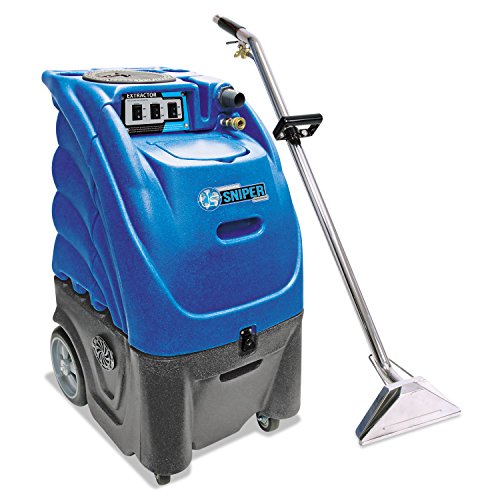
- carpet cleaner machine with dual tank system
- portable handheld carpet cleaner for spot stains
- carpet shampooer with solution tank
- stair cleaning attachment kit for vacuum cleaner


Before You Start
Clear furniture and secure valuables from the cleaning area. Vacuum top-to-bottom to remove loose debris before any damp cleaning. Check carpet fiber type and label to confirm compatible cleaning methods. Keep pets and children off the area during cleaning and ensure proper ventilation. Allocate about 30–60 minutes for light sessions and up to several hours for thorough deep cleaning, depending on area size.
Step-By-Step: How To Clean Carpet With Vacuum And Add Deep Cleaning If Needed
- Inspect the carpet for stains and consult the carpet cleaner’s label for recommended methods.
- Prepare the vacuum by emptying the dust canister or bag and cleaning the brush roll if accessible.
- Vacuum in multiple directions—horizontal, vertical, and diagonal—to lift embedded dirt.
- Use the stair cleaning attachment kit or other specialized tools to reach corners, edges, and stairs.
- For high-traffic or rug areas, run a carpet cleaner machine with dual tank system following the included dilution and extraction steps.
- Spot-treat persistent stains with a portable handheld carpet cleaner or a carpet shampooer with solution tank, then blot with a clean towel.
- Allow the carpet to dry completely before foot traffic; speed up drying with fans or increased airflow.
- Finish with a final vacuum to lift flattened fibers after drying for a refreshed look.
Troubleshooting
| Symptom | Likely Cause | Fix | Prevention |
|---|---|---|---|
| Suction feels weak | Clogged nozzle or full bag/cilter | Clean filters, empty dust canister, and check for blockages | Regular maintenance schedule |
| Water left on carpet after cleaning | Excess solution or insufficient extraction | Use proper dilution and thorough extraction passes | Follow dual-tank guidance and limit solution amount |
| Streaks or residue | Using the wrong cleaner or residue buildup | Rinse with clean water or use recommended cleaning formula | Test small area first |
| Noise or grinding | Brush roll jam or belt wear | Inspect and replace worn parts | Regular belt and brush maintenance |
Common Mistakes
- Over-wetting carpet, which prolongs drying time and can cause mold.
- Using incorrect cleaners that leave residues or damage fibers.
- Skipping pre-vacuum preparation, which reduces overall cleaning effectiveness.
- Neglecting to clean attachments after use, leading to poor performance later.
Tips For Best Results
- Schedule deep cleaning every 6–12 months, depending on traffic and pets.
- Maintain a regular vacuuming routine for daily dirt control.
- Use the appropriate attachment for high-traffic zones, stairs, and edges.
- Inspect filters monthly and replace or wash per manufacturer directions.
- Test any cleaning method on a hidden area first to avoid color bleed or damage.
Call A Professional
Seek professional help if carpet fibers appear damaged, if extensive water damage or mold is suspected, or if you encounter persistent staining that requires specialized equipment or chemical treatments beyond home usage. Stop cleaning and consult a pro if there is significant swelling, unusual odors, or ongoing dampness after attempts to dry.
FAQ
Can I use a regular vacuum for carpet cleaning?
A regular vacuum is essential for daily maintenance, but for deep cleaning and stain removal, a dedicated carpet cleaner or shampooer may be necessary.
What is the benefit of a dual tank carpet cleaner?
Dual tanks separate clean solution from dirty water, improving cleaning efficiency and reducing recontamination of the area.
How often should I vacuum high-traffic carpet?
Vacuum high-traffic areas daily or every 2–3 days to prevent dirt from embedding in fibers.
Are HEPA filters important for carpet cleaning?
HEPA filters help trap fine dust and allergens, promoting cleaner indoor air, especially in homes with pets or allergy-prone individuals.
How long does it take for carpet to dry after deep cleaning?
Drying times vary by humidity and airflow; expect several hours and ensure good ventilation for quicker drying.
Is it okay to use hot water with carpet cleaners?
Follow the manufacturer’s guidance; some cleaners require warm water, while others advise cool or lukewarm water for safe operation.
Buying Guide
When selecting equipment for cleaning carpet with vacuum and deep cleaning capabilities, consider size, noise, energy use, controls, and placement. A compact upright model is convenient for apartments, while a larger upright with a HEPA filter suits multi-room homes. Look for:
- <bSize and weight—ensure it’s manageable for stairs and storage.
- Noise level—balanced power without excessive sound during use.
- Energy efficiency—models with efficient motors and insulated components.
- Controls—easy-to-use switches, indicator lights for empty tanks or filters.
- <bPlacement—cord length and storage design for convenient setup in living areas.
- <bAttachments—a complete kit including pet hair tool, stair attachment, and handheld cleaner for spot stains.
- <bMaintenance—availability of filters, replacement parts, and cleaning solution compatibility.
- <bCleaning versatility—dual-tank systems and carpet shampoo options for thorough care.
Users may weigh a carpet cleaner with dual tank and a portable handheld option to handle spot stains between deep cleans. For homes with stairs or multi-level layouts, a stair cleaning attachment kit can improve reach and efficiency. Consider test-driving models if possible to evaluate suction, ease of use, and storage needs.