Pavers add curb appeal and durability to paths, patios, and walkways. Over time, dirt, algae, and tough stains can dull their appearance. This guide offers practical steps and equipment recommendations to clean pavers efficiently while protecting the surface and surrounding materials.
By following proven methods and selecting the right tools, homeowners can restore color and texture without damage. The process scales from small residential patios to larger walkways, with easy-to-adapt steps and safety tips for DIY projects.
Quick Answer
For most paver cleaning tasks, start with a stiff bristle brush and a paver-safe cleaner, then use a pressure washer with a rotary surface cleaner for stubborn stains. A nozzle with adjustable spray helps control pressure, while a masonry scrub brush aids deep grouting lines. Always test a small area first and work from the outside edges toward the center to avoid pushing debris into joints.
What You’ll Need
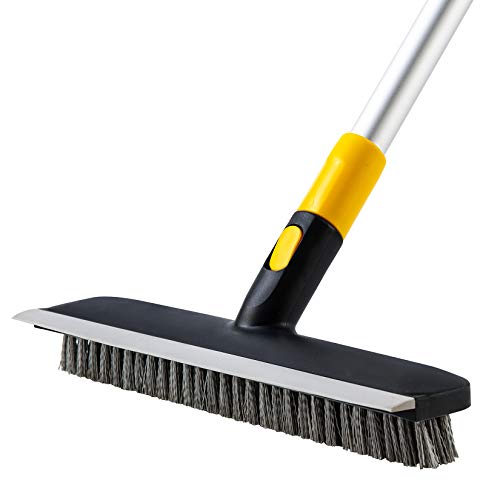
- Stiff bristle patio brush for pavers
- Rotary surface cleaner for concrete and pavers
- Pressure washer for pavers 2000 psi
- Adjustable spray nozzle for pressure washer
- Masonry scrub brush with long handle
- Specialized paver cleaner or a mild detergent ecosystem


Before You Start
Inspect the area for loose or damaged pavers and repair any loose edges before cleaning. Remove planters, furniture, and decorative accents to ensure full access. Wet the surrounding foliage to protect plants from runoff. Test cleaning products on a hidden area to check colorfastness. Time estimates vary; a typical patio cleaning can take 1–3 hours depending on size and stain severity. Avoid using highly caustic cleaners or harsh acids, which can etch joints or discolor pavers.
Step-By-Step: How To Clean Pavers
- Clear the area and sweeping debris from joints to minimize grit during washing.
- Rinse with a garden hose to pre-wet the surface and help loosen surface grime.
- Apply a mild cleaner or detergent formulated for pavers; follow label directions for dilution and contact time.
- Use the stiff bristle patio brush for pavers to scrub tiles and grout lines, focusing on embedded dirt.
- For tougher stains, employ the masonry scrub brush with long handle or the rotary surface cleaner for concrete and pavers to avoid spray directly on joints.
- Attach the adjustable spray nozzle for pressure washer and set a moderate pressure to avoid lifting sand from joints; test on a small area first.
- Clean in even, overlapping passes, moving from the outer edges toward the center to prevent streaking.
- Rinse thoroughly with the pressure washer, ensuring runoff is directed away from plants and into appropriate drainage.
- Allow the surface to dry completely, then inspect for any remaining stains and repeat if necessary.
- Re-sand joints if necessary after cleaning and drying to restore stability and color uniformity.
- Optionally seal the pavers after drying to reduce future staining and simplify maintenance.
Troubleshooting
| Symptom | Likely Cause | Fix | Prevention |
|---|---|---|---|
| Streaks after washing | Inconsistent cleaning or drying | Rinse area, re-scrub with stiff brush, re-wash | Maintain consistent passes; dry with a towel if needed |
| Bleeding color from pavers | Incomplete rinsing or worn sealer | Rinse thoroughly; consider reapplying sealer if color fades | Test cleaner first; follow sealer manufacturer directions |
| Sand in joints | Joint sand washed out during cleaning | Re-sand joints after surface is dry | Protect joints during cleaning; use a mist setting near joints |
| Algae or mold returns quickly | Moist shade; organic debris | Use a cleaner with mildew inhibitors; consider routine maintenance | Increase sunlight exposure or trim shading |
Common Mistakes
- Using excessive pressure that dislodges joint sand or cracks pavers
- Using metal brushes that scratch or gouge the surface
- Applying strong acids or bleach directly on joint sand
- Neglecting to rinse off cleaning solutions, which can leave residues
- Cleaning after rain without allowing surfaces to dry, which can trap moisture
Tips For Best Results
Work on cooler days to prevent rapid drying that can leave streaks. Pre-wet surrounding plants and use a spray shield to minimize chemical exposure. For larger areas, a rotary surface cleaner for concrete and pavers speeds up cleaning and reduces splash. Maintain paver joint stability by re-sanding after cleaning when necessary. Consider sealing after thorough drying to help repel stains and reduce ongoing maintenance.
Call A Professional
Call a professional if pavers are severely stained, penetrated by oil or rust, or if there are widespread cracks or loose stones. Signs to seek help include persistent shifting, efflorescence, or efflorescence-like white deposits that persist after cleaning. Complex sealing or color restoration may require specialized equipment and products beyond typical DIY methods.
FAQ
What is the best sequence for cleaning pavers?
Begin with loose debris removal, pre-wet the area, apply a mild cleaner, scrub with a stiff brush, rinse with adjustable spray pressure, and re-sand/seal if needed.
Can I use a pressure washer to clean pavers?
Yes, with caution. Use moderate pressure and a rotary surface cleaner to prevent damage and ensure even cleaning.
Do I need to seal pavers after cleaning?
Sealing is optional but recommended for stain resistance and easier maintenance once surfaces are fully dry.
How often should I clean pavers?
Frequency depends on location and exposure; patios in shade or with trees may require more frequent cleaning, while driveways may need annual maintenance.
What should I do about joints that have lost sand?
Re-sand after cleaning once the surface is dry to restore stability and appearance.
Are there cleaners I should avoid?
Avoid strong acids, lye-based cleaners, and chlorine bleach directly on joints or sealed surfaces unless the product specifies compatibility.
Can I clean pavers with vinegar?
Vinegar can be effective for mineral deposits but may not remove heavy stains; test on a small area first and use as part of a diluted solution if appropriate.
Buying Guide
Choosing the right tools and accessories for cleaning pavers involves considering size, efficiency, and care requirements. Below are key factors to help make an informed choice.
Size And Coverage
For small patios, a standard pressure washer for pavers 2000 psi with a rotary surface cleaner can cover typical surfaces efficiently. Larger areas may benefit from a higher-flow unit paired with a broad cleaning head to reduce cleaning time.
Noise Level
Quiet operation matters for residential settings. Look for machines with lower decibel ratings and built-in flow control to reduce noise during use.
Energy And Water Efficiency
Choose equipment with efficient water flow and adjustable spray settings to minimize water usage while maintaining cleaning performance. Rotary cleaners can reduce surface resistance and speed up work without extra water consumption.
Controls And Attachments
Seek a pressure washer with an adjustable spray nozzle for precise control and a reliable trigger gun. Accessories like a masonry scrub brush with long handle and a stiff bristle patio brush help reach joints and tight gaps.
Placement And Storage
Consider compact, upright storage options for pressure washers and accessory organizers for brushes and heads. If space is limited, prioritize multi-use tools like a surface cleaner and a long-handle scrub brush for versatility.
Brand And Support
Choose reputable brands with readily available replacement parts and customer support. Reading reviews about durability and maintenance can help ensure long-term value.