Cleaning a carpet pad without lifting the carpet is a practical way to refresh a room without a full deconstruction. By targeting the pad directly, you can remove odors, dirt, and moisture that can silently affect indoor air quality. This guide outlines safe, effective methods using common tools and products available in American homes.
The following steps balance convenience with care for both the carpet and the pad underneath. Readers will find a practical workflow, from preparation to touch-ups, plus troubleshooting tips and when to call a professional for stubborn cases.
Quick Answer
Use a handheld steam cleaner or upright carpet cleaner with pad cleaning mode to inject moisture and suction at the pad level. Pair with an enzymatic cleaning solution for pads and a rug pad cleaning brush scrubber for stubborn spots. Finish with a deodorizing treatment and ensure thorough drying to prevent mold growth.
What You’ll Need
- Handheld steam cleaner for carpet pad
- Carpet extractor wand attachment
- Upright carpet cleaner with pad cleaning mode
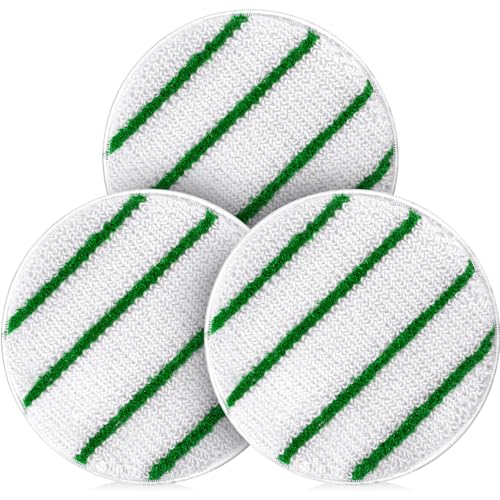
- Rug pad cleaning brush scrubber
- Enzymatic carpet cleaning solution for pads


Before You Start
Clear the area of furniture and loose items. Vacuum the carpet surface to remove loose hairs and debris before treating the pad. Test any cleaning solution on a small inconspicuous area of the carpet and pad to check for colorfastness. Plan for a longer drying time and place fans or dehumidifiers if possible. Do not saturate the pad excessively, as over-wetting can lead to mold growth and odors.
Time estimate: 30–90 minutes for cleaning and initial drying, with full drying potentially extending to several hours depending on room airflow.
Step-By-Step: How To Clean A Carpet Pad Without Removing The Carpet
- Vacuum the carpet thoroughly to remove loose dirt from the surface, preparing the area for pad cleaning.
- Apply a light mist of water to the carpet surface to dampen any stubborn spots that may bleed into the pad during cleaning.
- Prepare the enzymatic carpet cleaning solution according to label instructions and apply to targeted areas with the rug pad cleaning brush scrubber.
- Use the handheld steam cleaner to work the solution into the pad area, focusing on high-traffic zones and seems where dirt accumulates.
- Switch to the extractor wand attachment on the upright cleaner to suction away dissolved dirt and moisture from the pad, moving slowly and evenly.
- Rinse lightly with clean water if the cleaner requires it, then resume suction to extract as much moisture as possible.
- Inspect the pad after initial drying to determine if additional cycles are needed for stubborn odor or stains.
- Apply a secondary light pass with a fresh enzymatic solution on persistent spots, repeating the cleaning and extraction steps as needed.
- Allow the area to dry completely; use fans or a dehumidifier if available to speed up the process.
- Once dry, vacuum again to re-fluff the carpet fibers and ensure the pad remains undisturbed and clean.
- Reposition furniture once the pad and carpet are fully dry, checking for any residual dampness before normal use.
Troubleshooting
| Symptom | Likely Cause | Fix | Prevention |
|---|---|---|---|
| Musty odor after cleaning | Pad remained damp | Increase drying time, use fans; re-clean with enzymatic solution | Ensure thorough extraction and airflow |
| Stains reappearing | Deep-set stains in pad | Apply enzymatic cleaner again and allow longer dwell time | Address spills promptly; use protective pad covers |
| Water stains on carpet surface | Over-wetting during cleaning | Blot and extract moisture, avoid saturating pad | Use light mist and slow passes |
| Excessive fiber shedding | Aggressive scrubbing | Gentle scrubbing with brush; reduce cleaning frequency | Regular maintenance cleaning |
Common Mistakes
- Over-wetting the pad, which prolongs drying and invites mold
- Using harsh cleaners that degrade carpet fibers or pad materials
- Rushing the drying process, leading to trapped moisture
- Neglecting test patches, risking color bleed or damage
- Failing to extract thoroughly after cleaning cycles
Tips For Best Results
- Work in small sections to maintain control over moisture and cleaning action
- Choose an enzymatic solution specifically designed for pads to tackle organic stains
- Combine cleaning tools: steam to loosen, brush scrubber to agitate, and extractor to remove
- Dry with air movement: use fans, open doors, or a dehumidifier
- Regular maintenance reduces the need for deep pad cleaning over time
Call A Professional
Contact a pro if:
- The pad or carpet shows widespread mold growth or persistent musty odors after cleaning
- Stains are deeply embedded and resist multiple cleaning cycles
- There is visible warping or damage to the carpet backing or pad
- Water damage or flooding has occurred, raising concerns about moisture intrusion
FAQ
Can I clean the carpet pad without removing the carpet?
Yes, targeted cleaning from the surface using the right tools can refresh the pad while keeping the carpet in place.
What cleaners work best for pads?
Enzymatic carpet cleaning solutions designed for pads are effective for organic stains and odors.
How long does it take for the pad to dry?
Drying times vary; plan for several hours and ensure good airflow for faster results.
Is it safe to use a steam cleaner on carpet pads?
Steam can be effective when used carefully; follow device instructions and avoid over-wetting the pad.
Buying Guide
When choosing tools and products for cleaning a carpet pad without removing the carpet, consider several key factors:
- Pad compatibility: Ensure tools and solutions are suitable for the carpet pad type under the carpet.
- Water control: Look for tools that provide controlled moisture and strong suction to prevent over-wetting.
- Cleaning power: A combination of steam, agitation, and extraction yields the best results for pads.
- Odor management: Enzymatic cleaners help neutralize odors at the pad level.
- Drying support: Equipment that aids rapid drying reduces mold risk and downtime.
- Ease of use: Lightweight handheld tools paired with a capable upright cleaner simplify the process.
Bottom line: choose a setup that balances effective cleaning with safe moisture levels, while fitting the room size and your maintenance routine. If in doubt, consult product manuals or a professional to tailor the approach to your carpet and pad materials. Ready-to-use kits often combine a handheld steam cleaner, a wand attachment, and a brush scrubber for convenient pad cleaning.