Spider mites can quickly damage rose plants, leaving stippled leaves and stunted growth. This guide explains natural, practical methods to reduce and manage spider mite populations on roses without synthetic pesticides. It focuses on everyday garden tools and readily available, consumer-friendly products that are gentle on beneficial insects while still effective.
Quick Answer
Act quickly to interrupt mite life cycles. Combine regular monitoring with a mix of mechanical removal, cultural practices, and natural sprays such as neem oil, insecticidal soap, and water sprays. Rotate products to prevent resistance and target all life stages for best results.
What You’ll Need
The following tools and supplies help you implement a natural, effective control program for spider mites on roses. Each item is chosen to support easy, at-home use.
- 1 gallon pump sprayer for neem oil roses
- adjustable spray nozzle garden hand pump sprayer
- insecticidal soap spray bottle for roses natural pest control
- neem oil concentrate spray bottle for roses
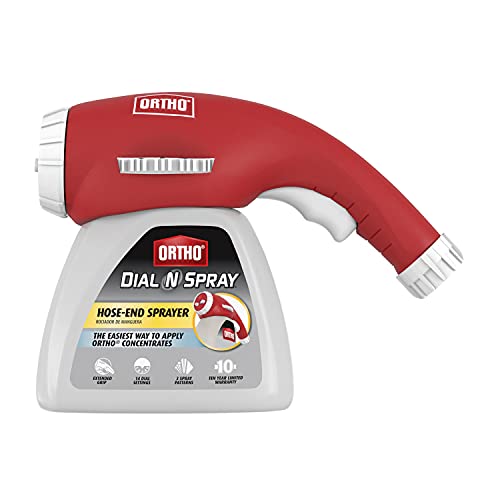
- garden sprayer hose end sprayer for natural pesticides roses


Before You Start
Before beginning treatments, inspect affected plants closely to confirm spider mites as the culprit. Signs include fine webbing, yellowing or bronzing of leaves, and tiny moving specks on the leaf undersides. Safety first—wear protective gloves and avoid applying on windy days to prevent drift to desirable plants. Early morning or late afternoon applications help minimize sunburn on foliage. Estimate time: roughly 30–60 minutes per session, plus drying time between sprays.
Step-By-Step: How To Naturallly Tackle Spider Mites On Roses
- Begin with a thorough water blast to physically dislodge mites from the rose canes and leaves. Use a strong, steady spray from a hose or a sprayer with a fine nozzle.
- Inspect the plant’s undersides after the water rinse. If you still see populations, proceed with a( neem oil-based treatment) as a protective barrier that disrupts mite feeding and reproduction.
- Prepare a neem oil solution according to the product label. Pour into a 1 gallon pump sprayer for even coverage on all leaf surfaces, especially the undersides.
- Apply neem oil in the early morning or late afternoon to reduce plant stress from sun exposure. Ensure coverage extends to new growth where mites often settle.
- Alternate with insecticidal soap every other spray cycle to avoid resistance and target mobile mites. Use a spray bottle designed for roses and apply to both leaf surfaces.
- Focus on the canopy’s interior where mites congregate, using a sweeping motion to reach the undersides of heavily infested leaves.
- Keep the plants well-watered and avoid excessive fertilization, which can encourage soft new growth that mites love. A balanced feeding schedule supports plant resilience.
- Reinforce natural controls by introducing beneficial predators if appropriate in your area, and continue monitoring weekly for new mites or webbing.
- Repeat treatments on a 7–10 day cycle during hot, dry periods when mites reproduce rapidly. Adjust timing based on observed mite activity and weather conditions.
- After each spray, observe for improved leaf color and a reduction in webbing. If mites persist, consider a second neem oil or soap treatment and recheck after 48 hours.
- Document results and adjust your approach if needed, combining cultural practices (cleaning plant clutter, removing heavily infested leaves) with spray treatments.
Troubleshooting
| Symptom | Likely Cause | Fix | Prevention |
|---|---|---|---|
| Leaves remain stippled after a spray | Insufficient coverage or insect growth stage | Reapply with thorough undersides coverage | Regular checks; rotate products |
| Mites return after treatment | Resistant mite population or reinfestation | Alternate neem oil with insecticidal soap; wait 7–10 days before re-treating | Keep plants healthy; remove heavily infested leaves |
| Webbing observed on new growth | Active mite feeding | Increase spray frequency; ensure proper coverage | Hydration and early intervention |
| Leaves yellow or scorch after spray | Overapplication or sun exposure | Switch to cooler hours; use lighter spray | Test spray on a small area first |
Common Mistakes
- Applying sprays at midday when sun is strongest, causing leaf burn
- Overlooking the undersides of leaves where mites hide
- Relying on a single product and not rotating controls
- Ignoring environmental factors like drought or heat, which stress plants and worsen mite damage
Tips For Best Results
- Consistency matters: monitor weekly and treat early to keep populations in check.
- Hit both life stages by using neem oil and insecticidal soap in alternating cycles.
- Target the entire plant, including new growth and the upper canes where mites often reside.
- Water management is crucial—avoid water stress that makes roses more susceptible to pests.
- Keep a spray log to track what works and adjust as seasons change.
Call A Professional
Seek professional help if spider mite infestations are extensive, plants show severe decline, or protective measures fail over multiple treatment cycles. Stop signs include widespread leaf drop, persistent webbing despite multiple sprays, and signs of plant distress that don’t improve with home treatments.
FAQ
What naturally kills spider mites on roses?
Common options include neem oil, insecticidal soap, and regular water sprays. Rotate these products to prevent resistance and ensure coverage on all leaf surfaces.
How often should I treat roses for spider mites?
Treat on a 7–10 day cycle during active seasons, adjusting frequency based on mite activity and weather conditions.
Can I use neem oil and insecticidal soap together?
Yes, but alternate treatments rather than applying both at once to avoid plant stress and ensure effectiveness.
What maintenance steps help prevent mite outbreaks?
Keep plants hydrated, prune for airflow, remove heavily infested leaves, and monitor weekly during warm weather.
Are there beneficial insects that help control spider mites?
Yes, natural predators such as predatory mites can help, but their presence depends on local conditions and should be introduced carefully.
Should I avoid sprays during blooming?
Avoid spraying while roses are in full bloom to protect pollinators; target targeted infested leaves when bees are less active.
Can I use store-bought sprays for roses outdoors?
Choose products labeled for roses and outdoor use, and follow label directions for safe, effective application.
Buying Guide
When selecting products to combat spider mites on roses naturally, consider size, spray mechanism, and compatibility with leaves and stems. A practical setup combines a sturdy spray system, adjustable nozzles, and proven natural actives. Here are key factors to compare:
- Size and capacity: A 1 gallon pump sprayer is convenient for targeted applications on rose bushes of various sizes.
- Delivery method: A garden hand pump sprayer with an adjustable nozzle allows precise coverage, while hose-end sprayers enable quick, broad applications for larger beds.
- Active ingredients: Neem oil concentrates work as a deterrent and growth disruptor; insecticidal soaps provide immediate contact kill; rotate between products to reduce resistance.
- Control and ease of use: Look for ergonomic handles, leak-proof seals, and clear labeling for safe outdoor use.
- Placement and coverage: Ensure your sprayer settings reach undersides of leaves and inner canopies; consider a sprayer with a finer mist option for delicate rose foliage.
- Shelf life and storage: Store away from heat and direct sunlight; check label guidance for storage times after opening.
Are you unsure which combination best fits your rose garden size? Start with a simple system—a 1 gallon pump sprayer for neem oil roses paired with insecticidal soap spray bottles for alternating applications, then expand as needed. Building a routine around regular monitoring, gentle sprays, and proper pruning will typically yield healthier roses with fewer mite issues. Want to compare options side by side? Review product labels and ensure compatible concentrations for outdoor use on roses.