Microfiber cloths are versatile for dusting, wiping, and detailing, but their effectiveness hinges on proper cleaning and maintenance. This guide outlines practical steps to keep microfiber cloths fresh, absorbent, and lint-free for everyday use in American homes.
Quick Answer
Rinse, wash separately, and air dry or low-heat tumble dry to maintain softness. Use a dedicated washing bag and avoid fabric softeners or high heat which can degrade microfiber fibers.
What You’ll Need
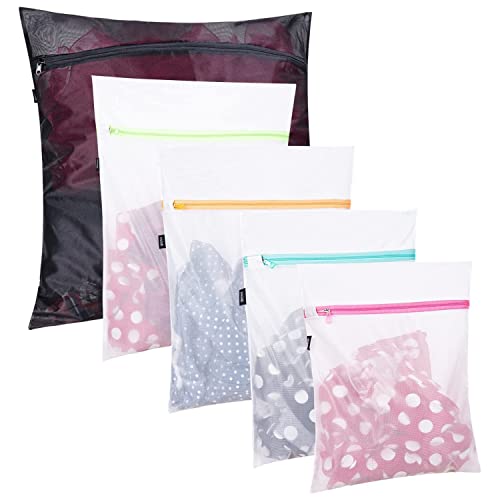
- Microfiber cloth washing bag
- Lint brush for microfiber cloth
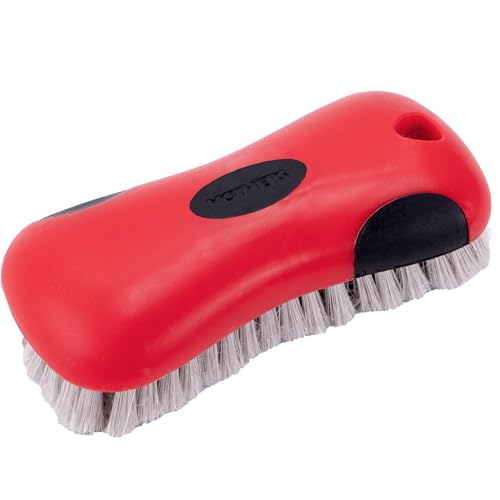
- Microfiber cleaning brush with soft bristles
- Mesh laundry bag for delicate fabrics
- Microfiber cloth dryer balls

Before You Start
Before cleaning microfiber cloths, separate them from cotton towels and other fabrics to prevent lint transfer. Use cold or warm water rather than hot water, which can set oils and residues. Avoid fabric softeners, bleach, and dryer sheets as they can reduce absorbency and leave residues. Allow sufficient time for air drying or a low-heat cycle to prevent heat damage. Important: Always follow the cloth manufacturer’s care label when available.
Step-By-Step: How To Clean Microfiber Cloths
- Rinse dust and debris under running water to remove loose particles before washing.
- Place microfiber cloths in a dedicated washing bag to minimize lint pickup and transfer between items.
- Wash in cold or warm water using a mild, fragrance-free detergent. Avoid fabric softeners, bleach, and dryer sheets.
- Run a separate cycle for microfiber cloths if possible; wash with other microfiber items only to reduce lint.
- Optionally add a small amount of white vinegar to the rinse cycle to help remove residues and odors.
- Rinse thoroughly to remove all detergent residues which can reduce absorbency.
- Air dry on a rack or low-heat tumble dry with microfiber cloth dryer balls to reduce static and encourage fluffiness.
- Do not overdry; remove while slightly damp to preserve softness and prevent stiffness.
- Inspect for remaining lint; if present, lightly brush with a lint brush for microfiber cloth to restore smoothness.
- Store clean, dry cloths in a lint-free container or bag to prevent re-soiling.
- For stubborn stains, treat the area with a small amount of mild detergent and re-wash without heat-activated stain pretreatments.
- Periodically deep-clean by rotating through a separate wash cycle specifically for heavily used cloths.
Troubleshooting
| Symptom | Likely Cause | Fix | Prevention |
|---|---|---|---|
| Cloths still feel stiff after washing | Detergent residue or mineral deposits | Rewash with extra rinse; skip softeners | Use distilled water if your water is hard |
| Cloth leaves lint on surfaces | Lint from washing with cotton fabrics | Wash microfiber separately or in a dedicated bag | Regularly brush with lint brush for microfiber cloth |
| Cloth smells musty | Moisture retention or mildew | Add a splash of white vinegar in rinse; ensure complete drying | Air dry promptly after use |
| Loss of absorbency | Overwashing with harsh detergents or fabric softeners | Rewash with no detergent on a neutral cycle | Avoid softeners and bleaches |
Common Mistakes
- Using fabric softeners or dryer sheets during washing or drying
- Washing microfiber with cotton towels or heavy fabrics
- Using hot water that can degrade fiber structure
- Ignoring the care label and mixing active stain treatments
- Not drying thoroughly, which can foster odors or mold
Tips For Best Results
- Always wash microfiber separately from other fabrics to minimize lint transfer.
- Prefer a mild detergent and avoid fragrances that can leave residues.
- Use a microfiber cloth washing bag to protect fibers and simplify drying.
- Consider using microfiber cloth dryer balls to reduce static and speed drying.
- Label and rotate your cloths to ensure even wear and consistent performance.
Call A Professional
Generally, cleaning microfiber cloths does not require professional help. Seek a pro if the cloths are severely stained, have persistent odors after multiple cleanings, or if the cloths are integral to medical or high-sensitivity cleaning routines and must meet strict standards.
FAQ
Can I wash microfiber cloths with towels?
It’s best to wash microfiber cloths separately or in a dedicated bag to prevent lint transfer and maintain absorbency.
Should I use hot water for microfiber?
No. Warm or cold water helps preserve fiber integrity and prevents residue buildup.
Do microfiber cloths need fabric softener?
No. Fabric softener reduces absorbency and should be avoided.
How can I remove stubborn odors from microfiber cloths?
Rewash with a splash of white vinegar in the rinse cycle and ensure thorough drying.
How often should I replace microfiber cloths?
Inspect for thinning fibers or persistent staining; replace when performance declines.
Is it okay to dry microfiber on high heat?
High heat can damage fibers; use low heat or air dry instead.
Can I use bleach on microfiber?
Bleach can degrade fibers; avoid it unless the manufacturer specifies safe use.
Buying Guide
When selecting microfiber cloths and related accessories, consider factors that impact cleaning performance and longevity. Key buying factors include:
- Size and density: Smaller cloths are handy for detail work, while larger sizes cover more surface area. Higher thread density generally yields better absorption.
- Material quality: Look for split microfiber strands designed for effective dusting and streak-free cleaning.
- Packaging and bundles: Sets that include a washing bag and a lint brush can simplify maintenance and extend life.
- Cleaning compatibility: Choose cloths that work well with water-based cleaners and are safe for delicate finishes.
- Durability: Reusable cloths should withstand repeated washing without shedding fibers.
- Noise and texture: Soft-bristle brushes minimize scratching on delicate surfaces.
- Energy and maintenance: Reusable dryer balls can reduce drying time and energy use.
- Placement and storage: Store in a clean, dry container away from lint sources to maintain readiness.
Considering these aspects helps choose microfiber products that deliver consistent results across household tasks, from kitchen counters to electronics screens.