Silvery teapots bring a classic shine to morning rituals and tea ceremonies alike. Over time, tarnish forms a dull residue on silver surfaces, especially in areas exposed to air and moisture. With the right approach and gentle products, silver teapots regain their luster without risking damage. This guide covers practical steps and safe tools to preserve the beauty of your silver teapot.
Quick Answer
To restore shine, rinse the teapot, apply a silver-specific tarnish remover cream or paste, gently rub with a polishing cloth, rinse again, and buff dry. For stubborn tarnish, repeat with a dedicated silver cleaning kit. Avoid abrasive pads or harsh chemicals that could scratch or cloud the silver.
What You’ll Need
- Silver teapot tarnish remover cream
- Silver cleaner paste for teapots
- Silver teapot polishing cloth
- Sterling silver teapot polish kit
- Anti-tarnish silver cloth teapot care kit
- Soft microfiber cloths for buffing
- Warm water and mild dish soap


Before You Start
Before cleaning, ensure the teapot is empty and cool. Use mild soap only if the finish is dull but free of heavy lacquer or decorative enamel. Do a small test on an inconspicuous area to confirm the cleaner won’t affect the surface. Avoid placing silver teapots in the dishwasher as the heat and harsh detergents can damage the finish. Plan for a 15–45 minute cleaning window, depending on tarnish levels.
Step-By-Step: How To Clean A Silver Teapot
- Rinse the teapot with warm water to remove loose dust and tea residues.
- Mix a small amount of mild dish soap in warm water if you are starting with routine cleaning rather than tarnish removal.
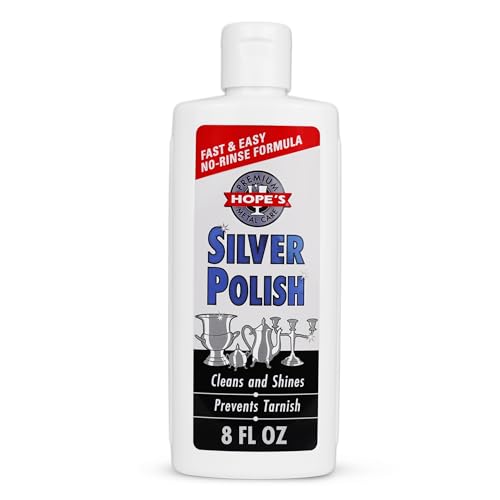
- Apply a thin layer of silver teapot tarnish remover cream or a comparable paste to a soft cloth, then rub gently in circular motions over the entire surface.
- Avoid scrubbing vigorously on ornate details; use a cotton swab for crevices to prevent scratching.
- Let the cleaner sit for the time indicated by the product instructions (often 1–5 minutes) to break down tarnish.
- Rinse thoroughly with warm water to remove all residue, then dry with a soft microfiber cloth.
- If any tarnish remains, repeat with sterling silver teapot polish kit steps or apply silver cleaner paste for teapots to targeted areas.
- Buff the entire surface with a clean polishing cloth until a bright, reflective finish appears.
- Inspect for any remaining dull spots; if necessary, perform a second light polish and final rinse.
- Store the teapot in a dry area with a soft anti-tarnish cloth nearby to slow future tarnishing.
- For ongoing care, use anti-tarnish silver cloth teapot care kit as part of routine maintenance.
Troubleshooting
| Symptom | Likely Cause | Fix | Prevention |
|---|---|---|---|
| Dull patches after cleaning | Residual tarnish or improper buffing | Reapply tarnish remover and buff with a fresh cloth | Buff with clean cloths; avoid old or dirty rags |
| Scratch marks | Abrasive cleaning tools | Switch to soft cloths and non-abrasive brushes | Use gentle circular motions only |
| Discoloration in crevices | Improper rinse or cleaner buildup | Rinse thoroughly; use cotton swabs for crevices | Rinse promptly after cleaning |
| Finish cloudy after drying | Water spots or mineral deposits | Dry immediately with a microfiber cloth | Wipe with distilled water if water hardness is high |
Common Mistakes
- Using aggressive metal polishes not intended for silver can damage the surface.
- Scrubbing too hard on engraved or decorative areas can remove detailing.
- Ignoring routine maintenance, which accelerates tarnish buildup.
- Letting water remain on metal surfaces long enough to cause water marks or spotting.
Tips For Best Results
- Work in a well-lit area to spot tarnish and scratches clearly.
- Follow product instructions precisely, especially sitting times for cleaners.
- Maintain a dedicated set of soft cloths for silver to avoid cross-contamination with other metals.
- For delicate handles or lids, test on a small area first before applying cleaner broadly.
- Consider periodic professional polishing for antique or highly valued pieces.
Call A Professional
Seek professional help if the teapot shows deep pitting, significant warping, or if decorative inlays are damaged. Stop cleaning and consult a jeweler or silver specialist when you notice any of the following signs: large scratches, loss of original patina on antique pieces, or uncertain finishes on plated surfaces. If the teapot is an heirloom or holds sentimental value, professional care may preserve more of its history.
FAQ
Can I use household toothpaste to clean a silver teapot?
Household toothpaste is not recommended; it can be abrasive and scratch the surface. Use a dedicated silver cleaner or polishing cream instead.
How often should I clean a silver teapot?
Clean lightly every few months to remove tarnish and prevent buildup, with deeper polishing as needed based on exposure and storage conditions.
Is it safe to use a silver polish kit on all silver teapots?
Most kits are safe for sterling silver and many decorated surfaces, but test first on a small area and follow the kit’s instructions.
What storage helps prevent tarnish?
Store in a dry, low-humidity area with anti-tarnish cloths or bags; avoid airtight containers that trap moisture.
Can I reuse tarnish remover cream later?
Yes, follow storage directions on the product label; keep away from moisture and sunlight to maintain effectiveness.
Buying Guide
When selecting cleaning tools for a silver teapot, consider several buying factors to balance efficacy and safety. Size matters because larger teapots require more cleaning product and longer polish sessions. Noise level is rarely a concern with hand-polishing tools, but if you’re using electric brushes, look for low-noise options. Energy efficiency is not usually a factor for manual cleaning, though some electric polishers offer energy-saving modes.
Controls and ease of use: choose products with clear instructions and minimal steps. Placement considerations involve storing cleaners in a cool, dry place away from direct sunlight to prevent degradation. Compare tarnish removers, pastes, and kits by surface compatibility (sterling silver, plated surfaces, or antique patinas). For best results, opt for a kit that includes a polishing cloth and an anti-tarnish buffer to extend the life of the shine.
Maintenance perspective: a simple routine—gentle cleaning after use, immediate drying, and regular polishing—helps maintain the reflective finish. If you own multiple silver items, a consolidated care kit can simplify maintenance. Always verify compatibility with any decorative details or enamel inlays before applying cleaners.