Dead algae can cloud water and leave a slimy film on walls. A clean, clear pool is not only more inviting but also easier to maintain. This guide covers practical steps to remove dead algae using common tools and safe practices for American backyard pools.
Quick Answer
Brush all surfaces with an algae brush, vacuum debris to the filter, then run the pool cleaner to suction up remaining particles. Maintain proper filtration, balanced chemistry, and regular brushing to prevent regrowth.
What You’ll Need
The following tools align with typical algae cleanup tasks. Use the closest available option if an exact item isn’t in stock.
- telescoping pool pole with algae brush for dead algae cleanup
- stainless steel pool brush head for algae removal
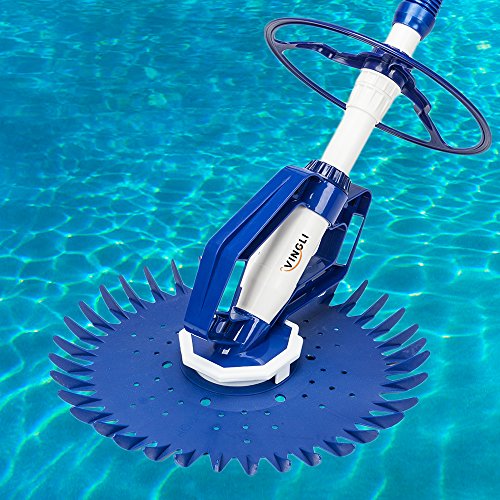
- automatic pool cleaner vacuum for dead algae debris
- pool vacuum head with swivel for algae removal
- algae scrubber brush for pool interior


Before You Start
Check chemical levels and clear the area around the pool. Remove toys and floats to prevent interference with brushes and cleaners. Time estimates vary by pool size and debris load but plan for 1–3 hours for a thorough dead-algae cleanup. Safety note: wear goggles and gloves to protect skin and eyes from chlorine byproducts and debris.
Step-By-Step: How To Get Rid Of Dead Algae In Pool
- Put on protective gloves and goggles, then brush the pool walls and floor with the algae scrubber brush for pool interior to dislodge dead cells.
- Attach the telescoping pool pole with algae brush for dead algae cleanup and systematically scrub all surfaces from the shallow to deep end.
- Vacuum the pool using the automatic pool cleaner vacuum for dead algae debris or the pool vacuum head with swivel for algae removal to pull debris into the filtration system.
- Run the pool filter continuously for several hours to capture fine particles. If your system supports vacuum-to-filter mode, use it for better debris capture.
- Check the water chemistry and adjust chlorine, pH, and alkalinity as needed to restore proper balance after the cleanup.
- Repeat brushing and vacuuming as needed until the water clears and debris stops accumulating on the bottom.
- Backwash or clean the filter according to the manufacturer’s instructions to maintain optimal suction and flow.
- Monitor the pool for new algae growth over the next few days and maintain a regular brushing schedule to prevent recurrence.
- Consider a routine maintenance plan that includes weekly brushing and a monthly filter check to sustain clarity.
- If debris persists or the algae return is rapid, consult a pool professional for a diagnostic test and tailored treatment plan.
- Document chemical readings and adjustments in a simple log to track progress and avoid oversaturation or chemical swings.
- Finish with a final brush of all surfaces and a quick vacuum to guarantee a clean finish before swimming.
Troubleshooting
| Symptom | Likely Cause | Fix | Prevention |
|---|---|---|---|
| Water remains cloudy after cleaning | Dead algae particles or imbalanced chemistry | Increase filtration time and rebalance chemicals | Maintain routine cleaning and consistent chemical checks |
| Debris clogs the filter quickly | Fine particles | Backwash more frequently or clean filter cartridge | Run filtration during brushing sessions |
| Algae reappears within days | Too low sanitizer or poor circulation | Adjust chlorine and improve circulation | Regular brushing and proper pump operation |
| Stubborn spots on walls | Biofilm buildup | Targeted brushing with stainless steel brush head | Increase weekly brushing in problem areas |
Common Mistakes
- Brushing without adequate vacuuming, leaving particles behind
- Ignoring filtration maintenance during cleanup
- Overlooking pH and sanitizer balance after heavy cleaning
- Using incompatible brushing tools that can scratch pool finishes
Tips For Best Results
- Use a stainless steel pool brush head for algae removal on tough spots, avoiding delicate liners where not recommended.
- Pair brushing with a solid vacuum plan using the automatic pool cleaner vacuum for dead algae debris to reduce lingering debris.
- Keep a weekly brushing routine to prevent buildup, especially in shaded or high-nutrient areas.
- Balance all four chemistry parameters: free chlorine, pH, total alkalinity, and cyanuric acid for pool water stability.
- Run the filter longer during and after cleaning to flush out the loosened algae.
Call A Professional
Seek professional help if: algae returns rapidly after cleaning, there is persistent cloudy water despite balanced chemistry, or you notice large areas of staining or persistent buildup near returns and skimmers. A pro can diagnose circulation issues, test for hidden contaminants, and optimize your sanitizer strategy.
FAQ
What is the quickest way to remove dead algae?
Brush thoroughly with an algae scrubber and vacuum debris to the filter, then run the cleaner for efficient removal.
Can I use household scrub brushes for algae removal?
Use pool-specific brushes to avoid damage to pool surfaces and ensure effective cleaning.
How often should I brush my pool to prevent algae?
Weekly brushing, especially in high-growth areas, helps prevent buildup and makes cleanup easier.
Is it necessary to shock the pool after dead algae cleanup?
Shocking may be beneficial if chloramine levels rise or if water appears off after heavy cleaning.
Buying Guide
When selecting tools for dead algae cleanup, consider size, compatibility with your pool type, and ease of use. A telescoping pole paired with a robust algae brush expands reach and reduces physical strain, while a stainless steel brush head offers durability for stubborn spots. An automatic pool cleaner vacuum provides hands-off debris removal and consistent suction, and a swivel-head vacuum helps prevent hose tangles. For interior scrubbing, an algae scrubber brush enhances surface contact and loosens biofilm. Choose tools that fit your pool’s surface (concrete, vinyl, fiberglass) and align with your maintenance routine.
Key buying factors include size and reach of the telescoping pole, the material and construction of the brush heads, noise and energy use of the automatic cleaner, and the compatibility with your filtration system. Evaluate controls and indicators on cleaners to ensure straightforward operation. Consider placement: in-ground pools benefit from longer poles and robust vacuums, while above-ground pools may prioritize light-weight, compact brushes. Look for durable coatings, rust resistance, and replaceable brush heads to extend tool life.