Choosing the right paint for a workbench matters for durability, finish, and ease of cleaning. This guide highlights five top options that cover epoxy, acrylic, and no-sand/no-prime formulations, all suited for wood, metal, and hard surfaces often found on workbenches. Each product includes key features to help you decide which finish best fits your shop workflow and lighting conditions.
Overview of selected products:
| Product | Brand | Format | Key Strengths |
|---|---|---|---|
| ALL-IN-ONE Paint, Durable cabinet and furniture paint | Heirloom Traditions Paint | Quart | Built-in primer and top coat, no sanding; 30 color card; interior/exterior; versatile on hard surfaces |
| Rust-Oleum 7881830 Specialty Appliance Epoxy Spray Paint, 12 oz, White | Rust-Oleum | Spray, 12 oz | Ultra hard enamel; durable epoxy; excellent for appliances and metal surfaces |
| Rust-Oleum 1974502 Painter’s Touch Latex Paint, Quart, Semi-Gloss Black | Rust-Oleum | Quart | Low odor water-based acrylic; versatile on wood, metal, plaster; quick drying |
These selections balance performance, ease of application, and the variety of surfaces you typically encounter on workbenches, from wood to metal and even tile. Read on to see how each product fits different shop scenarios and how to apply them for the best results.
Heirloom Traditions All-In-One Paint

This all-in-one paint combines primer and top coat in a single step, eliminating the need for sanding before applying. It includes a 30-color card, including Iron Gate (black), to help you preview finishes in your shop’s lighting. The formula is designed for interior and exterior use on a wide range of hard surfaces—walls, cabinets, doors, counters, furniture, metal, glass, and even tile—reducing project time without sacrificing durability. The velvety sheen provides a low-luster look that helps hide minor surface imperfections on a workbench top or frame.
Considerations: While convenient for multi-surface projects, test color under your lighting before large applications to confirm true color as seen in your shop. For workbench use, apply in a well-ventilated area and allow adequate cure time between coats if required by the color card selection.
Rust-Oleum Specialty Appliance Epoxy Spray

This epoxy spray is formulated for appliances and indoor metal surfaces, delivering a tough, abrasion-resistant enamel coating. It provides excellent rust and scratch resistance, making it a solid choice for metal workbenches or tool surfaces that see frequent handling, heat, or chemical exposure. The 12-ounce aerosol format offers convenient, even coverage for touch-ups or larger panel applications.
Considerations: Epoxy sprays can require proper surface preparation and ventilation. Follow the product directions for temperature and curing times to ensure maximum hardness and wear resistance on high-use bench surfaces.
Rust-Oleum Painter’s Touch Latex Paint
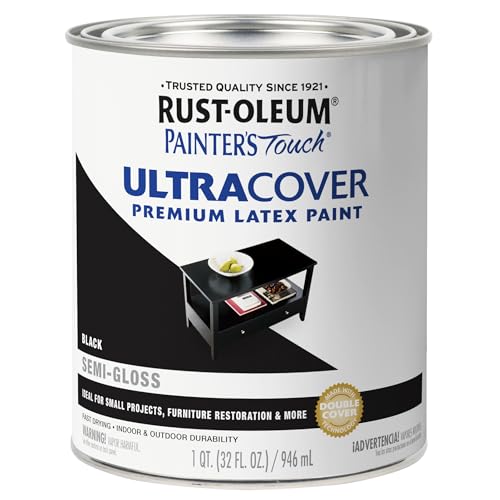
This Rust-Oleum latex paint is a versatile indoor/outdoor option suitable for wood, metal, plaster, masonry, and unglazed ceramic. Its water-based formula has low odor and excellent coverage, with the ability to resist chips and wear over time. A quart covers a sizable work surface area, and a 30-minute dry-to-touch timeframe speeds up project cycles on workshop benches and cabinetry upgrades.
Considerations: For a workbench, consider adding a clear protective topcoat if you want extra chemical resistance or scuff durability for high-use surfaces. Proper ventilation remains important, especially if applying multiple coats or using darker colors that require longer curing times.
Beyond Paint Counter Top Paint

Beyond Paint Counter Top Paint provides a no-stripping, no-sanding, no-priming finish for counters, with a charcoal color option. This pigment is designed for quick, professional-looking results on high-traffic bench surfaces. The formula is easy to apply and is suitable for both wood and certain composites, delivering a durable matte to satin finish that resists staining and wear when properly cured.
Considerations: For workbench durability, seal with a compatible topcoat to improve scratch resistance if the bench handles heavy tools or frequent impact. Always test a small area first to gauge adhesion on your specific surface.
Rust-Oleum Stops Rust Brush-On Paint

This brush-on formula focuses on rust and corrosion resistance, ideal for wooden and metal surfaces exposed to humidity or moisture in a workshop environment. The oil-based nature provides a durable protective coating with strong rust prevention. It dries to the touch relatively quickly and covers sizable areas, making it suitable for benches that double as tool stations or raw-metal frames.
Considerations: Oil-based paints can require longer cure times and more ventilation. Use proper brushes and avoid over-brushing to prevent brush marks on flat bench tops. Pairing with a compatible topcoat can further extend surface life when heavy use is expected.
Buying Guide: Key Purchase Considerations
- Surface compatibility: Identify whether your workbench is wood, metal, or a composite, and choose a paint with strong adhesion and durability for that substrate.
- Finish and sheen: For benches that see frequent contact with tools and hands, a satin or low-luster finish helps hide scuffs while remaining easy to wipe clean.
- Durability requirements: Epoxies and enamel-based coatings offer superior hardness and abrasion resistance, ideal for high-traffic benches and tool surfaces.
- One-coat vs multi-coat: All-in-one or no-sand formulas save time but may require a smooth, dry surface. If painting over rough surfaces, extra prep or a bonding primer may be advantageous.
- Ventilation and safety: Many paints require adequate ventilation and PPE. Check the product label for safety guidelines and cure times before resuming full use of the bench.
- Color and lighting: Consider shop lighting when selecting color. Lighter colors reflect more light, increasing visibility around the work area; darker colors can hide stains but may require more frequent cleaning to maintain a consistent look.
- Maintenance and recoat schedule: Some finishes resist scuffs and chips longer than others. Plan for maintenance based on bench usage, chemical exposure, and the types of projects you typically perform.
- Application method: Sprays offer quick coverage for larger surfaces; brushes and rollers work well for edges and tight corners. For intricate work surfaces, be mindful of texture and coverage consistency.
Surface Preparation Tips
- Clean the surface thoroughly to remove dust, oils, and residue that could affect adhesion.
- Lightly scuff non-wood surfaces with fine-grit sandpaper if required by the product’s label.
- Test a small area to confirm color and adhesion before committing to the full bench.
- Follow recommended cure times between coats to ensure maximum durability.