Finding the right safety harness for painting is essential for protection and productivity. This guide highlights five top options designed for roof work, construction, and elevated painting tasks. Each pick fits a medium to large body and emphasizes fall arrest, comfort, and durability. Best for professionals who need reliable restraint, ease of use, and all-day wearability.
The following table provides a quick snapshot of the selected products, focusing on who they’re best for and why they stand out for painting and overhead work. Use this as a quick reference when comparing options.
| Product | Best For | Why It Stands Out |
|---|---|---|
| TT TRSMIMA Full Body Roofing Harness Kit | Roofers and general construction painters | Four adjustment points, side D-rings, compatibility with other lanyards |
| TT TRSMIMA Roofing Harness for Work | Medium–large builders | Ergonomic comfort padding and ANSI/ASSE Z359.11-2014 compliant |
| TRSMIMA Fall Protection Full Body Kit | Pro painters on multi-level sites | Tongue buckles, multiple D-rings, robust lanyard |
| QFU Safety Harness Kit with Shock-Absorbing Lanyard | All-day wearers | Ventilated padding and 25KN+ strength |
| TRSMIMA Rope Harness with 50 ft Rope | Height-access painting and rope-access setups | Heavy-duty rope, locking rope grab, steel hooks |
TT TRSMIMA Full Body Roofing Safety Harness Kit

This four-point, adjustable full-body harness is designed for construction and roofing work. It includes side D-rings on the waist for work positioning and is compatible with various lanyards. The kit is tested to ANSI/ASSE Z359.11-2014 standards, making it suitable for elevated painting duties where fall protection is critical. Best for workers who need secure restraint with extra attachment options.
Best for: medium to large builders who require a robust, compliant harness with multiple attachment points. The included 2m lanyard provides immediate fall protection out of the box. Use this if you want a compact all-in-one package for roof access and overhead painting.
Caution: The size range is wide, but users should verify waist, chest, and leg measurements before purchasing to ensure a snug fit that doesn’t impair mobility during climbs.
TT TRSMIMA Roofing Harness for Work

This full-body harness emphasizes ergonomic comfort with a new waist padding designed to reduce fatigue during long painting sessions. It exceeds ANSI/ASSE Z359.11-2014 standards and ships with a 2m safety lanyard. The design includes a channeled air flow and plush padding to help manage heat during warm-weather projects. Best for painters who need sustained comfort while working at heights.
Best for: professionals who spend extended hours in overhead painting or roofing contexts and want extra waist support. It’s a solid pick when comfort and safety standards matter most. A potential limitation is the added bulk from padding, which may affect tight space work.
TRSMIMA Safety Harness Fall Protection Kit with Lanyard

Featuring reliable tongue buckle adjustments and steel D-rings, this full-body harness supports a wide waist and leg range for varied body types. The included 6ft lanyard doubles as a fall arrest and a shock absorber, reducing bulk and tripping risk. Best for painters who need flexible attachments and quick adjustment during multi-level work.
Best for: painters who want a versatile setup with integrated lanyard function. Limitations include the need to ensure the lanyard length is appropriate for the specific work height to maintain safe clearance zones.
QFU Safety Harness With Shock-Absorbing Lanyard
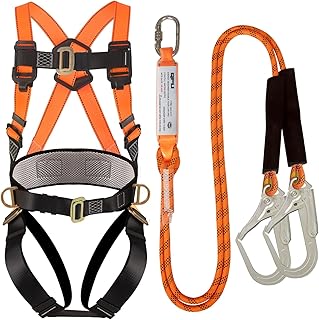
This kit emphasizes adjustable fit and breathable padding across shoulders, waist, and legs. It uses high-tensile webbing with a 25KN+ strength rating, providing robust protection in the event of a fall. Best for painters who value long-wearing comfort and strong construction for frequent climbs and repositioning.
Best for: workers who require heavy-duty construction with strong safety margins. A note: ensure proper inspection of padding and straps as part of routine maintenance to preserve performance and comfort over time.
TRSMIMA Rope Harness with 50 ft Rope
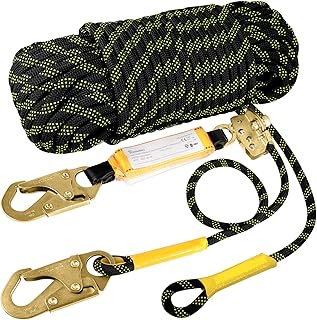
This kit pairs a heavy-duty 50-foot braided rope with a steel rope grab and dual locking hooks. The rope’s 310 lb capacity and ANSI/CE compliance offer strong fall protection for rope-access painting scenarios. Best for painters who operate in areas where anchor points are spaced and rope-based systems are preferable to traditional lanyards.
Best for: rope-access painters and climbers who need long reach and secure rope management. Consideration: rope length requires planning for overhead routes and anchor placement to avoid entanglement or snagging on equipment.
Buying Guide: Key Considerations for Painting-Related Use
- Fit and comfort: Look for multiple adjustment points and padded waist/shoulders to minimize fatigue during long painting sessions on ladders, rooftops, or scaffolds.
- Attachment options: Choose a harness with multiple D-rings (back and sides) to support tool attachments and varied work positions. Consider whether you prefer a lanyard-only solution or a combined lanyard/rope setup.
- Standards and certification: Ensure the harness meets ANSI/ASSE Z359.11-2014 or equivalent standards for reliability in fall protection scenarios common in painting work at height.
- Comfort vs. mobility: Padding helps comfort but can add bulk. If you paint in tight spaces, prioritize slimmer profiles with adequate protection.
- Lanyard vs rope systems: Lanyards are versatile for quick work at lower heights; rope systems excel in longer suspended access. Assess site geometry and anchor availability.
- Durability and maintenance: Inspect stitching, buckles, D-rings, and padding regularly. Replace components showing wear to avoid failure during use.
- Size range and weight capacity: Confirm waist, chest, and leg measurements to match the user. Check weight limits to ensure compatibility with tools and clothing.
- Ease of use: Quick adjustments and intuitive buckles reduce setup time and potential errors when moving between painting tasks and elevations.
Practical Setup Tips
- Pre-inspection: Check buckles, D-rings, and lanyard integrity before each job.
- Anchor planning: Identify stable anchors with clear fall clearance and avoid sharp edges that could compromise rope or strap integrity.
- Layered protection: Combine a harness with appropriate fall protection equipment, including a helmet, non-slip footwear, and fall-arrest lanyards that fit your task.
FAQ
- What is the main difference between a lanyard and a rope for fall protection? A lanyard is a shorter connector that limits fall distance, while a rope system can cover longer spans and offers rope-grab mechanisms for controlled descent and arrest.
- What should I consider when choosing size? Check waist, chest, leg measurements, and weight capacity. Ensure the harness fits snugly without restricting movement.
- Are these harnesses suitable for painting on ladders? Yes, most models provide work-positioning features and side D-rings for tool attachment, but ensure ladder-safe setup and fall protection compliance on ladders.
- Do these include a lanyard? Some kits include a lanyard; others are sold as harness-only with compatible lanyards available separately. Always verify package contents before purchase.
- How important is ANSI/ASSE certification? Certification indicates adherence to recognized safety standards, which reduces risk during high-elevation painting tasks.
- Can I use the same harness for different heights? Yes, but ensure the anchoring system and lanyard length suit the specific height and environment to maintain safe fall clearance.