When sealing painted kitchen cabinets, you want a finish that protects against moisture, stains, and daily wear while preserving color and shine. This guide highlights five reliable options that work well with painted cabinetry, from durable cabinet coatings to universal sealants and clear topcoats. The best choice depends on your project goals: quick-dry formulas for fast results, stain and moisture resistance for busy kitchens, and low-VOC options for sensitive spaces. The table below compares the selected products at a glance to help you decide which is best for your needs.
Quick comparison
| Product | Best For | Key Benefit | Notes |
|---|---|---|---|
| Rust-Oleum Cabinet Transformations & Trim Paint, Pure White | Cabinets and trim refresh | Smooth, durable semi-gloss finish | Easy to clean; quick dry |
| Beyond Paint BP37 Multi Purpose Sealer | Simple, no-fuss projects | No stripping or priming needed | Roll-on, self-leveling |
| Clear Coat Pint (16oz) – Eco-Friendly Clear Satin | Medium projects requiring protection | Low VOC and durable satin finish | Suitable for indoor/outdoor use |
| Zinsser Bulls Eye SealCoat Universal Sealing | All interior wood projects | Fast-drying universal sealer | Dries quickly; can be sanded and recoated |
| Rust-Oleum Chalked Ultra Matte Clear Top Coat | Vintage or distressed looks | Non-yellowing, matte protection | Low odor; multi-surface |
Rust-Oleum Cabinet Transformations & Trim Paint
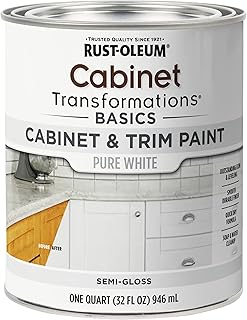
Product overview: This kit provides a complete cabinet refresh with a pure white, smooth semi-gloss finish. It is designed to deliver a durable, easy-to-clean surface that resists dirt, grime, mildew, and household chemicals on the paint film. The product is versatile for cabinets, vanities, furniture, and trim, and it offers a smooth application with typical flow and leveling for brush, roller, pad, or airless spraying methods.
Who this is best for: Homeowners seeking a remodel-grade white cabinet update with single-coat durability and a clean look. Ideal for kitchens that see frequent use and require easy maintenance.
Why selected: It combines a durable, washable finish with a bright white tone that’s compatible with modern kitchens and brightens spaces. The kit’s emphasis on flow and leveling supports a professional-looking result even for DIY projects.
Limitations: As a kit with both priming and topcoat components, proper surface preparation remains important for best adhesion and longevity. Ensure proper ventilation during application.
Beyond Paint BP37 Multi Purpose Sealer

Product overview: Beyond Paint BP37 sealer offers a quick, easy sealing solution with a finish that looks professional. It claims no stripping, sanding, or priming is needed, and it uses a roll-on application with self-leveling properties for a smooth result on painted surfaces.
Who this is best for: DIYers who want minimal prep and fast project completion, particularly when sealing already-painted or decorative surfaces such as cabinet doors.
Why selected: The no-prime, no-sand approach reduces prep time while delivering a solid protective coat, making it suitable for small-to-medium cabinet refreshes.
Limitations: Some projects may require multiple coats to achieve maximum durability; check compatibility with your specific paint base and surface for best results.
Clear Coat Pint (Eco-Friendly Satin)

Product overview: This eco-friendly satin clear coat is designed to seal painted wood surfaces with low VOC formulation. It provides a durable, satin finish that enhances and protects cabinetry in high-traffic areas like kitchens or family rooms.
Who this is best for: Projects where indoor air quality matters or where a balanced sheen is desired without a high-gloss look. Suitable for users seeking a durable, everyday-use finish with environmental considerations.
Why selected: Low VOC and a satin sheeny finish help maintain a fresh appearance while offering robust protection against wear and moisture. It’s a versatile option for mid-size cabinet projects.
Limitations: Satin finishes can reveal surface texture more readily than glossier coatings; ensure a smooth base for best results. Recoat timing should align with product guidelines.
Zinsser Bulls Eye SealCoat Universal Sealing

Product overview: Bulls Eye SealCoat is a dewaxed shellac-based sealing solution designed to work as a universal base for all clear finishes. It dries quickly and is compatible with interior wood surfaces, making it a good option for sandable, fast-to-prepare coatings.
Who this is best for: Projects requiring a fast-drying sealant that can serve as a base coat before applying topcoats on interior wood surfaces, including cabinets with complex grain.
Why selected: Its fast dry time and universal compatibility help streamline multi-step sealing processes while preserving color and clarity of painted surfaces.
Limitations: Because it is shellac-based, it may interact with certain waterborne finishes; test compatibility with your chosen topcoat on a small area first.
Rust-Oleum Chalked Ultra Matte Clear Top Coat

Product overview: This matte top coat protects painted surfaces while providing a vintage, chalked look. It’s designed for multi-surface use and can enhance distressed or soft, matte finishes on cabinetry and other furniture.
Who this is best for: Projects aiming for a rustic, vintage vibe or a muted matte finish with durable protection against chipping and moisture ingress.
Why selected: The non-yellowing, UV-resistant formula helps maintain the desired finish over time, and its versatility across surfaces can simplify finishing steps for mixed-material kitchens.
Limitations: A matte top coat may accentuate surface imperfections; ensure a smooth, well-prepared base for best results.
Buying Guide: Key Considerations for Sealing Painted Kitchen Cabinets
Surface compatibility: Check whether the sealer or top coat is designed for painted wood, melamine, or laminate surfaces. Some products excel on wood but may not adhere as well to non-wood substrates.
Finish type and sheen: Choose between satin, semi-gloss, and matte based on the kitchen’s lighting, style, and maintenance needs. A semi-gloss finish is often favored for kitchens due to its cleanability.
Durability and cleanability: For active kitchens, prioritize products offering moisture resistance, stain resistance, and easy wipe-clean properties.
VOC and odor: Low-VOC or eco-friendly options improve indoor air quality during application and curing. This is especially important in smaller kitchens or homes with sensitive occupants.
Application and prep: Consider whether the product requires priming, sanding, or stripping. Some sealers offer no-priming convenience but may need careful surface preparation for optimal adhesion.
Drying time and recoat window: Quick-dry formulas speed up projects but may demand precise timing for recoats. Plan painting sessions around your schedule and room usage.
Application method: Some products are designed for brush and roller, while others support spray application. Choose based on your equipment, skills, and room size.
Frequently Asked Questions
- What is the best finish for painted kitchen cabinets? A semi-gloss or satin sealant often provides a balance of durability and cleanability without appearing overly shiny.
- Do I need a primer before sealing painted cabinets? In many cases, a good sealer or top coat can be applied over properly prepped paint. Follow product guidelines for priming requirements.
- Can I use a clear top coat over chalk-style paint? Yes, many clear top coats are compatible with chalk-style finishes, but always test for compatibility and finish compatibility with your base paint.
- Is low-VOC safe for kitchen use? Low-VOC products reduce odors and improve indoor air quality during application, making them suitable for kitchens when properly ventilated.
- How long should the seal coat cure before using the cabinet? Cure times vary by product; refer to the manufacturer’s directions for recoat windows and full cure times.
- Can these products be used on non-cabinet furniture? Most of the listed options are multi-surface or wood-focused and can be used on related furniture, but verify surface compatibility with each product.