Choosing the right paint for basement stairs involves balancing traction, durability, and ease of maintenance. The options below focus on anti-slip properties, moisture resistance, and compatibility with concrete and basement environments. Each pick is suitable for interior basement stairs or connected concrete surfaces, with a mix of epoxy acrylic, enamel, and anti-slip coatings. This guide highlights five reliable products to help stairs stay safer and looking good for years to come.
Summary of Selected Products
| Product | Brand | Key Benefit |
|---|---|---|
| KILZ 1-Part Epoxy Acrylic Concrete & Garage Floor Paint, Slate Gray | KILZ | Durable satin finish, interior/exterior use, great for basement floors |
| DYCO Court & Floor Anti-Slip Coating (Black) | Dyco Paints | Exceeds ADA anti-slip standards, long-lasting safety for stairs |
| KILZ 1-Part Epoxy Acrylic Concrete & Garage Floor Paint, Silver Gray | KILZ | Durable satin finish, versatile on porous concrete and masonry |
| CALIFORNIA PAINTS ALLFLOR Porch, Patio and Floor Enamel Paint | California Paints | Extremely durable water-based enamel, versatile on basement surfaces |
| Chemicar Concrete Anti-Slip Floor Coating Paint (Gray) | Chemicar | Gritty anti-slip coating, easy roll-on application for stairs |
KILZ 1-Part Epoxy Acrylic Concrete & Garage Floor Paint, Slate Gray

Durable Epoxy Acrylic Formula: Resists hot tire pickup, scuffing, cracking, peeling, and fading. The satin finish provides a polished look while protecting concrete surfaces in basements and other high-traffic areas. This product is designed for both indoor and outdoor horizontal surfaces, making it a versatile choice for basement stairs connected to other concrete floors. It is recommended for properly prepared porous concrete, masonry, stone, and brick, but not suitable for vertical surfaces or hydrostatic pressure exposure. Residential use only.
DYCO Court & Floor Anti-Slip Coating

SUPERIOR ADHESION: Suitable for interior and exterior concrete and asphalt surfaces, including safety areas, patios, pool decks, and notably stairs. ADA STANDARDS: Exceeds anti-slip requirements to enhance safety on basement stairs and other high-traffic areas. LONG-LASTING FINISH: Designed to resist UV exposure, fading, peeling, and chemicals, offering a typical lifespan of 5-8 years under normal conditions. This coating provides a durable, slip-resistant surface ideal for basement stair applications where traction is essential.
KILZ 1-Part Epoxy Acrylic Concrete & Garage Floor Paint, Silver Gray

Durable Epoxy Acrylic Formula: Resists hot tire pickup, scuffing, cracking, peeling, and fading. A satin finish that protects concrete surfaces while offering a clean, modern look. Suitable for indoor and outdoor horizontal surfaces, including basement floors and porches. It supports a broad range of porous concrete, masonry, stone, and brick surfaces, with the caveat that it is not intended for vertical surfaces or hydrostatic pressure exposure. Residential use only.
CALIFORNIA PAINTS ALLFLOR Porch, Patio and Floor Enamel

ENAMEL FLOOR PAINT: A highly durable, water-based enamel that resists alkali, water, and blistering. The fade-resistant color stays bright under heavy use, making it suitable for basement floors and stairs. It adheres to a variety of surfaces, including concrete, and is versatile for porches, pool decks, basements, and more. This option offers a balance between durability and ease of cleanup for interior basement environments.
Chemicar Concrete Anti-Slip Floor Coating (Gray)
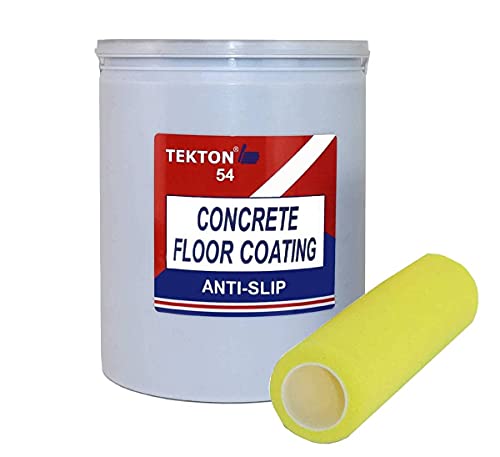
Easy to Apply: Roll-on application with no shaking or stirring required. This product is recommended for garages, walkways, steps, warehouses, ramps, and carports, providing a gritty anti-slip coating for floors including basement stairs. It adheres well to clean, bare metals, painted surfaces, wood, concrete, tile, and more. The gritty texture improves traction on stairs, reducing slip hazards in basements.
How to choose for basement stairs
When selecting paint for basement stairs, prioritize traction, moisture resistance, and the ability to withstand foot traffic. Anti-slip or textured coatings are beneficial on treads and risers to reduce slipping. Epoxy-based or enamel formulations offer durability in damp, concrete environments, while water-based options can ease cleanup and odor concerns. Consider whether you need a single-coat solution or a product that requires priming, and ensure compatibility with existing finishes or sealers on your stairs.
Preparation and application tips
Proper surface preparation yields the best results. Clean the stairs to remove dust, oil, and grime. If the surface is porous, a deglosser or light etching may help with adhesion. Fill cracks or spalls, and repair any damaged concrete before coating. For anti-slip coatings, follow product-specific instructions for roller or brush coverage and cure times. Use adequate ventilation and allow full cure between coats if multiple layers are recommended.
Safety and maintenance considerations
Choose products with low volatile organic compounds (VOC) when possible to minimize indoor odors. Regularly clean high-traffic areas with mild cleaning agents to maintain traction, and recoat as recommended by the manufacturer to preserve durability. If your basement experiences high humidity or water intrusion, address moisture sources first, as ongoing moisture can compromise coatings and adhesion.
Buying Guide: Key Purchase Considerations
- Anti-slip performance: For stairs, emphasis on slip resistance is essential. Look for products labeled as anti-slip, non-slip, or with textured finishes and ADA compliance where relevant.
- Moisture resistance: Basements can be damp. Select water-based or epoxy-based formulas designed for interior moisture exposure to prevent blistering and peeling.
- Durability: High-traffic stair surfaces benefit from durable enamel or epoxy coatings. Consider long-lasting options (5-8 years is common for many anti-slip coatings) for lower maintenance.
- Surface compatibility: Ensure the product adheres well to concrete, masonry, or other basement substrates. Some coatings are not suitable for vertical surfaces or substrates with hydrostatic pressure exposure.
- Finish and appearance: Satin or low-luster finishes offer a balance between aesthetics and practicality, making dirt and scuffs less noticeable on stairs.
- Application ease: Roll-on coatings and single-part formulas reduce preparation time. Check cure times before resuming use on stairs to avoid foot traffic on an unfinished coating.
- Odor and VOCs: For enclosed basements, prefer low-VOC formulations to minimize indoor air impact during and after application.
- Maintenance: Consider ease of cleaning and resistance to staining or chemical exposure common in basements, such as cleaners or de-icers.
- Color options: Choose colors that contrast with risers and treads to improve visibility and safety on stairs.
Note: This article presents options based on product features and typical suitability for basement stairs. Always follow manufacturer instructions for surface preparation, application, and safety. Prices and availability may vary by retailer and region.