Answer: For a long-lasting, weather-resistant pool deck finish, choose rubber-based deck coatings designed for durability, UV protection, and slip resistance. This guide highlights top options suited for pool areas, wet environments, and high-traffic surfaces. Ideal buyers include homeowners renovating pool decks, property managers seeking low-maintenance coatings, and contractors prioritizing waterproof, flexible membranes. Below is a quick summary table of the best five picks to help you compare at a glance.
| Product | Best For | Coverage | Finish |
|---|---|---|---|
| Liquid Rubber Polyurethane Deck Coating – Neutral Beige (4 Gal) | Large decks, high-traffic wet areas | ~200 sq ft per 4 gal (high-traffic zones ~120 sq ft per 4 gal) | Textured or smooth |
| Liquid Rubber Cool Foot Deck Coating – Neutral Beige (1 Gal) | Heat-avoidance, smaller surfaces | ~100 sq ft per gallon | Seamless membrane, cool finish |
| Liquid Rubber Polyurethane Deck Coating – Misty Gray (4 Gal) | Neutral-tone option, durability | ~200 sq ft per 4 gal | Textured or smooth |
| Liquid Rubber Polyurethane Deck Coating – Neutral Beige (1 Gal) | Small or accent projects | ~50 sq ft per gallon | Textured or smooth |
| Encore Coatings Cool Pool Deck Coating Bundle | Pool deck resurfacing with heat reduction | Bundle coverage varies by kit | Tintable, protective finish |
Note: All listed products are designed to deliver water resistance, flexibility, and slip resistance. When choosing, consider deck size, sun exposure, expected foot traffic, and whether you need heat-reflective properties to reduce surface temperatures.
Liquid Rubber Polyurethane Deck Coating — Neutral Beige (4 Gal)
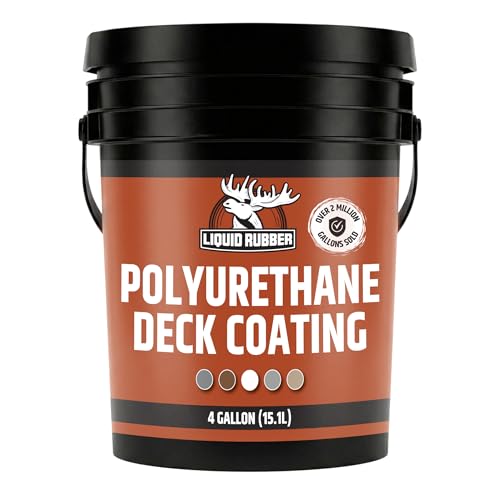
Best for: Large wood, concrete, and plywood pool decks. This 4-gallon kit is engineered for decks, stairs, and trailers, offering a durable, waterproof sealant that resists peeling and cracking. Choose this for resurfacing old finishes or sealing new builds with industrial-grade durability.
Why selected: It provides 10X strength versus traditional deck paints, delivering long-term protection and a textured or smooth finish depending on preference. Coverage is generous per gallon, suitable for multi-coat applications.
Caution: Surface prep and multiple coats are needed; overspreading can affect texture and cure time. High-traffic zones may require additional coats for maximum durability.
Liquid Rubber Cool Foot Deck Coating — Neutral Beige (1 Gal)

Best for: Heat-sensitive surfaces and smaller areas needing a cooling membrane. This coating reflects heat and reduces surface temperatures, helping feet stay cooler on hot days.
Why selected: It provides UV stability and a seamless protective finish for wood, concrete, decks, walls, and fences. Application is straightforward with brushes, rollers, or sprayers.
Caution: Suitable for standalone use but may benefit from compatible geotextile fabric in larger seams or gaps for best adhesion.
Liquid Rubber Polyurethane Deck Coating — Misty Gray (4 Gal)
Best for: Neutral-gray tones that hide wear on larger decks. Suitable for concrete, wood, and plywood surfaces in wet pool areas.
Why selected: It shares the same 10X durability advantage as other Liquid Rubber coatings, with optional texture for grip. Great for resurfacing and sealing with industrial-grade performance.
Caution: As with other deck coatings, adequate surface prep and coat layering are essential for optimal adhesion and finish.
Liquid Rubber Cool Foot Deck Coating — Neutral Beige (5 Gal)
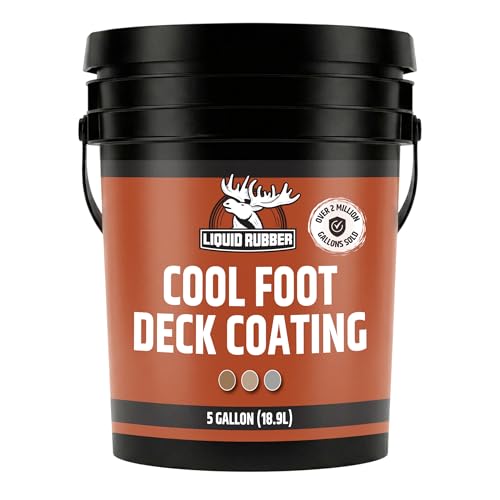
Best for: Large or heat-prone pool decks that need ongoing cooling benefits and robust protection. Suitable for wide surfaces with sun exposure.
Why selected: Offers UV resistance, a protective membrane, and easy application for a stand-alone coating. Good for coat-on-coat builds in busy outdoor areas.
Caution: Ensure proper ventilation during application and allow sufficient cure time between coats for best performance.
Encore Coatings Cool Pool Deck Coating Bundle

Best for: Pool deck resurfacing with color-tint options. Bundle provides a ready-to-apply solution for fast, heat-reducing deck upgrades.
Why selected: Bundle format often suits projects needing multiple components in one order. It reduces decision time and helps maintain consistent finish across the deck.
Caution: Bundle contents and coverage vary by kit; verify the exact components and total coverage before purchase.
Buying Guide
What matters when choosing rubber deck coatings for pool areas:
- Heat management: If sun exposure is intense, pick heat-reflective or “Cool Foot” options to lower surface temperatures.
- Traffic and wear: For busy pool decks, select products advertised as durable, waterproof, and crack- and peel-resistant with multi-coat applications.
- Surface compatibility: Confirm the coating works on wood, concrete, and plywood, and consider whether you need a stand-alone membrane or a coating compatible with seam-bridging fabrics.
- Finish and texture: Decide between smooth for aesthetics or textured for added grip in wet areas. Textured finishes can enhance slip resistance.
- Coverage and coats: Note that high-traffic zones may require more coats and closer attention to curing times for best adhesion.
- Color and appearance: Neutral-beige or Misty Gray options blend with outdoor environments and help conceal wear.
Frequently Asked Questions
- Q: Do rubber deck coatings provide slip resistance?
- A: Yes, many are formulated with textured finishes or can be rolled to create non-slip surfaces, enhancing safety around wet pool areas.
- Q: Can these coatings be applied over existing paints or coatings?
- A: In most cases, proper preparation is required. Some products tolerate older coatings, but surface prep improves adhesion and durability.
- Q: How long do they take to cure?
- A: Curing times vary by product, temperature, and humidity. Follow the manufacturer’s guidance and allow adequate time between coats.
- Q: Are cooling-deck options worth it for hot climates?
- A: For sun-exposed decks, cooling-deck options can significantly reduce surface temperature, improving comfort and safety.
- Q: Do I need a primer with these coatings?
- A: Primers are not always required, but some projects may benefit from a compatible primer to maximize adhesion and longevity.