Choosing the right oak stain can dramatically influence how grain, color, and depth appear on furniture, doors, cabinets, and woodwork. This guide highlights five top oak stains that balance color, durability, and ease of application for American households. Each product features clear color outcomes, drying times, and application tips to help you select confidently for interior projects.
| Product | Brand | Key Feature |
|---|---|---|
| Minwax Golden Oak Wood Finish, Quart | Minwax | Deep penetrating oil-based stain with rich, even color |
| Furniture Clinic Wood Stain, Natural Oak | Furniture Clinic | Water-based, quick-drying, low odor, non-toxic |
| Varathane 4 oz Golden Oak Less Mess Stain & Applicator | Varathane | 2-in-1 stain and applicator, convenient for crafts |
| Minwax Red Oak Wood Finish, Quart | Minwax | Oil-based stain with quick drying and easy application |
| Minwax Golden Oak Wood Finish, Half Pint | Minwax | Compact option with rich, even color and fast dry time |
The following sections review five oak-focused stains, detailing color behavior, finish quality, drying times, and recommended use cases to help you pick the best option for your project.
Minwax Golden Oak Wood Finish, Quart
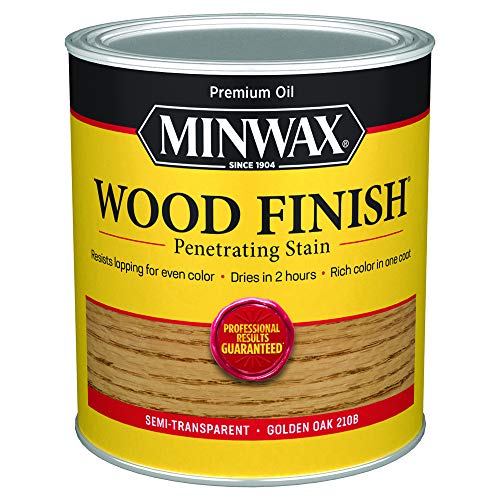
Minwax Golden Oak Wood Finish delivers a deep penetrating oil-based stain that enhances natural grain in one coat. It is designed for interior projects such as furniture, cabinets, doors, and more, providing rich, even color. The product dries to a finish in about two hours and resists lap when applied with a cloth or brush along the grain, allowing for quick project completion. To deepen color, apply coats after the initial application, waiting 5–15 minutes before wiping excess. This stain is widely used for warm oak tones and traditional looks.
Furniture Clinic Wood Stain Natural Oak

This water-based stain from Furniture Clinic is formulated for quick drying and broad compatibility across indoor and outdoor wood surfaces. The stain is environmentally friendly, dries to a natural matte finish in about 10 minutes, and comes in 12 colors. One coat often provides a visible, even color, simplifying the color matching process for oak furniture and trim. Its low odor design makes it suitable for indoor projects, and the product range supports variability in shade depth across different oak grains.
Varathane Less Mess Wood Stain & Applicator, Golden Oak

Varathane’s 2-in-1 design combines stain and an applicator for craft-oriented projects and smaller furniture pieces. The product is water-based with a low odor, making it easier to use in home environments. Its 16 fl oz volume provides ample coverage for multiple small oak items, and cleanup is simple with soap and water. The formula emphasizes easy application, blending, and color consistency, ideal for hobbyist refinishing or targeted touch-ups on oak surfaces.
Minwax Red Oak Wood Finish, Quart

Minwax Red Oak offers a rich, warm color that complements red-toned oak grains. This oil-based finish penetrates deeply and works well for interior staining projects such as furniture, cabinets, and doors. Quick-drying properties allow for multiple coats within a short period, and the application method is straightforward—brush or wipe along the grain, then wipe away after a brief dwell. Repeated coats build depth and intensity while preserving the natural grain pattern of red oak.
Minwax Golden Oak Wood Finish, Half Pint
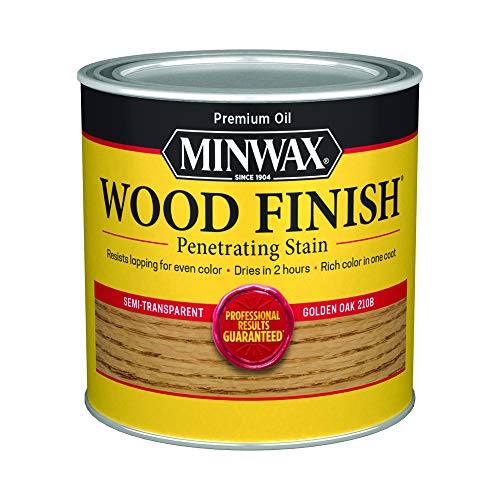
This half-pint option provides the same rich oak tone and convenient dry times as larger cans, making it suitable for smaller projects or precise color matching. It shares the same deep-penetrating oil-based formula, enabling beautiful color enhancement and grain definition with a single coat. For deeper color, layered coats with proper drying intervals can achieve more pronounced oak warmth without compromising the grain texture.
Buying Guide
- Finish Type: Oil-based stains (like the Minwax options) offer deeper color penetration and longer color retention on oak, while water-based stains (like Furniture Clinic) tend to dry faster and have lower odor, with easier cleanup.
- Color Depth: Oak grain responds to color depth. For warm, traditional oak, Golden Oak and Natural Oak shades generally emphasize grain without masking it. Red Oak variants introduce a warmer red undertone.
- Drying Time and Recoat Windows: Oil-based stains often require longer cure times between coats (typically a few hours), while water-based options dry in minutes. Consider your schedule and project size when choosing.
- Surface Type: Interior projects—furniture, cabinets, doors—benefit from oil-based formulas for durability, while outdoor or high-traffic areas may require exterior or sealant compatibility (not all listed products are exterior-rated).
- Application Method: Brush, cloth, or applicator tips vary by product. Some stains include an integrated applicator (Varathane) for quick crafts, while others favor wiping with a cloth to control color depth.
- Finish Considerations: If you want a matte or natural look, water-based stains tend to dry to a softer finish. Oil-based stains often yield a glossier, more traditional appearance; consider a compatible topcoat to protect oak surfaces.
- Maintenance: Recoats should be planned based on wear. Oak furniture and cabinets typically benefit from light sanding between coats to preserve grain visibility and ensure even color penetration.
- Odor and Cleanup: Water-based stains are preferred for low odor and easy cleanup; oil-based stains require mineral spirits or equivalent solvents for cleanup and longer curing times.
- Safety: Follow manufacturer instructions for ventilation, surface preparation, and disposal. Wear gloves and eye protection during staining.
Across these options, you can achieve warm, classic oak tones suitable for a variety of American interior styles—from rustic to traditional to mid-century. When selecting, consider the level of grain visibility you want, the environmental conditions of the project site, and whether you need a faster workflow or deeper color penetration for oak furniture and trim.