Choosing the right paint for concrete block walls can protect against moisture, alkalinity, and wear while delivering a clean, attractive finish. This guide reviews five top-rated concrete paints and coatings, highlighting their key features, ideal use cases, and what to consider before you buy. The selections below emphasize water resistance, adhesion to masonry, and suitability for interior and exterior surfaces common to American homes.
| Product | Brand | Medium | Best For |
|---|---|---|---|
| INSL-X AMW100009A-01 WaterBlock | INSL-X | Water-based masonry | Basement walls, foundations, exterior blocks |
| Rust-Oleum 379908 Concrete Interior Wall Paint | Rust-Oleum | Water-based concrete finish | Interior walls with faux concrete texture |
| AMES BMX1WRG Blue Max White | AMES | Elastomeric liquid rubber | Below-grade and exterior foundations |
| Rust-Oleum 379908-2PK Concrete Interior Wall Paint | Rust-Oleum | Water-based concrete finish | Interior walls in pairs |
| KILZ 1-Part Epoxy Concrete & Garage Floor Paint | KILZ | Epoxy acrylic | Basements, garages, porches and driveways |
INSL-X WaterBlock Acrylic Masonry Paint
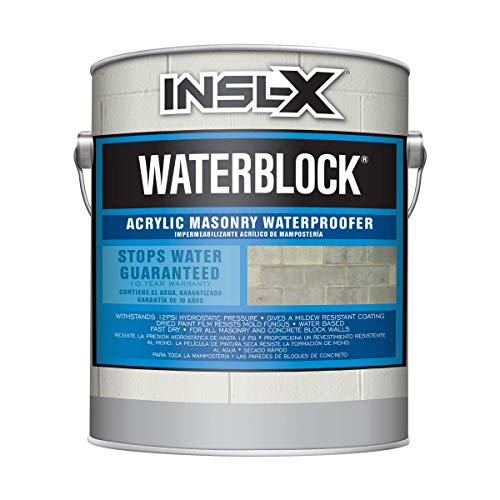
INSL-X WaterBlock is a water-based coating designed to seal interior or exterior concrete walls, including basement walls, foundations, and retaining walls. It provides fast-drying waterproofing suitable for masonry, cinder blocks, stucco, and brick. The product offers high alkali resistance, handling pH levels up to 13, which is important for concrete blocks that can exhibit alkaline conditions. This makes it a strong candidate for improving moisture resistance on masonry surfaces in damp climates or basements. The coating adheres well to vertical surfaces and dries to form a protective layer that helps resist efflorescence and dampness over time.
Key considerations: water-based formulations tend to be easier to clean and provide lower odor, which can be beneficial for indoor projects. The fast drying time minimizes downtime, enabling quicker completion of interior sealing initiatives. For exterior blocks, ensure adequate curing conditions and apply to a clean, dry surface for best results. This product is particularly well-suited for concrete block walls that require a breathable, protective layer without heavy solvent odors.
Rust-Oleum Concrete Interior Wall Paint (Quart)

Rust-Oleum’s Concrete Interior Wall Paint provides a water-based finish with a decorative concrete texture. While designed to enhance drywall, wood, and hardboard, it also offers a faux concrete look that can be applied to masonry surfaces for a contemporary aesthetic. It dries to the touch in about 30 minutes and covers roughly 30 square feet per quart, making it suitable for small to medium interior projects where a textured concrete appearance is desired without heavy coatings. This option is best when the goal is a stylish interior wall with a concrete-inspired finish rather than heavy-duty waterproofing for moisture-prone basements.
Considerations include surface prep to ensure adhesion and uniform texture. Since it’s water-based, clean-up is straightforward, and it works well in indoor environments where odor control matters. For exterior masonry or areas with significant moisture, pair with a dedicated masonry sealer before finishing for longer-lasting results.
AMES BMX1WRG Blue Max White

AMES Blue Max White is a robust elastomeric liquid rubber waterproofer designed for interior and below-grade exterior applications. It offers an impressive 900% elongation, enabling it to expand and contract with the substrate to resist cracking and peeling. The product creates an elastic membrane suitable for waterproofing foundations, basements, and underlayment on concrete and other surfaces such as wood and metal. It’s applicable by brush, roller, or spray on vertical or horizontal surfaces, making it versatile for multiple project layouts. This option is favored in scenarios where long-term water protection on concrete block walls is a priority, especially in areas with freeze-thaw cycles or high moisture exposure.
Practical notes: elastomeric coatings often require careful surface preparation to avoid trapping moisture. If used indoors, ensure proper ventilation during application. The product’s flexibility makes it a strong choice for exterior block walls and foundation-sealing tasks that face structural movements over time.
KILZ 1-Part Epoxy Concrete & Garage Floor Paint

KILZ 1-Part Epoxy Acrylic is a durable formula designed for horizontal concrete surfaces, including basement floors, garages, porches, driveways, and pool decks. The epoxy acrylic blend resists hot tire pickup, scuffing, cracking, peeling, and fading, offering long-lasting protection and a satin finish. While not primarily for vertical walls, this product is highly effective on concrete floors and exterior horizontal surfaces, where durability and resistance to traffic are critical. It’s suitable for properly prepared porous concrete, masonry, stone, and brick, making it a versatile option for larger projects requiring a tough, easy-to-clean surface with a professional appearance.
Important usage notes: avoid vertical applications or areas with hydrostatic pressure. This product excels in residential settings where concrete floors and exterior concrete surfaces demand a resilient, easy-to-maintain finish. Proper surface prep and ventilation are essential to achieve the best results.
Buying Guide: Concrete Wall Paint And Coatings For Block Walls
Choosing the right paint or coating for concrete block walls involves balancing moisture resistance, durability, ease of application, and aesthetic goals. Consider the following perspectives to guide your decision:
- Moisture control: For basements or damp areas, select products with proven water resistance, vapor permeability, and alkali tolerance. Water-based Block paints and elastomeric coatings can provide effective moisture barriers when properly applied.
- Surface type and condition: Concrete blocks vary in porosity and alkali content. Clean, dry, and sound surfaces are essential prep. Some products are formulated for masonry, while others are better suited for concrete floors or interior walls with decorative finishes.
- Elasticity and movement: Exterior walls and foundations move slightly over time. Elastomeric coatings offer crack-bridging flexibility, reducing the risk of peeling on masonry surfaces.
- Finish and appearance: If you want a textured or faux-concrete look, consider products that create that finish without heavy texture. For a classic painted look, choose low-odor, quick-dry options especially for interior spaces.
- Ease of maintenance: For spaces prone to dirt or cleanup, choose washable finishes and consider coatings with stain resistance. Some epoxy variants provide easier maintenance on floors and high-traffic areas.
- Application method: Brush, roller, and spray compatibility vary by product. Elastomeric coatings and epoxy paints may require more extensive surface prep and ventilation during application.
- Ventilation and odors: Indoor projects benefit from low-VOC and low-odor formulas. Always follow manufacturer recommendations for curing times and ventilation.
In practice, the best choice depends on the specific project: interior basement walls benefit from moisture-resistant, breathable masonry paints like WaterBlock; exterior block foundations may perform best with elastomeric coatings that tolerate movement; decorative interior walls can leverage faux-texture paints for visual appeal; and floors or porches benefit from hard-wearing epoxy or acrylic coatings. A layered approach—seal a damp surface, then apply a compatible topcoat—often yields the most durable results.
When evaluating options, compare coverage rates, drying time, and maintenance requirements. Look for certifications or notes on alkali resistance for masonry, and ensure compatibility with your substrate (vertical vs. horizontal surfaces) and climate. The selected products in this guide provide a spectrum of choices across interior, exterior, and aesthetic needs to help homeowners make an informed decision for concrete block walls.