When choosing stone or brick wall tiles for a DIY project, look for peel-and-stick 3D foam or PVC panels that are lightweight, easy to cut, and provide a convincing texture. This guide highlights top options ideal for living rooms, bedrooms, kitchens, and feature walls. Each pick notes who it’s best for, why it stands out, and any practical limitations.
The following quick-reference table summarizes five strong picks, including what they’re best for and their key strengths.
| Product | Best For | Why It Stands Out |
|---|---|---|
| YU LI 3D Wall Panels Peel and Stick | Budget-friendly décor upgrades | 7 mm thick, strong adhesion, easy DIY, realistic 3D effect |
| Tinlade 30 Pcs 3D Wall Panels | Medium areas, customizable color | 30 pieces cover ~28.81 sq ft, repaintable to refresh look |
| CONCORD WALLCOVERINGS 3D Faux Stone Wall Panels | Statement walls in living rooms or dens | Waterproof PVC, decorative rock cladding, durable |
| GenStone Faux Stacked Stone Panel | Do-it-yourself stone look project | Desert Sunrise color, DIY-friendly pre-cut panel design |
| 3D Panels Peel and Stick Simulated Stone | Smaller spaces, TV backsplashes | Lightweight PVC, waterproof, versatile installation |
YU LI 3D Wall Panels Peel and Stick

Best for first-timers and budget-conscious decorators. The 3D faux brick wall panels are made of high-quality PE foam, with a 7 mm thickness that offers a soft, textured surface. They provide a noticeable 3D effect compared with flat wallpaper and boast easy peel-and-stick installation. Strong adhesion helps reduce the risk of panels falling off, making them suitable for large-area walls in living rooms or bedrooms. A key limitation is that the foam material may not be ideal for high-moisture areas like bathrooms, where extended exposure to water could affect durability.
Who it’s best for: renters or homeowners seeking quick, affordable updates without tools or professional installation. Why selected: value-focused option with a convincing 3D brick look and straightforward DIY installation.
Tinlade 30 Pcs 3D Wall Panels

Best for mid-size projects where color customization and texture matter. These 30 pieces cover about 28.81 square feet with a 5 mm thickness, giving a more pronounced 3D look than flat wallpapers. The foam-based panels are easy to cut and install, with a smooth, bright surface. They’re repaintable—great for changing style without replacing panels. Caution: confirm exact coverage on your wall dimensions to avoid shortfalls and extra cuts.
Who it’s best for: owners who want a textured stone appearance and the option to repaint later. Why selected: balanced size and cover area, plus DIY-friendly installation.
CONCORD WALLCOVERINGS 3D Faux Stone Panels
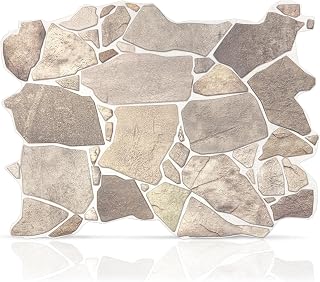
Best for spaces needing durable, moisture-resistant backing. These lightweight PVC panels feature a textured faux stone design suitable for accent walls, backsplashes, or areas near kitchens and fireplaces. The waterproof and washable surface supports easy maintenance, making them a good choice for living rooms, dens, or game rooms. Limitation: the look is decorative; for truly rugged outdoor use, verify exterior compatibility with material specifications.
Who it’s best for: homeowners seeking a durable, water-resistant stone impression. Why selected: strong moisture resistance and versatile applications.
GenStone Faux Stacked Stone Panel

Best for ambitious DIYers seeking a realistic stone look with a larger panel footprint. GenStone panels are designed for easy installation and offer a desert sunrise color that mimics natural stacked stone. The panels are marketed as DIY-friendly, with practical sizes that reduce the number of seams. A potential limitation is the need for precise cutting for edges or odd wall shapes, which may require careful planning and measuring before installation.
3D Panels Peel and Stick Simulated Stone

Best for compact spaces and accent details. This 3D panel line offers a PVC, waterproof surface suitable for interior walls, TV backgrounds, and study rooms. The panels are lightweight and easy to install with a self-adhesive backing. A consideration: the look can be less uniform if the seams aren’t perfectly aligned, so careful layout planning is recommended before applying.
Buying Guide: Stone And Brick Wall Tile Considerations
What material should you choose? Foam panels are inexpensive, lightweight, and forgiving for DIY installations, while PVC/options offer higher moisture resistance and durability. The decision depends on wall location (moisture exposure, heat, and humidity) and the level of realism you want. For renters or temporary decor, peel-and-stick options provide flexibility and quick changes. For long-term installations in living rooms or feature walls, consider more durable PVC panels or larger tile sections for fewer seams.
How thick should the panels be?
Thicker panels (around 5–7 mm) provide a more pronounced 3D effect and better sound insulation, but may be slightly harder to cut. For large, flat wall surfaces, 5–7 mm panels balance depth with ease of handling.
Are these panels suitable for bathrooms or kitchens?
Most panels described here are waterproof or water-resistant and designed for interior walls. They can work near kitchens or light-damp areas, but verify humidity exposure and cleaning expectations. Avoid prolonged direct exposure to water in bathrooms unless the product is explicitly rated for such environments.
How much wall area will I cover?
Check the product specs: many sets list total coverage or panel size. For example, 30 pieces at 30 x 30 cm traditionally cover around 28.81 square feet. Measure your wall carefully and allow for waste or cutting along edges.
How to install and maintain?
Most panels use self-adhesive backing or straightforward application with minimal tools. Clean, dry walls ensure better adhesion. For maintenance, wipe with a damp cloth; avoid abrasive cleaners that could dull the texture.
Color and texture variations
Texture depth and color tones vary by product. Some panels imitate natural stone with grayscale blends, while others emulate brick textures with bolder contrast. If color precision matters, consider sample swatches or small test patches before committing to a full wall.
FAQ
- Are foam panels safe for indoor use? Yes. They’re generally non-toxic, tasteless, and free from formaldehyde, but verify the specific product’s safety data.
- Can I repaint foam wall panels? Some panels are repaintable; check product details. Repainting can refresh the look without replacing panels.
- Do these panels stick to painted walls? A smooth, clean painted surface typically yields good adhesion, but rough or glossy paints may require surface prep or primer.
- Will panels damage walls when removed? Peel-and-stick applications can remove paint or finish if removed forcefully; use careful technique and follow product removal guidance.
- What spaces are best avoided for panels? Avoid high-moisture environments like showers unless the product is explicitly rated for such exposure.
- Can I cut panels to fit irregular wall shapes? Yes, most panels can be cut with basic tools to fit corners, outlets, and angles; plan the layout to minimize waste.