Finding the right color stain for pine can be challenging due to pine’s light tone and pronounced grain. This guide highlights five top picks that deliver rich color, even penetration, and user-friendly application for indoor pine furniture, cabinetry, and crafts. Each option offers unique advantages—fast drying, low odor, or enhanced durability—allowing you to choose based on project type and environment.
Overview of selected products (quick reference):
| Product | Brand | Color / Finish | Notes |
|---|---|---|---|
| Littlefair’s Wood Stain Water Based – Antique Stripped Pine | Littlefair’s | Antique Stripped Pine | Water-based, eco-friendly, fast-drying |
| Varathane Total Control Gel Stain – Ipswich Pine | Varathane | Ipswich Pine | Thick gel formula, low odor, quick dry |
| Furniture Clinic Wood Stain – Antique Pine | Furniture Clinic | Antique Pine | Water-based, fast drying, low odor |
| Rubio Monocoat Wood Stain & Finish Sample – Pine | Rubio Monocoat | Oil Plus 2C selection | One-layer application, versatile color options |
| Littlefair’s Wood Stain Water Based – Golden Pine | Littlefair’s | Golden Pine | Water-based, eco-friendly, fast-drying |
Littlefair’s Antique Stripped Pine Stain

Littlefair’s water-based stain is designed for bare, sanded wood to preserve grain while adding depth. It emphasizes the natural characteristics of pine, resulting in a classic antique look. The formula is water-based, non-toxic, and eco-friendly, offering safe use for craft projects and indoor furniture. Application requires bare wood to maximize absorption, with quick drying and minimal odor to keep projects moving.
Varathane Total Control Gel Stain – Ipswich Pine

This gel stain uses a thick, no-drip formula that minimizes mess on both horizontal and vertical surfaces. The water-based gel stain dries quickly, enabling indoor projects like furniture and trim to advance rapidly. Its low odor makes it suitable for spaces where fresh air or ventilation is limited, while delivering durable color on pine.
Furniture Clinic Wood Stain – Antique Pine

Furniture Clinic offers a fast-drying, water-based stain formulated for both indoor and outdoor wood surfaces. It provides excellent coverage with even color penetration and a natural matte finish after drying. The product line includes multiple colors, giving pine users flexible options to achieve a classic or contemporary pine tone with minimal coats.
Rubio Monocoat Wood Stain & Finish Sample – Pine

Rubio Monocoat’s sample kit focuses on a one-layer application using Oil Plus 2C for interior pine. The system emphasizes color selection across a spectrum of 55 natural, mixable matte colors, offering strong wear resistance with universal applicability to various wood types. It’s ideal for testing color before longer projects and touch-ups on pine surfaces like counters, furniture, or doors.
Littlefair’s Golden Pine Stain
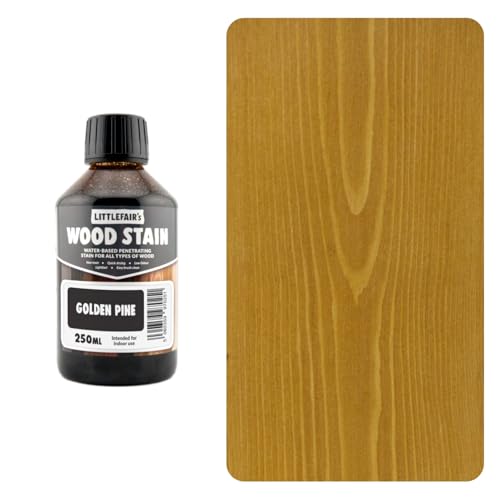
This Littlefair’s option concentrates on a golden pine tone, enhancing warmth while preserving the wood grain. The water-based, eco-friendly formula dries quickly and maintains low odor, supporting efficient workflow for pine furniture, crafts, and decorative pieces. Like other Littlefair’s stains, it requires bare wood for optimal absorption to prevent running or blotching.
Buying Guide: Key Considerations For Pine Color Stains
- Wood type and prep: Pine’s light base benefits from stains that highlight grain without blotching. For best absorption, apply to bare wood after proper sanding and cleaning.
- Finish type: Water-based stains dry fast and emit low odor, ideal for indoor spaces. Oil-based or hard wax finishes offer different levels of durability and sheen; choose based on use and location.
- Color depth and tone: Pine accepts lighter, warm tones well, but deeper colors may require multiple coats or tinting. Test colors on scrap pine or an inconspicuous area using Rubio Monocoat samples or PureColor swatches to preview results.
- Drying time and recoat windows: Quick-dry formulas enable faster projects but ensure proper curing before heavy use. Gel stains provide more control and reduce runs on vertical surfaces.
- Application method: Brushes, rags, or pre-wet methods can impact evenness. Gel stains tend to be forgiving for beginners, while water-based stains require careful wiping for uniform color.
- Maintenance and care: After staining, pine surfaces can benefit from a compatible sealant or topcoat to protect against wear, especially in high-traffic areas or moisture-prone rooms.
- Environmental and safety considerations: Water-based formulas reduce volatile organic compounds (VOCs) and are safer for indoor use and families with sensitivities.
- Test and compatibility: If re-finishing existing finishes, some products may not adhere well. Always test on a small area before full application.
Choosing the right stain for pine involves balancing color ambitions with practicality. For antique or warm amber looks, Antique Pine and Golden Pine options from Littlefair’s or Furniture Clinic provide reliable results. If you prefer minimal drying time and cleaner application, consider Varathane’s gel stains or Rubio Monocoat’s sample system to preview color before full-scale staining. Each option on this list is designed to preserve pine’s natural beauty while delivering durable, aesthetically pleasing finishes.