If you’re seeking a non-toxic, clear varnish to protect and enhance acrylic paintings, rocks, and wooden projects, you’re in the right place. This guide highlights five top-rated options that dry clear, resist yellowing, and deliver a glass-like finish. Each pick suits different artists—from beginners to hobbyists to professionals—based on safety, drying time, and finish. Use the quick comparison table below to narrow your choice before diving into detailed product sections.
| Product | Best For | Key Benefit |
|---|---|---|
| Clear Acrylic Paint Sealer (MCTRHG Store) | All-around acrylic painters | Non-yellowing, self-leveling gloss |
| Bluebird Signature Gloss Varnish (BLUEBIRD Store) | Pro artists and hobby painters | Non-yellowing, enhances color, quick-drying |
| Nicpro Clear Acrylic Paint Sealer (Nicpro Store) | Rock, wood, canvas, and mixed media | High gloss, non-yellowing, fast-drying |
| Polyurethane Clear Wood Varnish (Anirun Store) | Wood furniture and small crafts | Water-based, built-in brush, long-lasting protection |
| GRANOTONE High Gloss Varnish (GRANOTONE Store) | Acrylic paintings and crafts | Crystal clear, non-yellowing, self-leveling |
Clear Acrylic Paint Sealer, High Gloss Varnish

The MCTRHG Store Clear Acrylic Paint Sealer provides a crystal-clear, wet-look gloss that makes acrylic colors appear richer and more vibrant. It is non-yellowing and forms a protective top coat against dust and moisture. The self-leveling formula minimizes brush marks and tacky residue, delivering a smooth, glass-like finish. Best for: artists seeking a high-gloss, non-yellowing seal over canvas, rocks, or wood crafts. Limitation: apply in thin, even coats to avoid streaks on textured surfaces.
Bluebird Signature Gloss Varnish for Acrylic Painting
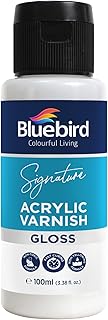
Bluebird’s Gloss Varnish is non-yellowing and non-toxic, designed to protect artwork from dust, moisture, and UV damage while enriching color depth. It dries quickly, enabling faster project turnover. Best for: pro artists and hobby painters who want a durable, vibrant finish without waiting long between coats. Limitation: check surface compatibility with very delicate media before application; ensure a clean, dry surface.
Nicpro Clear Acrylic Paint Sealer, 4oz

Nicpro’s 4 oz Gloss Varnish provides long-term sealing with a clear, tough film that enhances vibrancy while resisting dust and UV damage. The water-based, non-toxic formula dries to a flexible, non-tacky surface, making it suitable for various substrates including rock, wood, and canvas. Best for: artists seeking a safe, quick-drying finish with strong color pay-off. Limitation: ensure coats are thin to prevent a glossy buildup on textured surfaces.
Polyurethane Clear Wood Varnish 6.35 Oz

This water-based polyurethane varnish offers a built-in brush in a 2-in-1 design that reduces setup and cleanup. It deeply nourishes wood surfaces, hides scratches, and provides a clear, durable coating with water and stain resistance. Best for: indoor wood furniture and small crafts where a convenient, mess-free application matters. Limitation: designed for wood; may not be ideal for non-wood surfaces without testing.
GRANOTONE High Gloss Acrylic Varnish

GRANOTONE’s High Gloss Varnish delivers a crystal-clear, streak-free finish that enhances fine details. It is non-yellowing and self-leveling, making it suitable for canvases, rocks, wood, and clay crafts. Best for: beginners and experienced artists who want a glossy, durable topcoat that preserves color depth. Limitation: apply in thin coats to prevent pooling on uneven textures.
Buying Guide
- Finish vs. purpose: Choose a gloss varnish for vibrant, reflective surfaces; choose a satin finish if you prefer a subtler look and less glare.
- Non-yellowing: Prioritize products explicitly labeled non-yellowing to preserve artwork colors over time.
- Drying time: Quick-drying formulas reduce waiting between coats but may require careful handling to avoid brush marks.
- Surface compatibility: Confirm the product works with your substrate (canvas, wood, rocks, metal, etc.).
- Safety: Non-toxic and water-based options are best for indoor studios, especially when children or pets are present.
- Application technique: Look for self-leveling formulas or built-in tools (like a brush-head) to minimize brush marks and cleanup.
FAQ
- What is the main difference between gloss varnish and polyurethane?
Gloss varnish is typically used for art surfaces to enhance color and provide a clear topcoat; polyurethane is often used on wood and may offer stronger protection and moisture resistance. - Are these varnishes safe for kids’ projects?
Many listed options are non-toxic and water-based, making them safer for family use; always check the product label for safety claims. - Will varnish yellow over time?
Non-yellowing formulations are designed to minimize color shift, but exposure to UV light can still affect some finishes over long periods. - How many coats should I apply?
Start with thin coats; allow full drying between applications and add additional light coats to build depth without pooling. - Can I seal painted rocks with varnish?
Yes, several products are suitable for rocks, canvas, and other porous surfaces; test on a small area first. - Is a built-in brush better than using a separate brush?
Built-in brushes reduce cleanup and are convenient, but ensure the flow and texture meet your project needs.