Oil-based cabinet glazes offer rich depth, durability, and a traditional look that many DIYers prize. This guide highlights five excellent options and explains who each is best for. Ideal buyers include professional remodelers, hobbyists refinishing heirloom furniture, and homeowners seeking a durable, easy-to-clean finish for kitchen or bathroom cabinets.
Summary table of chosen products:
| Product | Best For | Key Benefit |
|---|---|---|
| General Finishes Arm-R-Seal Oil Based Topcoat | Durable clear topcoat for wood cabinets | High build, tough protection |
| Furniture Paint Kit 16oz with Tools – Aleutian | Low-odor, no-sanding indoor/outdoor cabinets | Water-based, easy cleanup |
| Rust-Oleum Chalked Semi-Transparent Aged Glaze | Antique look on painted surfaces | Flexible, easy to manipulate |
| Rust-Oleum Transformations Decorative Glaze | Handcrafted, semi-transparent finish | Long open time for detailing |
| Rust-Oleum Chalked Decorative Glaze Aged 7 oz. | Quick, easy aging on chalked surfaces | Simple brush-and-wipe application |
General Finishes Arm-R-Seal Oil Based Topcoat

Arm-R-Seal is best for those who need a durable, hard-wearing finish over wood cabinets. It provides excellent surface protection and a warm, amber-tinted gloss that enhances natural grain. Suitable for high-traffic kitchens, it’s a solid choice for professionals and serious DIYers who want long-lasting results. Caution: ensure proper ventilation and follow product data sheet directions for compatible substrates.
Furniture Paint Kit 16oz with Tools – Aleutian
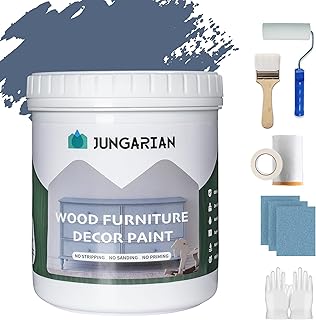
Aleutian Furniture Paint Kit is best for buyers seeking a low-odor, water-based option that requires no sanding or priming. It’s ideal for cabinets, doors, tables, and dressers in indoor or outdoor settings. The kit includes tools for faster setup. Limitation: because it is water-based, it may not deliver the same amber depth as oil-based topcoats, but it reduces fumes and cleanup time.
Rust-Oleum Chalked Semi-Transparent Aged Glaze

Rust-Oleum Chalked Semi-Transparent Aged Glaze is designed to create antique or weathered looks over chalked paint. Best for homeowners who want a simple, forgiving aging step over existing chalked surfaces. It’s best used on clean, fully cured surfaces that have already been painted with chalked paint. Caution: its transparency means it’s more about effect than heavy color change, and coverage depends on the base coat.
Rust-Oleum Transformations Decorative Glaze

Rust-Oleum Transformations Decorative Glaze offers a semi-transparent antique finish with a long open time for detailing. It is best for painted wood, laminate, melamine, or metal surfaces requiring a handcrafted aged look. Best for DIYers who want more control over shading and a relaxed working time. Limitation: requires a fully cured, non-glossy painted substrate for best results.
Rust-Oleum Chalked Decorative Glaze Aged 7 oz.
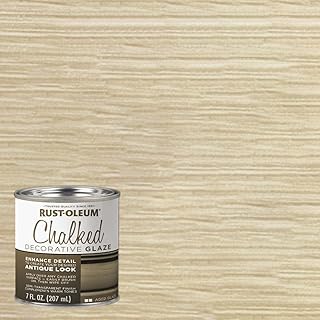
Rust-Oleum Chalked Decorative Glaze Aged provides a quick aging option on chalked finishes. It is best for projects where a fast, simple aging step is desired. Apply over Chalked surfaces using a brush or spray and wipe to the desired look. Caution: coverage can vary with technique, so test on a small area first.
Buying Guide: Oil-Based Glazes For Cabinets
Oil-based glazes and topcoats offer depth and durability that many homeowners value for cabinetry. When choosing, consider these questions:
- What is my cabinet substrate? Wood species, previously painted surfaces, and gloss level affect glide and adhesion.
- Do I need durability or color depth? Arm-R-Seal provides strong protection; glazes like Rust-Oleum Transformations emphasize antique effects.
- What is my environment? High-traffic kitchens may benefit from a robust topcoat; living spaces may tolerate longer open times for detailing.
- How important is odor and cleanup? Water-based options reduce fumes and simplify cleanup, though they may not match oil-based depth.
- What is my experience level? Semi-transparent glazes require more technique for even shading; beginners may prefer simpler chalk-based products.
Practical tips for applying oil-based glazes on cabinets include proper surface prep (clean, dry, and deglossed), adequate ventilation, and cutting back on dust during curing. Use thin coats and allow complete curing between steps for best longevity. For color or depth control, work in small sections and test with a sample board before proceeding to the full project.
Frequently Asked Questions
- What is the difference between oil-based glaze and topcoat? An oil-based glaze adds color and depth over paint or stain, while a topcoat protects the surface after glazing.
- Is oil-based glaze better for cabinets than water-based? Oil-based products typically offer more durability and a warmer finish, but require longer cure times and ventilation.
- Can I use glaze over existing varnish or polyurethane? Preparation is essential; most glazes require a clean, dry, non-glossy surface for good adhesion.
- How long does glaze take to dry? Dry and recoat times vary by product; follow the manufacturer’s data sheet for specific guidance.
- Do I need to seal a glaze with a topcoat? Yes, most glazes should be finished with a compatible topcoat to protect the glaze layer and surface.
- Can I achieve an antique look with glazes on cabinets? Yes, especially with semi-transparent and aged glazes designed for antique finishes.