Choosing a wood preservative designed for below-ground or ground-contact use helps extend the life of decks, docks, and structures that sit near soil or water. This guide reviews five top options, highlighting how they protect against rot, insects, and moisture while accommodating different application needs and environmental considerations.
| Product | Brand | Use Case | Key Benefit |
|---|---|---|---|
| Rust-Oleum 1904A Wolman CopperCoat | Rust-Oleum | Below ground/ground contact | Insecticidal protection and rot resistance with a natural green tint |
| Tenino Copper Naphthenate 17% (2% Cu) | Tenino | End-cuts and pressure-treated lumber | High copper concentration; meets AWPA M4, low VOC |
| Valhalla Wood Preservatives 5-Gallon | VALHALLA WOOD PRESERVATIVES | Lifetime wood treatment for marinas, decks, houses | Non-toxic, eco-friendly, permanent wood modification |
| Valhalla Wood Preservatives 1-Gallon | VALHALLA WOOD PRESERVATIVES | Lifetime wood treatment | Non-toxic, eco-friendly, penetrates wood fibers |
| WOODLIFE 903-4PK Classic Above Ground Preservative | Wolman | Above-ground protection and end-cuts | Clear, deep-penetrating protection; suitable prep for coatings |
Rust-Oleum Wolman CopperCoat Green Wood Preservative
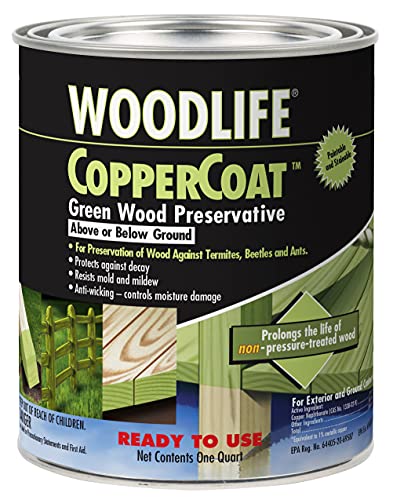
Rust-Oleum’s CopperCoat provides EPA-registered exterior protection designed for below-ground and ground-contact wood. The product’s copper-based formula helps deter termite and wood-boring insect attacks while defending against rot and decay. The transparent, natural green coloration preserves the wood’s appearance while offering long-lasting protection for untreated or pressure-treated lumber exposed to moisture, soil, or fresh water contact. Applications include decks, fences, seawalls, and other exterior structures in contact with the ground or water. Features include insecticidal action, rot prevention, and suitability for multiple installation types. Use as a primary preservative where below-ground exposure is anticipated, and recoat according to project needs.
Tenino Copper Naphthenate 17% Wood Preservative

This ready-to-use copper naphthenate formulation contains 17% copper (2% as metal) and meets AWPA M4 standards. It’s designed for end-cuts on pressure-treated lumber and is often required by building codes for wood used in exposed or ground-related conditions. The product emphasizes low VOC emissions and domestic sourcing, reflecting a focus on environmental considerations. Ideal for end-cuts on decks, fencing, or structural connections where moisture exposure from soil or water is a concern, with a strong emphasis on code compliance and long-term protection against decay and insect activity.
Valhalla Wood Preservatives 5-Gallon Lifetime Treatment
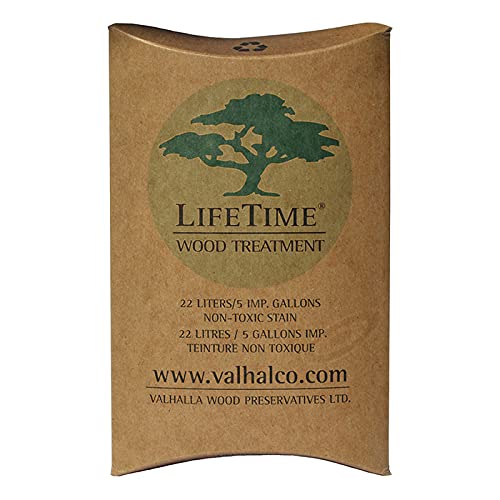
Valhalla’s five-gallon eco-friendly, non-toxic wood treatment is designed for long-term protection of marinas, houses, and decking. The natural substances penetrate deep into wood fibers, permanently modifying the wood’s structure to resist rot and insect damage. It’s marketed as a lifetime treatment, with an emphasis on sustainability and safe handling. While formulated for broad exterior use, it is particularly suitable for projects where environmental impact and user safety are a priority, including boats, docks, and outdoor living spaces.
Valhalla Wood Preservatives 1-Gallon Lifetime Treatment

This one-gallon option provides the same eco-friendly, non-toxic lifetime wood treatment as its larger sibling, with a focus on smaller projects or tighter budgets. It penetrates wood fibers to permanently modify the wood structure, offering durable protection for marinas, houses, and decking. The product is positioned for safe handling and broad exterior use, making it a practical choice for homeowners addressing ground-relative exposure without compromising environmental considerations.
WOODLIFE 903-4PK Classic Above Ground Preservative

WoodLife 903-4PK provides classic above-ground protection with a clear appearance and deep penetration. While marketed for above-ground use, it can be part of a broader treatment strategy where initial protection is applied before moisture exposure or as a primer prior to finishing coats. The product is designed to protect decks, porches, and end-cuts, covering roughly 150 square feet per gallon, and offers a transparent, durable finish suitable for natural wood aesthetics while helping mitigate moisture-related damage.
Buying Guide: Key Purchase Considerations
- Exposure and use case: For below-ground or ground-contact wood, prioritize products explicitly labeled for ground contact, soil exposure, or underwater conditions. Insecticidal properties and rot resistance are critical in these environments.
- Copper-based vs. non-toxic options: Copper naphthenate formulations provide strong protection and code compliance, while eco-friendly non-toxic treatments focus on safety for people and aquatic ecosystems. Balance performance with environmental impact and project specifics.
- End-cuts and installation: Some products are recommended for end-cuts or specific installation methods (e.g., dip treatments). Ensure compatibility with your project’s construction and subsequent coatings.
- Color and finish: Some preservatives are transparent or clear, preserving natural wood tone, while others add color or tint. Consider whether you want to maintain a natural look or apply paint/stain later.
- VOC and regulatory considerations: Check VOC levels and local building codes. Higher copper concentrations may have different regulatory implications depending on location and usage.
- Application and maintenance: Evaluate whether the product requires dilution, multiple coats, or reapplication intervals. Some options serve as primers to extend top-coat life, while others offer lifetime protection.
- Environmental and safety factors: For marine or marina applications, emphasize eco-friendly formulations with low environmental impact and safer handling instructions for users and wildlife.
When selecting a below-ground wood preservative, align the product’s protective capabilities with your specific environment—soil contact, fresh water exposure, or high-moisture conditions—and consider compatibility with any planned coatings or finishes. The options above offer a spectrum of protection levels, environmental considerations, and installation methods to fit diverse exterior projects.