Looking to Freshen up your garage walls with a durable, easy-to-clean finish? This guide highlights five interior paints that perform well on garage walls, concrete blocks, and masonry, while keeping odors low and application straightforward. The top picks suit different needs: sealing moisture-prone basements, simplifying DIY projects with ready-to-use formulas, and delivering a wipeable surface for high-traffic spaces. The table below summarizes the standout products and who they’re best for.
| Product | Best For | Key Benefit |
|---|---|---|
| KILZ Basement and Masonry Waterproofing Paint | Basement walls, masonry, concrete blocks | Water barrier with alkali resistance |
| KILZ 1-Part Epoxy Acrylic Concrete & Garage Floor Paint | Garage floors and concrete surfaces | Durable epoxy acrylic formula |
| Rust-Oleum Dry Door & Trim Paint (White) | Interior doors/trim, metal or wood accents | Fast-drying, low-odor, satin finish |
| DWIL White Wall Paint 32 oz | General interior walls and ceilings | Low odor, fast drying, easy cleanup |
| Glidden Total Interior Wall Paint & Primer | Interior walls with one-coat convenience | All-in-one primer and paint |
Below are detailed product sections to help you compare options side by side. Each section notes best-for scenarios, why the product was selected, and a cautious note when applicable.
KILZ Basement and Masonry Waterproofing Paint
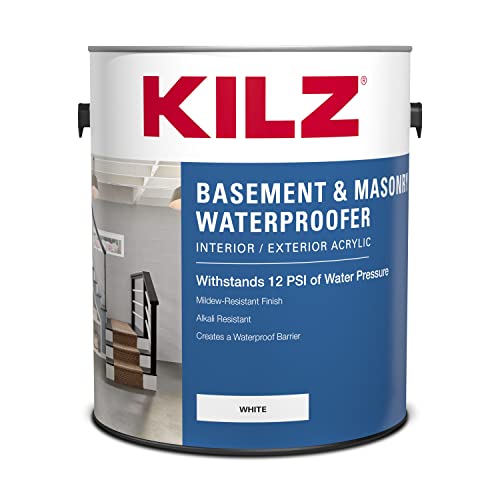
This paint is designed for concrete, brick, and masonry walls in basements and outdoor structures. It offers a nanotechnology-based water barrier to reduce water infiltration on vertical surfaces. Best for: spaces with moisture concerns, such as unfinished garage walls that need added protection. Limitation: not intended for floors or areas with active leaks; prepare surfaces and address leaks before painting.
KILZ 1-Part Epoxy Acrylic Concrete & Garage Floor Paint

Though marketed for floors, this epoxy acrylic formula is frequently suitable for garage concrete surfaces and high-traffic areas. Best for: garage floors and adjacent areas where resistance to hot tire pickup, scuffing, and chemical exposure matters. Limitation: not ideal for vertical walls or areas subject to hydrostatic pressure; use on properly prepared horizontal concrete surfaces.
Rust-Oleum Advanced Dry Door & Trim Paint (White)

This ready-to-use, water-based door and trim paint is suitable for interior doors, trim, and other interior metal, wood, or fiberglass surfaces. Best for: garage entry doors, trim, or wall accents where a quick-drying, low-odor finish with good fade resistance is desired. Limitation: satin finish may show scuff marks more readily in high-traffic areas than a flat finish.
DWIL White Wall Paint (32 oz)
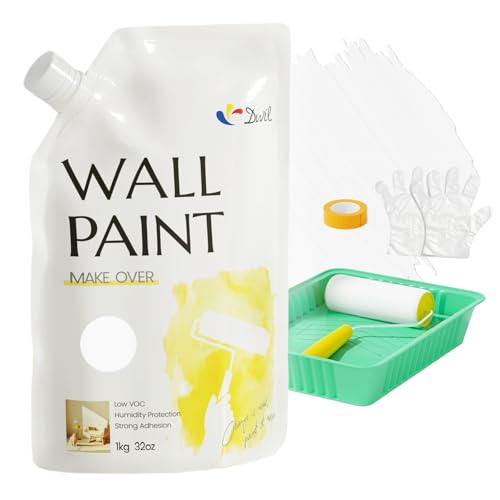
An all-purpose interior wall paint with low odor and quick drying. Best for: interior garage walls with a focus on easy cleanup and long-term durability against scratches and scuffs. Limitation: dry time can extend to full cure in a week; plan for longer project timelines in cooler conditions.
Glidden Total Interior Wall Paint & Primer All-in-One

This product combines primer and paint in one, delivering ease of use and solid hide on interior walls and ceilings. Best for: homeowners seeking an all-in-one solution for garage walls with fewer coats. Limitation: some users may prefer separate primer for very stained or glossy surfaces for enhanced coverage.
Buying Guide: Key Considerations For Painting Garage Walls
- Moisture resistance: Choose waterproof or moisture-tolerant formulas for basement or damp garage walls.
- Surface type: Masonry, concrete, wood, or metal surfaces may require different systems (epoxy, masonry paint, or standard latex).
- Finish balance: Satin and semi-gloss finishes are easier to clean; flat or eggshell hides imperfections but show wear sooner.
- Odor and VOCs: Low-VOC or water-based paints reduce odors and improve occupant comfort during and after application.
- Drying time: Quick-dry options speed up projects; consider full cure time for high-traffic or wet areas.
- Primer needs: Some products include primer; others may require a separate primer for best adhesion on problematic surfaces.
Frequently Asked Questions
- Q: Can I paint concrete basement walls with regular interior paint? A: For moisture-prone surfaces, choose a waterproofing or masonry paint designed for concrete to reduce moisture intrusion.
- Q: Is epoxy paint suitable for walls or just floors? A: Epoxy finishes are durable and suited for concrete floors; for walls, use masonry or acrylic paints designed for vertical surfaces.
- Q: Do I need a primer when using all-in-one paints? A: All-in-one paints provide primer, but heavily stained or glossy surfaces may still benefit from a separate primer.
- Q: How long should I wait between coats? A: Follow the product’s drying time; ensure the surface is clean and dry before applying the next coat.
- Q: Are low-odor paints safer for garages? A: Yes, low-VOC formulas reduce indoor odors and are more comfortable for occupied spaces during painting.
- Q: What finishes are easiest to clean? A: Satin and semi-gloss finishes resist staining and are easier to wipe down in a workshop or garage.