Finding the right rags for stain application is essential for achieving smooth, even finishes. This guide highlights durable white and colored rags ideal for staining wood, wiping excess stain, and prep work. Best for professional shops, hobbyists, and DIY enthusiasts, these selections balance absorbency, lint-free performance, and value. The table below compares five top options to help you choose quickly based on bundle size, material quality, and intended use.
| Product | Bundle / Size | Best For |
|---|---|---|
| SupremePlus Recycled White T Shirt Rags Box (10 lbs.) | 10 lbs | Staining wood, general shop cleanup |
| SupremePlus Recycled White T-Shirt Cleaning Rags (50.0 lbs. Box) | 50 lbs | Heavy stain work, large projects |
| Huck & Terry Multicolored T-Shirt Rags (50 lb Bag) | 50 lbs | Versatile cleaning, stain control with color variety |
| SupremePlus Premium New Lint Free Rags, 20″ x 20″ | 10 packs of 10 (200 pieces) | Lint-free wiping on delicate surfaces |
| A&A Wiping Cloth Recycled Cut White Flannel Rags, 25 Pound Box | 25 lbs | Conscious cleaning, general staining and polishing |
SupremePlus Recycled White T Shirt Rags Box
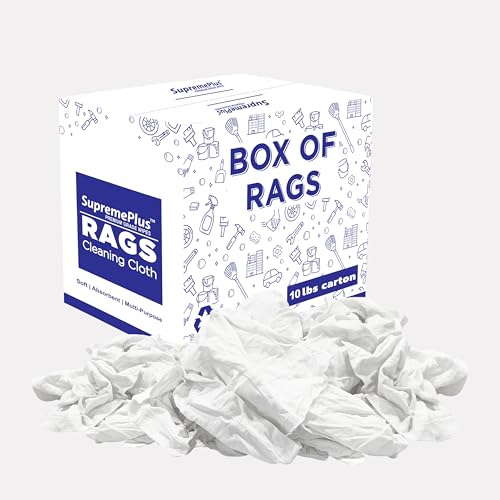
Features emphasize superior absorbency for quick spill pickup and versatile packaging options for field or shop use. Best for staining wood, cleaning machinery, and general shop tasks. Choose this if you want a cost-effective white rag option for regular stain work in a workshop. Caution: as with any cotton rag, fibers may shed slightly on highly glossy or polished surfaces; use a lint-free cloth for final wipe if needed.
SupremePlus Recycled White T-Shirt Cleaning Rags (50.0 lbs. Box)

This large bundle is ideal for heavy staining projects and routine maintenance in busy environments. Best for high-volume staining tasks, painting prep, and wiping excess finishes. Better for larger shops or contractors who need substantial supply. Limitation: bulk packaging can be cumbersome for smaller projects and may require frequent restocking in tight spaces.
Huck & Terry Multicolored T-Shirt Rags (50 lb Bag)

Colorful, lint-minimized rags designed from recycled knit fabric. Best for multi-task cleaning, staining, varnishing, and dusting. Better for projects where color-coded rags help prevent cross-contamination. Limitation: color mix may introduce dye transfer if used on very light finishes; consider a separate white rag set for critical finishing steps.
SupremePlus Premium New Lint Free Rags

Exact cut, lint-free white wiping cloths sized 20″ x 20″ offer consistent coverage with minimal fiber residue. Best for staining wood, staining finishes, glaze application, and delicate surface wiping where smudges are costly. Choose this if you need repeatable wipe performance on glass, metal, or polished surfaces. Caution: lint-free claim applies to surface finish; keep away from highly textured surfaces that may abrade delicate coatings.
AAwipes Recycled Cut White Flannel Rags, 25 Pound Box

Soft, absorbent flannel rags made from recycled cut white fabric. Best for general cleaning, polishing, and stain wiping with eco-conscious packaging. Suitable for projects where a balance of softness and absorption is desired. Limitation: recycled materials may vary in texture between batches; test for consistency on sensitive surfaces before large-scale use.
Buying Guide
What should I look for when selecting rags for stain application?
- Absorbency: Higher absorbency helps lift and control stain without excessive dripping.
- Linting: Lint-free or low-lint rags prevent fiber residue on finished surfaces.
- Material and finish: 100% cotton knit or flannel often works well for staining; avoid blends that shed fibers.
- Size and packaging: Larger rags reduce the need for frequent changes; consider bulk packs for apartments, garages, or shops.
- Color coding: Multicolored rags can help avoid cross-contamination between light and dark finishes.
- Reusability and washing: Reusable rags with durable construction save costs and reduce waste over time.
Practical tips for staining with rags
- Pre-wipe to remove dust and oils before applying stain for an even finish.
- Use separate rags for application, wiping excess, and final buffing to minimize streaking.
- Test stain on a hidden area before full coverage to judge absorption and color take.
- Dispose of heavily saturated rags safely according to local guidelines to prevent spontaneous combustion risk.
FAQ
- What rag material is best for oil-based stains? 100% cotton rags are generally preferred for good absorption and low lint.
- Are colored rags safe for staining light finishes? Yes, but verify dye transfer; use white rags for final wipe on pale surfaces if needed.
- Can I wash and reuse these rags? Most cotton rags are machine washable and reusable, extending their life.
- Should I pre-wash rags before first use? A light wash can remove loose fibers and dust from packaging.
- How should I store rags to prevent contamination? Keep them in a clean, dry container or bag, separated by intended use if possible.
- What size rag is ideal for staining large surfaces? Larger, lint-free rags (like 20″ x 20″) can cover more area quickly with even application.