Answering the buyer’s search, these high-heat paints are designed for automotive exhaust components, grills, engines, and other metal surfaces exposed to extreme temperatures. This guide highlights five reliable options, explains who each product is best for, and notes practical limitations to help choose confidently. Ideal buyers include DIY enthusiasts refinishing exhaust covers, professionals coating hot-murface parts, and car owners wanting durable, heat-resistant finishes.
| Product | Best For | Key Benefit |
|---|---|---|
| Rust-Oleum 248903 Automotive High Heat Spray Paint | Exhaust components and hot surfaces | Up to 2000°F, Stops Rust protection |
| Rust-Oleum 7778830 High Heat Enamel | Grills, stoves, radiators | Oil-based, quick-dry |
| Seymour 16-1201 Hot Spot Spray | Heavy-use grills and engines | Up to 1200°F, porcelain-like finish |
| VHT SP139 550° Engine Enamel | Engine blocks and headers | Urethane-ceramic blend, chemical resistance |
| Rust-Oleum 260771 High Heat Clear | Clear protection over coatings | Up to 2000°F ceramic coating |
Rust-Oleum 248903 Automotive High Heat Spray Paint, Flat Black
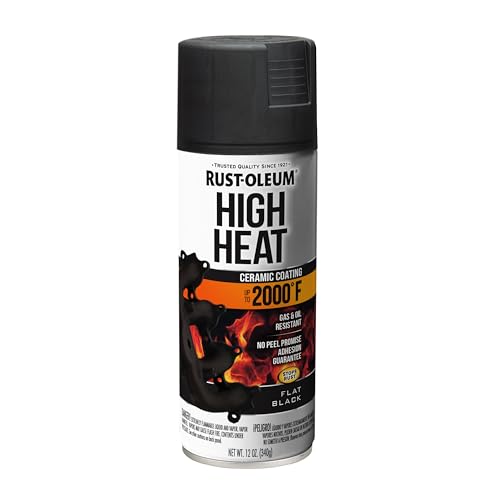
This enamel coating is designed for automotive parts and surfaces that experience intermittent high heat up to 2000°F. It provides a tough, rust-resistant finish and dries to touch in about 30 minutes. Coverage is roughly 10 sq. ft. per can, making it suitable for medium-sized exhaust components or heat shields. Best for do-it-yourselfers restoring metal parts exposed to heat and seeking durable, black matte aesthetics.
- Best for: Exhaust heat shields and under-hood parts needing corrosion resistance.
- Why chosen: Strong heat tolerance, rust protection, quick dry time.
- Caution: Surface must be clean and dry for optimal adhesion; avoid applying in high humidity or extreme cold.
Rust-Oleum 7778830 High Heat Enamel Spray Paint, Bar-B-Que Black

This oil-based enamel is formulated for exterior surfaces such as barbecues, wood-burning stoves, radiators, and other metal items subjected to heat up to 1000°F. It dries to the touch in about 30 minutes and covers roughly 7-8 sq. ft. per can. It’s a practical pick for projects where a traditional enamel finish is preferred and a moderate heat tolerance is sufficient.
- Best for: Exterior metal items exposed to heat, not continuous, ultra-high temperatures.
- Why chosen: Easy application, reliable heat tolerance, broad exterior use.
- Caution: Not designed for continuous exposure beyond 1000°F; avoid intimate contact with hot surfaces during curing.
Rust-Oleum 249340 Automotive 12-Ounce High Heat Primer Spray Paint, Gray
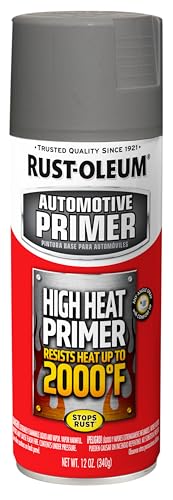
This high-heat primer is designed for metal surfaces like engines and mufflers, forming a rust-resistant base coat. It dries to the touch in about 30 minutes and can be topcoated after 1 hour. A good choice when preparing surfaces for a durable color finish and when the base coat needs superior adhesion and corrosion resistance.
- Best for: Providing a solid rust-resistant base on automotive metal parts.
- Why chosen: Improves adhesion of topcoats and enhances long-term durability.
- Caution: Primers may require adequate ventilation during application and curing.
Rust-Oleum Automotive High Heat Spray Paint Custom Spray 5-in-1

This 12 oz aerosol offers five spray patterns for versatility, designed for automotive parts subjected to intermittent heat up to 2000°F. It provides a durable ceramic coating with improved fade resistance and adhesion. It’s a flexible option when precise spray control matters or when coating irregular shapes near exhaust systems.
- Best for: Projects needing multiple spray patterns for varied contours.
- Why chosen: 5-in-1 spray options improve coverage on complex shapes.
- Caution: Best results come from shaking well and applying in light, even coats; avoid heavy builds that can trap moisture.
VHT SP139 550° Engine Enamel High Heat Spray

VHT engine enamel is formulated to withstand corrosion, rust, salt spray, and chemical exposure. The blend of urethane and ceramic resins offers a durable heat- and chemical-resistant finish for engines and engine accessories. It dries to touch in about an hour and cures fully overnight. It’s best for areas needing long-term resistance to automotive fuels and degreasers.
- Best for: Engine blocks, headers, and components requiring chemical resistance alongside heat tolerance.
- Why chosen: Proven durability under automotive chemical exposures and heat.
- Caution: Proper ventilation is essential; ensure surfaces are clean and degreased before applying.
Buying Guide: Key Considerations For Exhaust-Grade Paint
- Heat tolerance: Choose coatings rated for the highest expected temperatures on your exhaust or heat-exposed parts.
- Surface compatibility: Determine if the surface is metal, bare metal, or needs a primer for adhesion and rust resistance.
- Finish and appearance: Flat, satin, or clear coatings affect aesthetics and glare; consider the desired look.
- Drying and curing: Note dry-to-touch times and full cure requirements to plan application windows around vehicle use.
- Chemical and fuel exposure: Engine bays involve fuel, oil, and cleaners; select formulas with chemical resistance when applicable.
- Prep requirements: Proper cleaning, degreasing, and corrosion removal improve coating longevity.
- Safety and ventilation: Use in well-ventilated areas and follow product safety instructions for fume management.
Frequently Asked Questions
- How hot can these paints reliably withstand?
- Can I spray enamel over a primer-coated surface?
- Is clear high-heat coating better than color on exhausts?
- Do I need special prep before applying high-heat paint?
- Are these paints suitable for outdoor use?
- What’s the best way to apply paint on curved exhaust parts?
Most listed options tolerate up to 1000°F to 2000°F, with some variants designed for continuous exposure and others for intermittent use.
Yes, many high-heat paints can be topcoated after proper curing; follow the product’s recoat time for best adhesion.
Clear coatings protect underlying color and enhance heat resilience, but may not provide as dramatic a change in appearance.
Yes. Thorough cleaning, degreasing, and removing rust or old coatings improve adhesion and longevity.
Many are designed for exterior metal surfaces; verify each product’s intended environment and UV resistance if exposed to sun.
Use thin, even coats and consider a spray pattern with adjustable nozzle to reach tight areas without runs.