Answering buyers who want reliable oil-based color sets for canvas, portraits, landscapes, or classroom projects: the following five sets offer strong pigment, creaminess, and versatility. They suit serious hobbyists, students, and professionals who need consistent coverage and easy blending. The top picks include a mix of student-friendly sets and professional options, with varying tube sizes and pigment loads. This guide compares each option to help you choose based on color range, texture, and best-use cases.
Summary table of selected products:
| Product | Best For | Tube Size | Notable Strength |
|---|---|---|---|
| Ohuhu Oil Paint Set | Beginners to intermediate painters | 12 ml | Great value, broad color range |
| Magicfly Oil Paint 40 Colors | Versatile palettes, mixed media | 18 ml | Rich pigments and extra whites |
| Winsor & Newton Winton 20 x 12 ml | Beginners to enthusiasts | 12 ml | Quality pigment, uniform texture |
| Paul Rubens Oil Paint 20 Colors | Artists seeking creamy texture | 50 ml | High saturation, smooth blending |
| Mont Marte Premium Oil Paint | Studio use, larger projects | 100 ml | High pigment load, wide range |
Ohuhu Oil Paint Set: 24 Colors
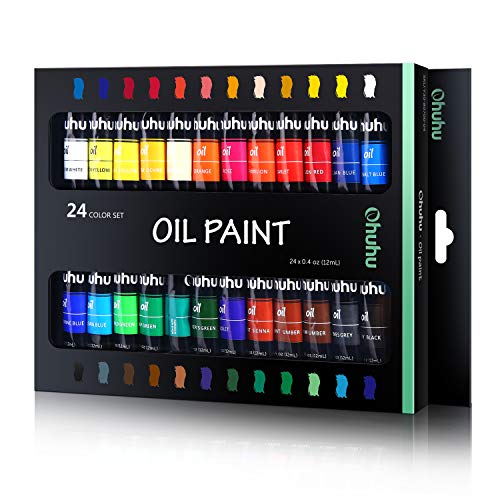
Best for beginners and students who want a broad palette without a high price. This 24-color set includes essential tones like Titanium White, Ultramarine Blue, and Burnt Umber for landscapes, portraits, and still life. The tubes are 12 ml, offering solid coverage for learning and small projects. The non-toxic formulation is suitable for classroom environments and aspiring artists exploring oil painting.
Who it’s best for: beginners, hobbyists, and classrooms seeking affordable, ready-to-use oils. Why selected: value-packed color range and travel-friendly tubes support learning and practice. Caution: pigment depth may vary by color, and some lighter tones may require multiple coats for strong coverage.
Magicfly Oil Paint, 40 Colors

Best for artists who want a comprehensive palette, including metallics, with creamy texture and reliable coverage. The 40-color set includes primary colors and extra whites for mixing rich tones. It adheres to standard safety guidelines and offers thick, non-fading pigments that stay vibrant over time. The 18 ml tubes provide generous painting sessions and smooth blending on canvas.
Who it’s best for: professionals and dedicated hobbyists needing diverse color options. Why selected: broad color family, strong tinting strength, and smooth application. Caution: some colors may require careful cleanup to prevent staining on lighter surfaces.
Winsor & Newton Winton Oil Color Set, 20 x 12 ml

Best for beginners who want dependable, consistent color with straightforward blending. The Winton line is known for a slightly stiffer consistency that holds brush and knife strokes well, making it suitable for landscapes and large areas. This 20-color set emphasizes pigment load and color retention, with a balance between quality and affordability.
Who it’s best for: learners and students building technique, plus hobbyists who value uniformity. Why selected: good pigment load and uniform consistency support easy mixing and predictable results. Caution: not as buttery as some heavy-body oils; may require more solvent or medium for advanced glazing.
Paul Rubens Oil Paint: 20 Colors

Best for artists seeking a creamy texture and strong covering power at a practical price. The 20-color set uses high-pigment materials to deliver vibrant results with easy blending and durable brush marks. It’s designed for landscapes, portraits, and still life, with a wide color range to support color mixing. Tubes are large (50 ml) for longer studio sessions.
Who it’s best for: students, beginners, and intermediate artists who want large tubes and rich color. Why selected: high saturation and smooth blending, with long-lasting freshness. Caution: larger tubes require sufficient storage space and careful cap maintenance to prevent drying.
Mont Marte Oil Paint Premium
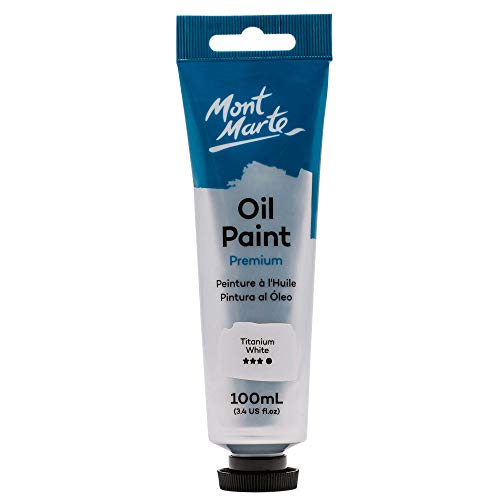
Best for studios and larger painting projects with a broad color spectrum. Mont Marte offers 47 rich colors in a heavy body paint range with good coverage and strong tinting strength. The 100 ml tubes are well-suited for artists who work on expansive canvases and require consistent color performance across large areas.
Who it’s best for: serious painters and studio use where volume and pigment load matter. Why selected: excellent pigment load and a wide color range support complex compositions. Caution: heavy body oils can be harder to mix with solvents; adjust mediums accordingly for glazing techniques.
Buying Guide: Oil Based Paint Sets For Different Needs
What should I look for in oil paints?
- Pigment load and lightfastness: Higher pigment content generally yields richer color and better coverage.
- Consistency: Heavy-body oils hold brushstrokes; softer oils are easier to blend for smooth shading.
- Medium compatibility: Check if the set is designed to work with common oil mediums and solvents.
- Tube size: Larger tubes mean longer project sessions; smaller tubes are good for experimenting with palettes.
Best uses by set type
- Beginners: Look for sets with a broad color range, manageable tube sizes, and non-toxic formulations (e.g., Ohuhu).
- Portraits and fine detail: Choose pigments with excellent tinting strength and smooth blending (e.g., Paul Rubens, Mont Marte).
- Landscape and large canvases: Prioritize high pigment load and color variety to cover large areas efficiently (e.g., Mont Marte, Winsor & Newton Winton).
- Gift or classroom use: Non-toxic, easy-to-use sets with a wide color range are ideal (e.g., Ohuhu, Magicfly).
Color range and color theory considerations
- Primary colors and a good selection of earth tones enable broad mixing for warm and cool palettes.
- Metallics can expand effects but aren’t essential for all projects; consider whether you need them for gilding or decorative work.
Care and maintenance tips
- Seal and store tubes upright to prevent pigment separation and drying around the caps.
- Clean brushes promptly after painting to maintain brush quality and colors integrity.
- Use appropriate solvents and mediums as needed to achieve glazing, blending, or impasto effects.
FAQs
- Q: Are oil paints safe for beginners and kids? A: Many sets are labeled non-toxic and suitable for classroom use, but check the product’s ASTM or safety notes.
- Q: What size tubes are best for learning? A: 12 ml to 18 ml tubes are convenient for practice and small projects; larger tubes suit ongoing studio work.
- Q: Should I choose a small or large color range? A: A moderate range (20–40 colors) is enough to learn color mixing; add more colors as you progress.
- Q: Do these sets require mediums or solvents? A: Some sets are designed to work with standard oil mediums; always follow the manufacturer’s recommendations for best results.
- Q: Can I use acrylic brushes with oil paints? A: It’s best to use brushes designated for oil paints to prevent material buildup and bristle damage.
- Q: Which set is best for travel? A: Sets with compact tubes and lighter weights, like Ohuhu, are particularly travel-friendly.