When selecting an acrylic enamel paint thinner, the right choice depends on your project, equipment, and workflow. This guide highlights five top products that balance thinning performance, compatibility, and ease of use for hobbyists, modelers, leather and fabric crafters, and light auto refinishing jobs. Each option is chosen for clear thinning behavior, smooth flow, and predictable results. The table below summarizes who each product best serves to help you compare at a glance.
| Product | Best For | Notes |
|---|---|---|
| Micro-Mark Thinner – 8 oz | Precision model painting, hobbyists | Versatile, water-based thinning with good control |
| Nicpro Professional Airbrush Thinner, 8.45 oz | Airbrush applications, fine detail | High flow, compatible with most acrylics |
| Angelus 2-Thin Acrylic Paint Thinner, 4 fl oz | Leather, fabric, and airbrush applications | Preserves paint flexibility after drying |
| Testors Enamel Paint Thinner, 0.25 Oz | Thin enamel paints, brush cleaning | Simple, direct thinning and brush cleanup |
| Restoration Shop UR70 Medium Urethane Reducer | Automotive urethane enamel and basecoats | Mid-temperature reducer for 70–85°F conditions |
Micro-Mark Thinner – 8 oz

Best for: Precision model painters who need reliable thinning for water-based acrylics. Micro-Mark Thinner offers consistency control to adjust brush-on paints for smooth, uniform application. It supports compatibility with Micro-Mark products and other brands, giving users flexibility to achieve preferred thinning levels. This makes it a solid all-rounder for detailed miniature work and small crafts.
Why selected: The thinner emphasizes consistency and versatile compatibility, enabling precise control over paint viscosity and flow. It can produce different effects by varying thinning levels, which is valuable for fine lines and controlled washes on models and crafts.
Cautions: Start with small amounts to dial in your desired viscosity. Over-thinning can reduce pigment coverage and color depth on intricate surfaces.
Nicpro Professional Airbrush Thinner
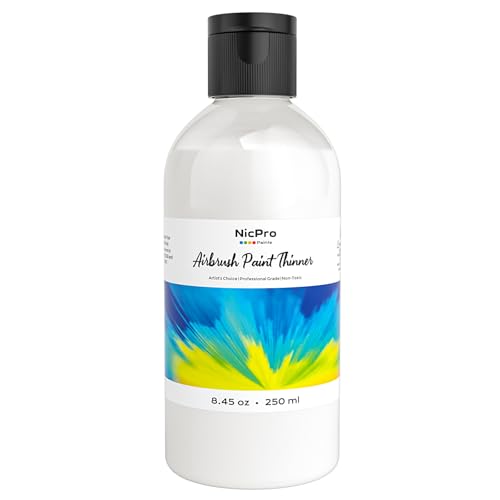
Best for: Airbrush users needing high flow and smooth paint transitions. This thinner is designed to work with all acrylic paints and reduces viscosity to improve flow and transparency without sacrificing adhesion or durability. It minimizes clogging, which is crucial for fine detail in model work and small surface coverage.
Why selected: Its broad compatibility and non-toxic formulation align with hobbyist and professional airbrush needs. The product helps achieve smoother lines and consistent coats, especially under high-precision conditions.
Cautions: Use in a well-ventilated area and follow local safety guidance. Avoid excessive thinning that can compromise coverage or color saturation on dense surfaces.
Angelus 2-Thin Acrylic Paint Thinner

Best for: Leather and fabric projects that require flexible dried finishes. Angelus 2-Thin effectively reduces paint viscosity for smooth application, especially when using airbrush methods. It also helps prevent clumping on mesh or cloth surfaces, improving uniform coverage during long sessions.
Why selected: It maintains paint flexibility after drying, which is essential for materials that bend or stretch. This quality helps prevent cracking or cracking-like issues on flexible substrates.
Cautions: Works best when used with Angelus paints but can be used with other acrylics in moderated amounts. Over-thinning may lead to higher translucency and longer drying times on some fabrics.
Testors Enamel Paint Thinner

Best for: Enamel paints that require thinning and brush cleaning in one product. This thinner is specifically designed to thin enamel paints and clean brushes after completing projects, making it convenient for small-scale enamel work and hobby crafts.
Why selected: It straightly supports thinning and brush cleanup, which is efficient for routine enamel painting tasks. It’s a straightforward choice when you want a single product for thinning and maintenance.
Cautions: Suitable for enamel systems; avoid using with non-enamel acrylics to prevent incompatible results.
Restoration Shop UR70 Medium Urethane Reducer

Best for: Automotive urethane enamel and basecoat workflows that require controlled viscosity and mid-range temperature performance. UR70 is formulated as a mid-temperature reducer for use with urethane-based paints, primers, and clearcoats within the 70–85°F range.
Why selected: It helps manage viscosity for various urethane systems, aiding spray consistency and film formation in automotive refinishing contexts. The product supports the broader urethane line from Restoration Shop, enabling cohesive workflows.
Cautions: Real-world results depend on room temperature; avoid using in extreme heat or cold without testing viscosity first.
Buying Guide
What should you consider when choosing a thinner?
Compatibility with your paint system is critical. Check whether the thinner is designed for acrylics, enamels, or urethane-based systems and whether it works with your specific brand of paints. Consider the viscosity you need for your toolset, such as airbrush vs. brush work, and whether you require extra features like brush cleaning.
How do you determine the right thinning ratio?
Begin with small adjustments and test on a sample area. For airbrush work, thinner is usually added gradually to achieve a smooth, atomizable flow. For brushes, you may need slightly thicker thinning to prevent flooding and ensure even coverage. Follow manufacturer guidelines when available and adjust based on observing film buildup and dry time.
Are there safety and compatibility considerations?
Use in well-ventilated spaces and follow label directions for safe handling. Some thinners are non-toxic or compliant with standards like ASTM D4236, but you should still avoid ingestion or prolonged skin contact. Ensure the thinner is compatible with the substrate (leather, fabric, metal, plastic) to avoid surface imperfections.
Practical tips for buyers
- Choose a thinner that matches your primary painting surface (fabric, leather, model plastics, metal).
- Prefer multi-brand compatibility if you work with different paint lines.
- Consider a larger bottle if you perform large-volume thinning or pouring projects.
How to compare options quickly
- Best for precision models: Micro-Mark Thinner.
- Best for airbrushing: Nicpro Professional Airbrush Thinner.
- Best for leather and fabric: Angelus 2-Thin.
- Best for enamel cleaning: Testors Enamel Paint Thinner.
- Best for automotive urethane use: Restoration Shop UR70 Medium Urethane Reducer.
FAQ
- What thinning ratio should I start with for enamel paints? Start with a small amount, such as a 10–20% thinner to paint ratio, and adjust based on observing flow and coverage.
- Can I use any thinner with any acrylic or enamel paint? Not always. Some brands require specific reducers to maintain adhesion and gloss; always check manufacturer recommendations.
- Is a thinner the same as a brush cleaner? Not exactly. Some products double as cleaners for enamel brushes, but thinning is for adjusting viscosity for painting, not cleaning.
- Are water-based thinners safe for indoor use? Many are designed to be low-odor and water-based, but always ensure proper ventilation and follow label safety guidance.
- Should I thin for airbrushing more than for brush work? Yes, airbrushing typically requires a higher level of thinning to achieve atomization and even spray patterns.
- Can I mix thinners from different brands? It can be risky; mixing may alter drying times and adhesion. Use brand-matched thinners when possible.