If you’re searching for 5 inch colonial baseboards, you want products that combine classic style with easy installation. This guide highlights five solid choices, each offering a distinct balance of durability, finish, and install method. The selections are best for homeowners doing DIY updates, renovators restoring traditional interiors, and property managers seeking low-maintenance baseboard solutions. Below is a quick buying table to compare key attributes of the featured products.
| Product | Material | Height | Length | Install Type |
|---|---|---|---|---|
| Raycity Vinyl Baseboard Trim | PVC Vinyl | 5 inches | 20 feet | Peel-and-stick |
| EWBB12 Colonial Baseboard – Maple | Unfinished Maple Hardwood | 5-1/4 inches | 42 inches | Nail or Glue (unfinished) |
| EWBB12 Colonial Baseboard – Red Oak | Unfinished Red Oak | 5-1/4 inches | 42 inches | Nail or Glue (unfinished) |
| EWBB12 Colonial Baseboard – Sapele Mahogany | Unfinished Sapele Mahogany | 5-1/4 inches | 42 inches | Nail or Glue (unfinished) |
| PRO FLEX White Vinyl Wall Base | Vinyl | 5 inches | 20 feet | Peel-and-stick |
Raycity Vinyl Baseboard Trim, 5 Inch

Best for: Budget-conscious DIY projects where quick installation matters. The Raycity baseboard uses premium PVC material that is flexible, durable, and scratch-resistant, designed to resist daily wear from kids, pets, and furniture. Its peel-and-stick format allows fast coverage of gaps between walls and floors, reducing dust buildup and concealing imperfections.
Why it’s chosen: It combines a 5″ profile with a flexible edge that helps fit irregular corners, providing full coverage with minimal cutting. The smooth surface cleans easily with a damp cloth, and its corner protection helps minimize maintenance costs over time.
Limitation: Peel-and-stick installation may not be as secure on rough or highly textured walls; consider additional adhesive or nail reinforcement for high-traffic areas.
EWBB12 Maple Colonial Baseboard (5-1/4″)

Best for: Restoration projects or new builds seeking a crisp, traditional colonial profile in a natural maple finish. The maple option is unfinished, offering a blank canvas for staining or painting to match existing trim.
Why it’s chosen: Solid hardwood from the Maple family provides durability and a classic crest line that complements period interiors. Being unfinished, it enables precise color matching to nearby woodwork.
Limitation: Unfinished wood requires additional finishing steps and might be more susceptible to moisture-related swelling if not properly sealed.
EWBB12 Red Oak Colonial Baseboard (5-1/4″)

Best for: Homes with warm, reddish undertones in trim or for matching existing oak features. This red oak option offers a traditional look with strong grain patterns.
Why it’s chosen: Red oak is widely used in colonial-style interiors for its classic appearance and durability in unfinished form, enabling color customization.
Limitation: Like other unfinished woods, it needs proper sealing to prevent staining from moisture and dirt exposure over time.
EWBB12 Red Oak Colonial Baseboard – Sapele Mahogany

Best for: High-end interiors that favor a deeper, darker wood tone and premium grain character. The Sapele mahogany option provides a distinct elegance and a premium finish when stained.
Why it’s chosen: Sapele mahogany offers a refined look with strong durability, suitable for heritage-style homes requiring authentic wood detail.
Limitation: Higher cost than common hardwoods and may require careful staining to achieve consistent color across lengths.
PRO FLEX White Vinyl Wall Base
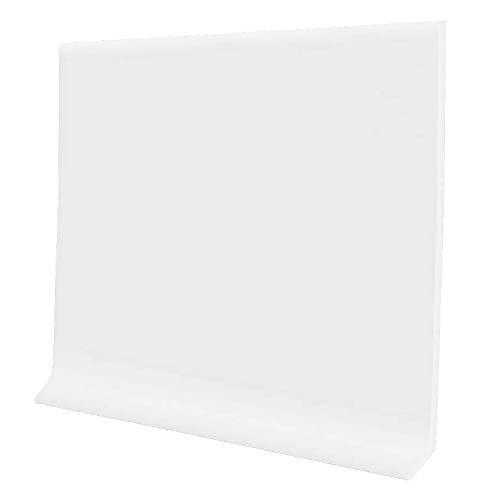
Best for: Commercial or busy residential spaces where quick, clean installations are valued. The vinyl baseboard is designed for residential and commercial use with a smooth cove profile and toe.
Why it’s chosen: The peel-and-stick vinyl base provides a durable, flexible, and low-maintenance option that resists cracks and peeling in high-traffic areas. It creates a neat wall-to-floor transition and offers a modern, low-profile aesthetic.
Limitation: Vinyl may not accept stain or paint; color choices are limited to the factory white, which may affect match with stained trims in some interiors.
Buying Guide: 5 Inch Colonial Baseboard Essentials
- Material matters: For unfinished woods (maple, red oak, beech, sapele), plan for staining or painting and sealing to protect against moisture. Vinyl options excel in durability and ease of installation but are less adaptable to color changes.
- Installation method: Peel-and-stick is fastest for DIY projects but may require extra adhesive in humid spaces. Nail or glue installations offer a more secure fit for traditional wood trims, especially in high-traffic areas.
- Height and profile: A 5-1/4″ profile projects more visually and pairs well with taller baseboard boards and traditional molding details. A 5″ option provides a slightly subtler look.
- Finish and color matching: Unfinished woods require finishing work. If you’re restoring a historic or colonial interior, aim for species and tones that echo existing trim to maintain authenticity.
- Durability and maintenance: Vinyl bases are highly resistant to scratches and easy to clean. Wood bases look more authentic but demand moisture control and routine maintenance.
- Affordable vs premium: Vinyl options generally offer the best value and fastest results, while solid hardwoods provide authentic texture and a premium aesthetic for traditional interiors.
Frequently Asked Questions
- What height is typically best for colonial interiors?
Most traditional rooms use 5-1/4″ to 5-1/2″ profiles to balance wall height and the ceiling line with classic molding details.
- Can I install vinyl baseboards over existing baseboards?
Yes, if the surface is clean and smooth. Peel-and-stick vinyl can cover minor irregularities, but excess height or uneven edges may require trimming or alternative installation methods.
- Is unfinished wood suitable for bathrooms or kitchens?
Unfinished wood is not ideal for moisture-rich areas unless properly sealed and protected; consider vinyl or pre-finished options in wet zones.
- How do I maintain stained wood baseboards?
Wipe regularly with a damp cloth and use appropriate wood finishes or sealants. Avoid abrasive cleaners that could damage the finish.
- Which baseboard is easiest for beginners?
Vinyl peel-and-stick bases like Raycity or PRO FLEX are typically easiest for beginners due to no-mess installation and quick coverage.