When you need to patch drywall, you want a kit that’s simple, durable, and gives a clean finish. This guide highlights five top drywall patch kits, chosen for different repair needs—from small nail holes to large wall damage. The best pick depends on patch size, material, and whether you prefer a ready-to-use paste or pre-cut patches. Read on to find the right kit for your project and skill level. A quick buyer’s table is provided to compare key details at a glance.
| Product | ||
|---|---|---|
| Bates- Drywall Repair Kit, 16 pcs | Aluminum self-adhesive patches | Medium repairs and quick loads, DIY homeowners |
| Drywall Repair Kit, Drywall Hole Patch Repair Kit Spackle | Water-based repair putty, patch and fill | Small to medium holes with easy smoothing |
| Drywall Repair Kit,2 Pack Wall Mending Agent | Patch paste with scrapers and sandpaper | Versatile, quick-dry solution for various hole sizes |
| Drywall Repair Kit, Drywall Patch Kit 12”x12” | Large patch sheet with tools | Large holes and professional-looking finishes |
| Drywall Repair Kit, Drywall Hole Patch with Putty | Putty and aluminum patches | All-in-one option for quick fill and finish |
Bates- Drywall Repair Kit, 16 pcs
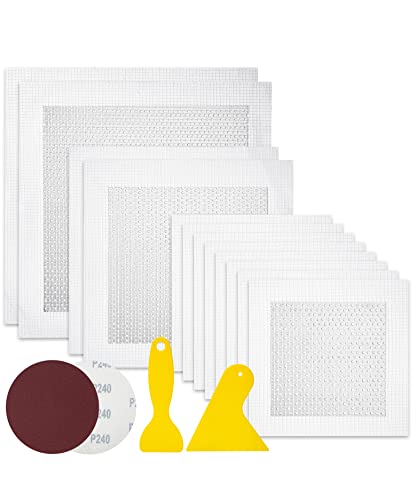
The Bates Choice kit uses aluminum self-adhesive patches in three sizes (4″, 6″, 8″), with two sanding sheets and plastic scrapers. Best for quick, lightweight fixes on medium holes. The self-adhesive backing simplifies application and reduces setup time, making it suitable for DIYers with small to medium repair tasks.
Who it’s best for: homeowners seeking a fast, low-effort fix for common wall blemishes. Why selected: compact set of patches plus essential tools keeps the job simple and predictable. Caution: larger or irregular damage may require additional materials beyond the kit’s patch sizes.
Drywall Repair Kit, Drywall Hole Patch Patch Kit Spackle

This kit focuses on a multifunction approach with patching and spackle material that becomes strong as it dries. It’s easy to use—squeeze, smooth, and sand after drying. The water-based, non-toxic composition reduces odor and is friendly for indoor use. Best for: quick, clean repairs on small to medium holes with minimal mess. Caution: patch color and finish may require painting to match surrounding walls.
Drywall Repair Kit,2 Pack Wall Mending Agent
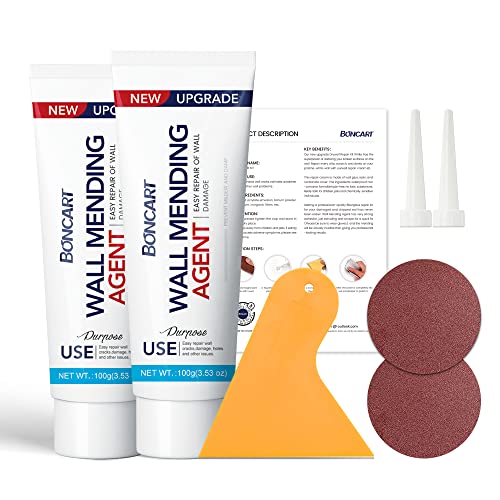
Boncart’s two-pack includes wall mending agents with scrapers and sandpaper. It’s designed for speed and versatility, aiming for virtually invisible patches after finish. Best for: users who want a complete set in one package for a variety of wall repairs. Caution: larger damages may require additional layers or patches for uniform texture.
Drywall Repair Kit, 12”x12” Patch Kit

This 12×12-inch drywall repair sheet is ideal for larger holes. It comes with simple instructions to guide beginners and saves time by providing a larger patch option that can be cut to fit. Best for: larger wall damages and for DIYers tackling sizable holes. Limitation: patch sheets must be cut to fit irregular shapes, which may require careful trimming.
Drywall Patch Kit with Putty and Patches
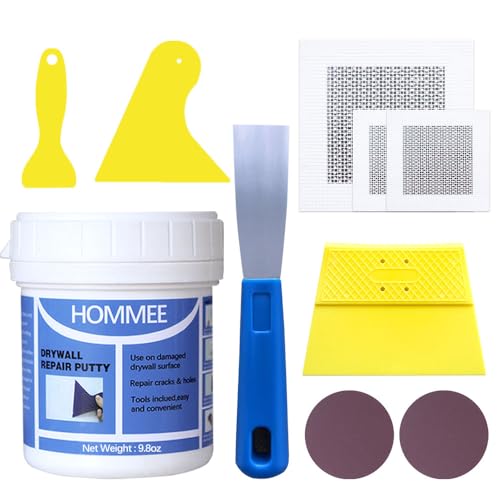
HOMMEE’s patch kit centers on an all-in-one approach with putty, aluminum patches, scrapers, and sandpaper. It’s designed to deliver a solid, durable fill with less effort for small to moderate holes. Best for: users seeking a one-visit repair with straightforward steps. Caution: the putty texture requires proper mixing and curing time for best results.
BONCART 8.6oz Drywall Patch Repair Kit

BonCart’s 8.6-ounce patch kit combines patching compound with a complete tool set in one package. It includes a putty, scrapers, a texture sponge, sandpaper, and gloves. Best for: DIYers who want a compact, all-in-one repair solution for quick wall fixes. Limitation: for very large holes, you may still need additional patches or steps beyond this kit.
Buying Guide
What size patch do you need?
Small holes (nail holes or minor dents) are well-suited to kits with self-adhesive patches or light spackling compounds. Large holes require bigger patches or sheets (like the 12”x12” Boncart option) and potentially multiple layers.
What materials matter?
Aluminum patches are lightweight and durable, ideal for quick repairs. Patch putties wet the surface and harden to a solid fill, good for a longer-lasting finish. Water-based, non-toxic formulas reduce fumes and are easier for indoor use.
Do you want an all-in-one solution?
All-in-one kits combine putty or patch material with tools such as scrapers, sandpaper, and gloves. They reduce shopping trips and ensure you have the essential items to complete the repair.
Is self-adhesive better for beginners?
Self-adhesive patches simplify application and often require less surface prep. For larger or textured walls, you may still need additional finishing steps to achieve a seamless appearance.
How important is finish matching?
Most patches require sanding and touch-up paint to match the surrounding wall color. Consider kits that include sanding sheets and guidance for a smoother, less conspicuous repair.
Repair environment considerations
Choose water-based, non-toxic formulations for indoors to minimize odors. Some putties need curing time; plan for adequate drying between layers if you are addressing larger damage.
Durability and long-term results
Metal patches and dense putties tend to provide longer-lasting repairs, especially on high-traffic walls. If you anticipate future use or reuse, consider a kit with reusable tools and sturdy patches.
Summary of key differences
- Patch type: aluminum patches vs. patch putty; each has different handling and finish characteristics.
- Patch size: range from small patches to large 12”x12” sheets for bigger holes.
- Tool set: some kits include scrapers, sandpaper, gloves, and sponges—handy for finishing.
- Application method: self-adhesive patches offer quick fixes; putty requires smoothing and curing.
- Safety: non-toxic, low-odor formulas are preferable for indoor use.
FAQ
Q: Can I use these kits for concrete or plaster walls?
A: Many kits are designed for drywall but some patch compounds can be used on plaster with proper surface preparation. Check product details for compatibility.
Q: How long does patching typically take?
A: Small patches can cure within an hour to a day, depending on the product. Large patches may require longer drying time and additional layers.
Q: Do I need to prime or paint after patching?
A: In most cases, yes. Sanding smooth and applying primer and paint helps blend the repair with the surrounding surface.
Q: Are these kits easy for beginners?
A: Yes, many kits are designed for DIYers with straightforward steps, included instructions, and tools to complete tasks without professional help.
Q: Can I reuse a kit on multiple projects?
A: Some components are reusable (scrapers, sandpaper), but patch materials are used per repair. Check each kit’s contents for reusability details.