When protecting wood furniture, cabinetry, and trim, scratch resistance matters as much as color. This guide highlights five top picks that deliver durable, scratch-resistant results on interior wood surfaces. Each option targets different needs—from fast-drying, one-coat coverage to ultra-clear finishes and multi-surface repair capabilities. Read on to find which product fits your project, whether you’re refinishing a dresser, cabinets, or door trims. The buyer’s notes below help you compare best-for scenarios, application ease, and potential limitations.
Summary table of chosen products:
| Product | Best For | Key Benefit | Limitations |
|---|---|---|---|
| Varathane Triple Thick Polyurethane | Furniture and trim | One-coat coverage with scratch and stain resistance | Water-based; may require curing time for high-traffic surfaces |
| Minwax Polycrylic Protective Finish | Interior wood projects | Crystal-clear, non-yellowing protection | Not ideal for very high-traffic surfaces without recoat |
| Polar Clear Matte Flawless Lacquer Spray | Cabinets, furniture with spray finish | Non-yellowing, scratch-resistant spray coating | Spray application requires ventilation and technique |
| Rust-Oleum Transformations Topcoat | Painted or stained wood cabinetry | Crystal clear, odorless protection | Semi-gloss finish may not suit all aesthetics |
| Rust-Oleum Dry Door & Trim Paint | Doors and trim | Pre-mixed, fast-drying to a durable finish | Interior/exterior use, odor and surface prerequisites |
Varathane Triple Thick Polyurethane Clear Wood Finish

What it is: A water-based polyurethane designed for interior wood surfaces. The self-leveling formula claims scratch and stain resistance with a one-coat coverage benefit. Dries to the touch in about two hours and covers up to 50 square feet per quart. Best for: Home furniture, doors, and trim where a durable, clear finish is desired without heavy odor. Why selected: It combines quick drying with durable surface protection, ideal for projects where time and surface wear are considerations. Caution: Water-based formulas can raise the grain on some soft woods if not prepped with light sanding.
Minwax Polycrylic Protective Finish, Clear Satin

What it is: A crystal-clear, satin finish designed to protect interior wood surfaces such as furniture, doors, and cabinets. The product claims protection against scratches, spills, and dirt while maintaining a non-yellowing, low-odor profile. Best for: Light-toned woods and projects where a subtle sheen is preferred. Why selected: Its clear, satin finish preserves natural wood tones and resists color change over time. Caution: Not a universal solvent for heavy, high-traffic surfaces; recoat intervals depend on use and environment.
Polar Clear Matte Flawless Lacquer Spray

What it is: A high-quality lacquer spray offering a clear, non-yellowing finish with scratch resistance suitable for wood, metal, plastics, and more. It provides UV protection and a satin finish indoors or outdoors. Best for: Cabinets, furniture, and small parts requiring a smooth spray finish. Why selected: The spray format allows fast, even coverage and convenient touch-ups on complex profiles. Caution: Solvent-based formulas require good ventilation and proper spraying technique to avoid runs or orange peel.
Rust-Oleum Transformations Topcoat
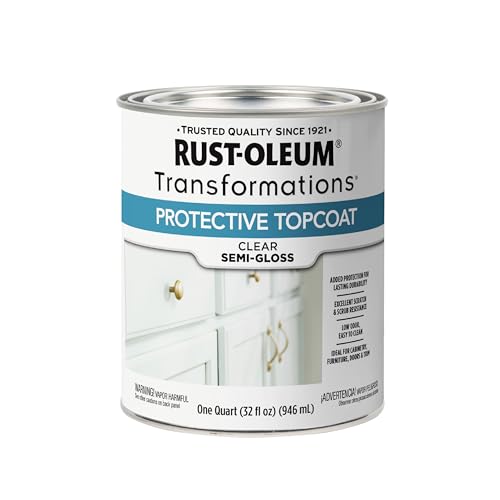
What it is: A protective topcoat designed for use over interior painted, stained, or bare wood surfaces. It offers a scratch and stain resistant finish in a crystal clear, odorless formula that dries to a semi-gloss. Best for: Cabinets and trim where a durable, low-odor finish is desired. Why selected: The topcoat emphasizes easy application and cleanup with water-based chemistry. Caution: Semi-gloss may not align with all design preferences; test finish on a sample board first.
Rust-Oleum Advanced Dry Door & Trim Paint

What it is: A ready-to-use, pre-mixed topcoat designed for interior or exterior doors and trim on wood, metal, and fiberglass. It emphasizes faster drying and a durable finish with a water-based formula. Best for: Door frames and trim projects requiring speed and a clean, durable coat. Why selected: Its faster dryness profile can save time on large trim projects. Caution: Odor and surface suitability can vary; ensure proper ventilation and surface preparation before applying.
Buying Guide: Scratch-Resistant Wood Finishes
What finish should you choose for scratch resistance? Consider the wood type, exposure, and desired sheen. Water-based products generally dry faster and have lower odor, while solvent-based coatings often provide tougher surface hardness. For high-traffic furniture and trims, a durable topcoat with scratch resistance is essential. If you prefer a clear, warm look that preserves natural wood tones, choose a crystal-clear finish with non-yellowing properties. Sprays offer fast, even coverage but require safety precautions and steady technique. For DIY repairs, multi-surface repair kits can address scratches and chips before sealing with a dedicated topcoat.
Application tips to improve scratch resistance:
- Prepare sanded, dust-free surfaces for best adhesion.
- Test finish on a sample area to confirm color and sheen.
- Follow recoat times precisely to ensure proper layer bonding.
- Seal edges and end grain to reduce wear hotspots on frequently touched areas.
- UseProper ventilation when applying solvent-based products.
Frequently Asked Questions
- What is the main difference between water-based and oil-based topcoats for wood?
– Water-based finishes dry faster, have lower odor, and often remain clearer over time; oil-based finishes tend to be harder but have longer cure times and stronger ambering risk. - Is a spray lacquer better than a brush-on polyurethane for scratch resistance?
– Sprays can provide even coverage and a smoother finish on complex shapes, but require technique and ventilation; brush-on products may be easier to control on flat surfaces. - Can I apply a topcoat over paint or stain?
– Yes, but ensure the base layer is fully cured and compatible with the topcoat. Some finishes are designed for direct over stains, while others perform best over painted surfaces. - How long should I wait between coats?
– Follow the manufacturer’s guidance; typical ranges are 30 minutes to several hours, depending on product and environment. - Will these finishes yellow over time?
– Crystal-clear, non-yellowing formulas minimize color shift, but some finishes can still amber slightly with exposure and aging; test on a sample board to assess long-term color. - Is it necessary to prime wood before applying the topcoat?
– Priming is not always required for solid wood; for repairs or bare woods, a compatible primer or sealer can improve adhesion and finish uniformity.