Find the right wood veneer solutions to refresh stairs: real wood veneers for refinishing, prefinished sheets for quick upgrades, and anti-slip options for safety. This guide helps buyers choose veneers, treads, or decor elements best suited for residential stair projects. The top picks cover durability, ease of application, and versatility for various stair styles and skill levels.
| Product | Best For | Key Benefit |
|---|---|---|
| Red Oak Solid Wood Stair Tread | Direct stair replacement on solid wood stairs | Solid construction, authentic wood grain |
| Edge Supply Red Oak 24 x 96-inch Veneer Sheet | Refinishing wider surfaces and curved shapes | Real veneer with adhesive back for easy installation |
| Natural Black Ebony Wood Veneer | High-end renovations and decorative panels | Luxurious dark tone and straight grain |
| Non Slip Stair Treads (Oak) | Safer stairs with improved traction | Anti-slip design with added safety features |
| WoodPress Mahogany Wood Veneer | Marquetry, repairs, and craft projects | US letter size sheets for easy handling |
Red Oak Solid Wood Stair Tread

Reference: Solid Red Oak Stair Tread with 1/4″ Round Over Square Nose Profile. Dimensions: 36 in x 11 ½ in x ¾ in. Made in Canada from unfinished SOLID Red Oak. Best for stairs that require authentic wood and a durable, timeless look. Not a cheap layered veneer.
- Best for: Direct stair replacement on bare or prepped wood stairs where authentic oak grain is desired.
- Why selected: Durable, solid wood construction provides long-term wear and a natural finish that can be stained to match existing trim.
- Limitation: Unfinished wood requires sealing and finishing after installation.
Edge Supply Red Oak Veneer Sheet
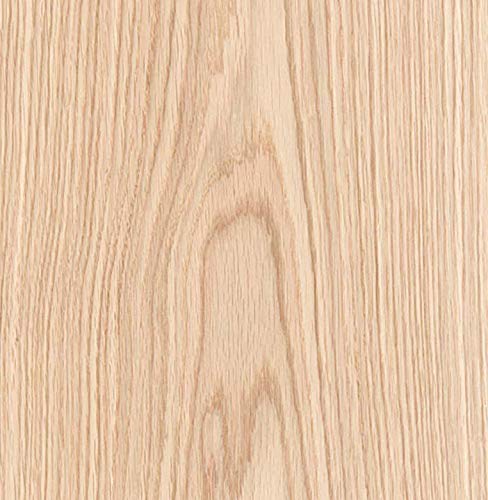
Reference: 24 x 96-inch flat cut, 3M peel and stick wood veneer sheet. A-grade, smooth-finished, real veneer with adhesive back for easy application. Vend for cabinetry, furniture restoration, and curved surfaces. Ready to stain and match existing surfaces.
- Best for: Large stair risers or surrounding surfaces where a continuous veneer is desired without complex glue work.
- Why selected: Real veneer with adhesive backing simplifies installation and reduces mess.
- Limitation: Requires proper surface preparation for best adhesion on uneven textures.
Natural Black Ebony Wood Veneer

Reference: Natural Ebony with straight grain; approx. 23″ x 98″ sheet; 0.25mm (10 mil) thickness. Suitable for furniture refurbishment, guitar building, speaker panels, automotive interiors, and DIY projects needing a luxurious veneer.
- Best for: Upgrading stairs with a dark, premium look and straight grain visuals on large surface areas.
- Why selected: Ebony tones offer a sophisticated contrast to lighter stair components.
- Limitation: Very dark veneer may require precise finishing to highlight grain and avoid blotching when stained.
Non Slip Stair Treads for Stair Remodel
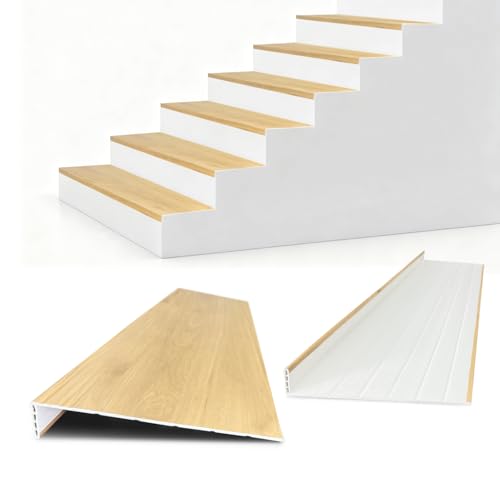
Reference: 4 pieces, 47×11.8 inches; 0.1” thickness; square nose profile with 2″ nose. Anti-slip tread strips designed to increase friction and safety on stairs. Suitable for homes with kids or elderly residents and for improving traction on worn steps.
- Best for: Safer stairs where traction is a priority and a quick remodel is desired without full resurfacing.
- Why selected: Slip-resistant design helps prevent slips on glossy or worn stairs.
- Limitation: May not match wood grain; design focus is safety and cover rather than full veneer aesthetics.
WoodPress Mahogany Wood Veneer

Reference: Pack of 6 sheets, US Letter size (approx 8.5″ x 11″); thickness 1/32”. Mahogany veneer suitable for marquetry, repairs, panels, and furniture work. A practical option for smaller stair projects or accent panels.
- Best for: Small patches, riser accents, or craft-based stair projects where sheet size matters.
- Why selected: Affordable, manageable sheet size for precise cuts and repairs.
- Limitation: Not ideal for large continuous surface coverage on long stair runs.
Buying Guide
What should you consider when selecting wood veneer for stairs?
- Material type: Real wood veneer versus peel-and-stick options affect installation effort, durability, and finish depth. Real veneers require adhesives and finishing; peel-and-stick simplifies application but may have adhesion limits on porous or uneven surfaces.
- Stair surface type: Solid wood treads require matching cabinetry and trim; veneers work well for refinishing or resurfacing existing stairs without full replacement.
- Thickness and durability: Thicker veneers or solid wood treads offer greater wear resistance but may require more prep work. Thinner sheets are easier to cut but may show wear sooner.
- Finish and stain compatibility: Consider whether you plan to stain the veneer to match or contrast with existing wood. Ebony and mahogany tones provide distinct looks compared with red oak.
- Aesthetic goals: Decide between authentic wood grain (for a traditional look), darker tones for elegance, or safety-focused tread overlays for non-slip needs.
FAQ
- What is the best option for repairing worn stair treads? Choose solid wood treads or real veneer sheets that fit your stair width and depth, with proper finishing and matching stain.
- Are peel-and-stick veneers reliable on stairs? They are convenient but rely on a clean, flat surface and may require additional sealant for long-term adhesion on high-traffic stairs.
- Can veneer sheets be used on curved stair surfaces? Yes, flexible or bendable veneer sheets can adapt to curved areas, especially with careful cutting and tool work.
- Is non-slip stair treads compatible with veneer projects? Non-slip treads provide safety; they can be used independently or alongside veneer work for enhanced traction.
- How do I choose between ebony and mahogany veneers? Ebony offers a darker, more dramatic look; mahogany provides warmth with rich reddish-brown tones. Consider existing wood trim and lighting in the space.