Answering the right questions for fence projects, this guide compares top clear coat sealers that protect wood without changing its natural look. Best for DIYers, homeowners refinishing fences, decks, or outdoor furniture who want a transparent finish that preserves grain and color. The selection below highlights products ideal for pressure-treated pine, softwoods, decks, and outdoor structures, with practical notes on application and longevity.
| Product | Best For | Key Benefit |
|---|---|---|
| Roxil Wood Sealer Liquid | Natural wood tones, outdoor fencing | Deep penetration with clear finish |
| Thompson’s WaterSeal Multi-Surface | Concrete, brick, exterior wood | Clear stain with UV protection |
| SEAL-ONCE Nano+Poly | Wood decks, fences near moisture | Penetrating, ultra-low VOC |
| Thompson’s Clear Wood Sealer | Wood fences and siding | Clear, water-repellent |
| Ready Seal 100 Penetrating | Goof-proof exterior projects | No back brushing required |
Roxil Wood Sealer Liquid (1 Gallon Clear) — 10 Year Waterproof Outdoor Protection

Best for: Softwood timber and pressure-treated wood used in fencing. Why chosen: Roxil penetrates deeply with a clear finish, sealing grain while preserving the natural look. It provides long-lasting outdoor waterproofing suitable for fences and decks. Caution: Ensure proper ventilation during application and follow surface prep guidelines to maximize penetration.
Thompson’s WaterSeal Multi-Surface Waterproofer Stain, Clear
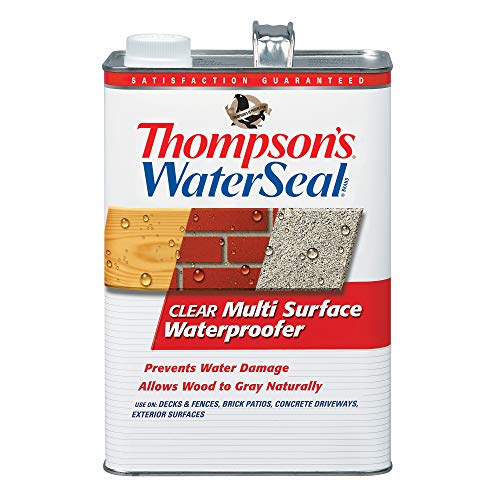
Best for: Outdoor wood surfaces and other exterior materials. Why chosen: Provides a clear finish that hides grain but preserves texture, with UV resistance for fade protection. Caution: May slightly alter the wood tone depending on application and wood type.
SEAL-ONCE Nano+Poly Wood Sealer and Waterproofer, Clear

Best for: Decks, fences, and wood near water bodies. Why chosen: Penetrating sealant with UV stability and ultra-low VOC, designed to protect while maintaining natural wood color. Caution: Not recommended for certain hardwoods; verify wood species before use.
SEAL-ONCE Marine Penetrating Wood Sealer — Clear

Best for: Marine environments and water-adjacent installations. Why chosen: Marine formulation provides UV stability and moisture resistance while remaining non-hazardous to aquatic life. Caution: Not intended for hardwoods like ipe or teak.
Ready Seal 100 Penetrating Wood Stain/Sealer Goof Proof

Best for: Exterior wood projects that demand ease of use. Why chosen: Goof Proof formula minimizes laps and runs, while offering durable moisture resistance. Caution: Performance depends on proper surface preparation and environmental conditions.
Ready Seal 500 Clear, 5-Gallon Exterior Sealer
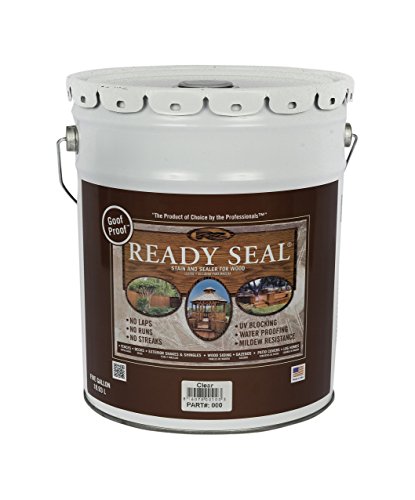
Best for: Larger fence projects and quick coverage needs. Why chosen: Large 5-gallon size simplifies big jobs, with no back brushing required. Caution: Heavier containers require careful handling and proper ventilation during application.
Olympic WaterGuard Clear Exterior Sealer Spray

Best for: Quick, spray-on sealant for new or weathered wood. Why chosen: Ready-to-use spray form helps reach tight spots on fences. Caution: Spray application may require masking to protect surrounding surfaces; even with spray, ensure even coverage.
Buying Guide
Key factors to consider when choosing a clear fence sealer:
- Wood type and condition: Softwoods versus hardwoods may react differently to sealers; prep is essential for best results.
- Penetration versus film-forming: Penetrating sealers preserve grain; film-forming options add a surface layer for additional protection.
- Water resistance and UV protection: Look for UV-stable formulas to minimize color fading and graying in sun-exposed fences.
- VOC and environmental impact: Ultra-low VOC options are preferable for indoor or closely situated projects and eco-conscious buyers.
- Application method: Brush, roller, sprayer, or spray cans affect project speed and coverage; consider product viscosity and tools.
- Maintenance: Drying time, reapplication frequency, and compatibility with stain or paint layers influence long-term upkeep.
FAQs
- What is the difference between a penetrating sealer and a surface sealer? Penetrating sealers soak into wood to protect from within, while surface sealers form a protective film on top.
- Can I seal a fence that already has weathered wood? Yes, but prep is important; clean and lightly sand rough spots for better absorption.
- Is a clear sealer better than a tinted stain for fences? Clear sealers preserve natural color and grain, while tinted stains add color and sometimes extra UV protection.
- How often should a fence sealer be reapplied? Reapplication frequency depends on sealant type, climate, and exposure; follow manufacturer guidelines for timing.
- Are water-based sealers safer near gardens and water features? Generally yes; ultra-low VOC water-based options are designed to be gentler on the environment.
- Can I use different brands on adjacent fence boards? Mixing brands is possible but may yield uneven appearance and varied protection; consider consistency across the project.