Looking for the best paint rollers for rough or textured surfaces? This guide highlights purpose-built roller covers that deliver even coverage, minimize drips, and reduce reloading time on textures like popcorn, stucco, or knocked-down walls. Each pick targets a specific type of user—from DIY weekend warriors to professional painters—so you can choose confidently. Below is a quick summary of five strong options with their ideal buyers and core strengths.
| Product | Best For | Nap Type / Size | Notes |
|---|---|---|---|
| Great Andrew 6 PCS Paint Roller Covers | Value seekers and DIYers working on textured walls | 9 inch, 3/8″ nap | Dense polyester fibers; good coverage with less dripping |
| PinStone 6 Pack Lambswool Roller Covers | Premium finish for rough textures | 9 inch, 3/4″ nap | Natural lambswool; high paint pickup; reusable |
| Pro Grade Microfiber 5 Pack | Durable, low-shed microfiber for smooth results | 1/2″ nap | No-shed microfiber; easy to clean and reuse |
| King Origin 18 Pack 9 Inch | Bulk projects needing multiple covers | 3/8″ nap | High-density polyester; shed-resistant; versatile |
| PinStone 18 Pack Microfiber Roller Covers | Low-shed, high-capacity for large jobs | 9 inch, 3/4″ nap | Non-shedding microfiber; durable and reusable |
Great Andrew 6 PCS Paint Roller Covers
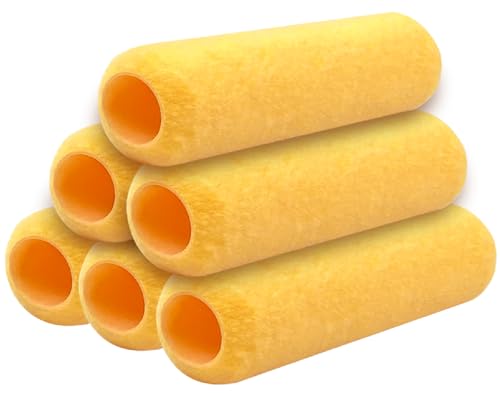
9-inch roller covers with a 3/8-inch nap are designed for textured or rough surfaces. The 6-pack uses dense polyester fibers that hold more paint and minimize drips. This option is best for value-minded buyers tackling medium-sized textured walls or ceilings without high-detail requirements.
Best for: DIYers who need multiple rollers at a low cost and consistent performance on textured walls. The dense fibers improve coverage and reduce reloading frequency, making it easier to complete larger patches more quickly.
Caution: Polyester nap may feel stiffer than natural fibers; may not achieve ultra-soft finishes on very fine textures.
PinStone 6 Pack Lambswool Roller Covers

These 9″ x 3/4″ nap lambswool covers offer high paint pickup and a smoother finish on rough textures. The natural lambswool is easy to wash, durable, and reusable, making them a premium choice for larger jobs or when a flawless finish is essential.
Best for: Professionals or serious hobbyists who want a fast, even application on rough surfaces and are willing to care for higher-quality wool covers.
Limitation: Lambswool requires careful cleaning to maintain longevity and avoid fiber shedding over time.
Pro Grade Microfiber 5 Pack

These 1/2-inch nap microfiber covers provide full, even coverage on smooth to semi-smooth surfaces. The microfiber construction aims to reduce shedding and is designed for repeated use with easy cleaning, making them a solid choice for ongoing projects involving more than one room or surface type.
Best for: Those seeking a durable, washable option that yields a consistent finish on a wide range of paints, including latex and oil-based varieties.
Limitation: Microfiber may behave differently on very rough textures compared to lambswool or high-density wool covers.
King Origin 18 Pack 9 Inch

This bulk option features 3/8-inch nap high-density polyester fibers for efficient paint pickup and reduced reloading. The covers are shed-resistant and compatible with most standard 9-inch roller frames, offering versatility for large projects that involve textured surfaces.
Best for: Contractors or big DIY projects requiring numerous rollers with dependable performance and easy cleanup.
Limitation: Bulk packaging may be more than needed for small projects; consider quantity before purchase.
PinStone 18 Pack Microfiber Roller Covers

These 9″ x 3/4″ nap microfiber covers provide non-shedding performance with high absorption and even paint release. They’re designed for compatibility with standard 9-inch frames and support repeated use with proper cleaning, reducing texture marks and streaks on rough surfaces.
Best for: Large jobs that require many fresh covers with reliable performance and easy maintenance. Suitable for all typical wall paints and stains.
Caution: Ensure thorough cleaning between uses to maintain non-shedding performance over time.
Buying Guide: What To Consider When Choosing Roller Covers For Rough Surfaces
Consider the texture type, paint type, and project size when selecting roller covers. The nap thickness and fiber material directly influence paint pickup, coverage, and finish quality on rough textures.
- Texture compatibility: Use 3/8″ nap for moderately rough textures and 3/4″ nap for deeper textures. Higher nap increases coverage but can drag and leave texture marks if not controlled.
- Material choice: Lambswool offers excellent paint pickup and a smooth finish but requires careful cleaning. Microfiber is durable, low-shed, and easy to clean. Polyester rollers with dense fibers balance cost and performance for textured walls.
- Surface size and scope: Bulk packs are advantageous for large areas or multi-room projects. For small rooms, smaller packs or single covers may be more economical.
- Maintenance: Reusable covers save money over time but require washing and proper drying to preserve fibers and minimize shedding.
- Compatibility: Ensure the roller fits a standard 9-inch frame and is suitable for both latex and oil-based paints, depending on your project.
Frequently Asked Questions
- What nap size works best for rough surfaces?
– A 3/8″ to 3/4″ nap covers most rough textures well. Choose 3/8″ for less texture and 3/4″ for deeper textures. - Are lambswool rollers better than microfiber for rough walls?
– Lambswool offers superior paint pickup and a smoother finish on rough surfaces, but microfiber provides durability and easy maintenance. - How many roller covers do I need for a standard room?
– For a typical room, 3–6 covers should suffice, depending on wall size and color changes. Bulk packs are better for larger rooms. - Can I use these rollers with both water-based and oil-based paints?
– Most covers listed are designed for both types, but check the product details for any specific solvent recommendations. - Do roller covers shed?
– Some materials shed less than others. Look for “shed-resistant” or “non-shedding” claims in the product features for guidance. - How should I clean and reuse roller covers?
– Rinse immediately after use, wash with mild soap, and let them dry fully before reuse. Proper drying helps prevent mildew and fiber damage.