Answering the question “which corner bead tool should I choose?” this guide highlights practical, job-ready options. These picks cater to professionals, DIY remodelers, and occasional repair workers who want clean, durable corners with minimal effort. Each product is selected for ease of use, reliability, and value. The top five tools below cover crimping, self-adhesive tapes, corner rollers, and general applicator systems to suit different project needs.
Summary table of chosen products:
| Product | Brand | Why It’s Notable | Best For |
|---|---|---|---|
| Magisale Corner Bead Tool for Drywall Installation | MS.GD | Adjustable clamp, quick spacing, ergonomic design for long use | Professional installers needing precise, fast crimping |
| AnRui Drywall Corner Bead Self-Adhesive | AnRui | Self-adhesive backing for easy application | DIYers and light repairs seeking simple installs |
| MARSHALLTOWN QLT Cornerbead Tool | MARSHALLTOWN | Centering feature and quick crimp with a mallet | Pro jobs needing accurate mud distribution |
| Bullnose Drywall Outside Corner Bead | Generic | Long strips for efficient edge coverage | Projects with many corners and budget focus |
| Corner Bead Applicator with Bucket Nest | Advance Equipment MFG CO | Fast, consistent mud application and clean bead face | Remodels and repairs requiring speed and cleanliness |
Magisale Corner Bead Tool For Drywall Installation

Best for professionals needing precise alignment and quick setup. This tool offers adjustable clamping with multi-angle locking to space beads accurately, boosting productivity. The ergonomic, non-slip handle minimizes fatigue, and replaceable jaws support quick punching operations. Made from high-strength iron, it resists deformation while remaining portable at about 2 lbs. Suitable for frequent job site use where consistent results matter.
Who it’s for: Professional drywall finishers and installers who do long jobs and value reliable, repeatable corners. Limitation: heavier users may still benefit from a lighter alternative for very small spaces.
AnRui Drywall Corner Bead Self-Adhesive

Best for quick repairs and beginners who want a simple install without tools. The self-adhesive backing eliminates the need for nails or staples, and the tape provides improved corner strength and a crisp line. Its method of use is straightforward: clean, cut to length, apply, smooth, and finish with putty and paint. Limitations: may require careful alignment to avoid air pockets on large surfaces.
MARSHALLTOWN QLT Cornerbead Tool

Best for contractor-grade precision without nails or staples. This tool centers the cornerbead for even mud distribution, and a single strike with a rubber mallet crimps the bead securely. Safety note: wear goggles when operating to protect eyes from debris. It’s a solid choice for finish carpenters and drywall subcontractors who value consistency across multiple corners.
Bullnose Drywall Outside Corner Bead
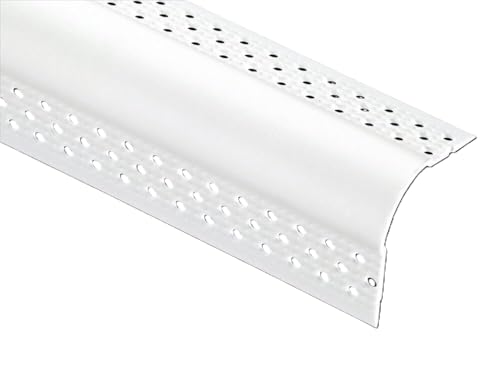
Best for projects emphasizing a rolled, rounded edge on interior corners. The 47.5-inch strips cover long runs and come in a 4-pack, helping speed installation. Note: designed for interior use; not intended for exterior corners. Best for homeowners and remodelers aiming for a soft, finished look with fewer seam transitions.
Corner Bead Applicator with Bucket Nest

Best for fast, consistent mud application and clean bead faces. This applicator helps drywallers, handymen, and homeowners keep corners tidy during remodeling. The bucket nest design supports quick mud loading and disposal. Limitation: may require practice to maximize mud efficiency on varied wall textures.
Buying Guide
What type of corner bead tool should you pick? Consider the project: frequent, high-volume work benefits from robust, adjustable crimpers; occasional repairs may be best with simple self-adhesive options. Key factors include ease of use, weight, durability, and compatibility with your preferred bead types (inside vs outside corners, bullnose, etc.).
- Bead Type: Inside corners, outside corners, bullnose profiles, and long-strip options serve different applications. Match the tool to the bead style you plan to use most.
- Tool Type: Crimping tools, rollers, applicators, and self-adhesive tapes each offer distinct workflows. Choose based on your comfort with tools and desired speed.
- Durability and Weight: Lighter tools reduce fatigue on long jobs, while sturdy metal tools improve precision and longevity on rough sites.
- Safety and Comfort: Ergonomic handles, protective eyewear, and safe operation practices help reduce fatigue and injury risk.
- Cost vs. Value: Consider the total cost of ownership, including replacements parts (jaws, rollers) and the frequency of use on projects.
Frequently Asked Questions
- What is the difference between interior and exterior corner beads?
- Do I need a specialized tool for bullnose corners?
- Is self-adhesive drywall tape a good alternative to metal corner beads?
Self-adhesive tapes are convenient for quick repairs and light-duty work but may not provide the same edge rigidity as metal corner beads on high-traffic areas.
- How do I choose between a crimping tool and a bead applicator?
- Can these tools be used by DIYers?
- What maintenance is required for corner bead tools?
Interior corner beads are used on inside corners, while exterior beads are designed for outside edges. Tools may be specialized for each surface to ensure correct alignment and mud distribution.
Yes, bullnose beads typically require curved edges and may work best with a dedicated bullnose bead tool or a compatible roller that can shape the bead properly.
Crimping tools are ideal for precise bead placement in professional settings, while applicators speed up mud removal and bead finishing for faster remodel jobs.
Yes, many options are suitable for DIY projects, especially those with self-adhesive tapes or simple applicators. Start with a basic, easy-to-use model and progress to professional-grade tools as needed.
Keep jaws and rollers clean, inspect for wear, and replace worn parts to maintain consistent performance on future projects.