Answering the common question “which drywall stress crack tape works best?” this guide showcases top options for fast, reliable crack repair. Each product is best for specific situations—home DIYers, professional renovators, and renters can find a match. The selections emphasize self-adhesive, paint-ready tapes that blend with walls and resist re-cracking. Below, compare features, best use cases, and any limitations to help you choose confidently. A quick summary table is provided to aid quick scanning of pros and ideal scenarios.
| Product | Best For | Key Benefit | Limitation |
|---|---|---|---|
| Stepsaver 7012 (Textured) | Uneven surfaces | Pre-textured finish blends with wall texture | Texture match may vary on older walls |
| Stepsaver 7030 (Smooth 30′) | Long cracks, smooth finish | Very thin, flexible material for clean repairs | Requires precise alignment |
| Stepsaver 7060 (Smooth 60′) | Large areas, long runs | Long roll for extensive cracks | Still needs surface prep |
| Qulkws 2” x 32′ | General drywall cracks | Simple self-adhesive, wide compatibility | May require touch-up paint |
| Saypacck 2” / 1.25” x 50′ | Heavy-duty repairs | Uneven edges help wrap irregular cracks | White blends well but may show on highly textured walls |
Stepsaver Self Adhesive Stress Crack Tape (1.25″ x 12′ Textured)

This textured tape is designed for uneven wall surfaces where texture must be preserved. The self-adhesive backing simplifies application, and the pre-textured finish helps the repaired area blend with surrounding drywall. It is best for buyers who prefer a ready-to-paint, texture-compatible repair without additional joint compound or finishing steps. The material is described as strong yet flexible, which can accommodate slight wall movement without cracking again.
Who this is best for: homeowners repairing textured walls, do-it-yourselfers seeking a paint-ready finish, and remodelers needing a quick fix for minor stress cracks. Why selected: texture compatibility reduces mismatch concerns and speeds up the repair process.
Caution: texture match may vary on walls with unconventional finishes or heavy texture patterns, and prep work is still necessary for the most durable result.
Stepsaver Self Adhesive Stress Crack Tape (1.25″ x 30′ Smooth)

With a smoother surface, this option is ideal for cracks in flat walls where a crisp finish matters. The lower surface is self-adhesive and the upper surface is paint-ready, providing a seamless repair that accepts joint compound and paint over it. Its patented material remains thin (under 4 mils) while offering flexibility for minor cracks. It works well for rooms requiring quick, nearly invisible repairs on flat surfaces.
Who this is best for: renters and homeowners focusing on minimal texture impact and easy painting. Why selected: the thin profile reduces visibility and layers well under standard paint coats.
Caution: less suitable for heavily textured walls or deep, irregular cracks where texture can guide a more obvious seam line.
Stepsaver Self Adhesive Stress Crack Tape (1.25″ x 60′ Smooth)

This long roll is designed for larger crack runs or longer stretches along walls and ceilings. Its self-adhesive lower surface adheres directly to the substrate, while the upper surface remains paint-ready for a clean finish. The tape is noted for strong flexibility, which helps manage crack movement without immediate reappearance.
Who this is best for: project renovators working on expansive wall sections or long crack lines. Why selected: reduces seams and replacement steps by covering larger areas with a single strip.
Caution: ensure the surface is free of dust and oil; failure to prep can reduce adhesion and longevity.
2” x 32′ Drywall Joint Tape Self Adhesive Stress Crack Tape (Qulkws)

Qulkws offers a wider 2-inch width for larger cracks, with a 32-foot length ideal for intermittent repairs along longer seams. The tape is self-adhesive, requiring no extra glue, and is designed to conform to irregular crack shapes. It blends well with neutral wall tones and provides a straightforward application for beginners and pros alike.
Who this is best for: DIYers needing a straightforward, no-fuss repair on standard walls. Why selected: wider tape allows faster coverage of wide cracks. Limitation: may require touch-up paint to fully hide the repair depending on wall color.
Saypacck Self Adhesive Crack Repair Tape Drywall Joint Tape Patch (2” x 50′)
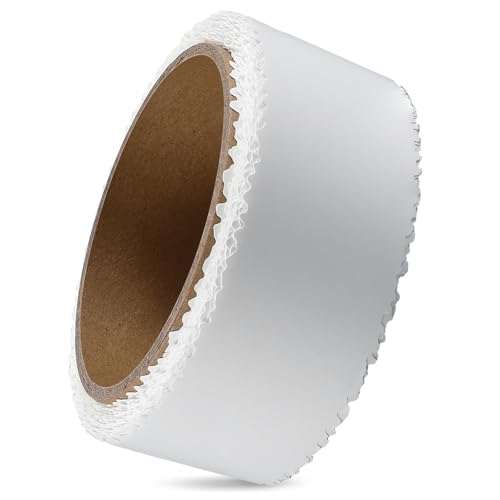
This heavy-duty option emphasizes uneven edges designed to merge with wall surfaces, producing a smoother finish on repaired seams. The tape is lightweight yet durable, and its white color helps it blend into most drywall surfaces after painting. It is suitable for mixed-use spaces where joints require extra reinforcement against re-cracking.
Who this is best for: homeowners repairing awkward crack shapes or textured surfaces. Why selected: edge design improves camouflage and reduces visible seam lines. Limitation: on very dark or strongly tinted walls, additional tinting may be needed.
Saypacck Self Adhesive Crack Repair Tape Drywall Joint Tape Patch (1.25” x 50′)

This variant mirrors the 2-inch Saypacck design in a narrower width for detailed repairs. The self-adhesive system simplifies application, and the tape’s thin profile supports clean paint coverage. The uneven edges design helps the repair blend with wall surfaces while keeping a strong bond against future stresses.
Who this is best for: small-to-mid crack fixes where a narrower strip is preferred. Why selected: precision for tight cracks and corners. Limitation: may not be ideal for very wide cracks without overlapping seams.
Buying Guide
What kind of drywall crack tape should I choose?
Choose based on texture, crack length, and location. Textured tapes help match existing wall finishes, while smooth rolls are better for flat, paint-ready surfaces. For long cracks, select longer rolls to minimize seams.
Is self-adhesive really easier?
Self-adhesive tapes are typically easier for DIYers and require less tools. Ensure the surface is clean, dry, and free of dust for optimal adhesion. For stubborn surfaces, a light primer can help improve sticking power.
How do I prep walls before applying tape?
Remove peeling paint and loose material from the crack. Widen the crack slightly with a putty knife if needed, then wipe away dust. Some repairs benefit from a light skim coat of joint compound after taping for a smooth finish.
What about finishing after taping?
Apply a thin layer of joint compound over the tape, feathering out from the edges. Let dry, sand lightly, and paint to blend with the surrounding wall. For textured walls, consider texture-matching techniques or repainting larger areas for uniform appearance.
Are there situations where tape is not enough?
Very large, shifting, or structural cracks may require additional repair like reinforcing with mesh or full panel replacement. Tape works best for cosmetic fixes and minor movement where no structural repair is needed.
How to choose between textured vs. smooth tapes?
Textured tapes are better for matching existing wall textures, while smooth tapes are preferred for flat, clean finishes. If you plan to repaint soon, smooth options may require less texture work before painting.
FAQ
- Q: Can I paint over drywall stress crack tape immediately?
- A: Yes, after the tape is applied and the joint compound is dry and sanded, you can paint over it for a seamless look.
- Q: How long does tape repair typically last?
- A: Longevity depends on wall movement and prep quality; proper surface cleaning and correct thickness help extend durability.
- Q: Is there a preferred width for repairs?
- A: Wider tapes cover larger cracks quickly but may require more blending work; choose width based on crack size and area.
- Q: Do these tapes work on ceilings?
- A: Some tapes are suitable for ceilings, but ensure the tape can handle gravity and any moisture considerations in the space.
- Q: Should I hire a professional for large cracks?
- A: For extensive or structurally concerned cracks, professional assessment is recommended, though these tapes can handle many cosmetic repairs.