Yes, white subway tile patterns are a timeless choice for kitchens and bathrooms. This guide highlights top white subway tile products, focusing on peel-and-stick options for easy DIY installation and traditional ceramic for durable, long-lasting installations. Whether you’re updating a rental or designing a chef’s kitchen, these picks help you strike a clean, bright look. The top products below are best for quick upgrades, renters, and homeowners who want a modern, glossy finish with minimal labor.
Product Comparison at a Glance
- Art3d 102-Piece Peel and Stick Wall Tile – Best for quick, tool-free installation and versatile layouts.
- STICKGOO 10-Sheet Peel and Stick Subway Tile – Best for durable, multi-sheet coverage with strong adhesive.
- Vamos Tile 100-Piece Glossy Dolomite White Peel and Stick – Best for a premium look with strong, fade-resistant material.
- 4×4 White Glossy Ceramic Subway Tile Shower Walls – Best for long-lasting, traditional ceramic tile installations.
- Art3d Peel and Stick Backsplash White Subway – Best for a thicker, sturdier self-stick option with safe materials.
Art3d 102-Piece Peel and Stick Wall Tile

Features: Easy DIY, Peel & stick; cuts with tin snips or utility knives; 3″ x 6″ individual subway tiles; waterproof, heat and stain resistant; anti-scratch; high impact; color fadeless; easy to clean; durable.
Best for: Renters or DIYers seeking a fast, mess-free backsplash upgrade. This set is ideal for kitchens, bathrooms, and fireplaces where you want a glossy, modern subway look without grout work. The tiles are large enough to create a classic pattern with flexible layout options.
Caution: Some users may need precise layout planning to avoid gaps, and cutting may require careful handling to maintain edge quality.
STICKGOO 10-Sheet Peel and Stick Subway Tile

Features: 2-3 Times Thickness (2mm-2.5mm); 3X stronger backing glue; 12.6″ x 10.6″ sheets; covers about 40% more area than standard 10″x10″ tiles; durable, adheres to smooth or lightly textured walls.
Best for: Areas where durability matters, such as kitchen backsplashes and high-traffic walls. The thicker design reduces visible seams and provides a more tile-like feel.
Limitation: Adhesive performance can vary on highly textured surfaces; follow surface prep guidelines for best results.
Vamos Tile 100-Piece Glossy Dolomite White Peel and Stick

Features: PVC composite laminate; anti-scratch; high impact; color fadeless; high waterproof and stain resistance; 100 tiles cover about 12.08 sq ft; stronger backing glue; can install over existing ceramic tiles or clean smooth surfaces.
Best for: Users seeking a premium, realistic ceramic look with robust adhesion. This option is good for kitchens, bathrooms, and even behind stoves due to its durable surface.
Caution: While durable, it’s still a peel-and-stick product; uneven or dusty walls may require extra prep for a flawless finish.
4×4 White Glossy Ceramic Subway Tile

Features: 4 1/4″ x 4 1/4″ white ceramic tiles; 1/4″ thickness; high gloss finish; durable and easy to install; listed for 10 square feet (80 pieces).
Best for: Traditional, long-lasting installations where grout lines are acceptable. Choose this for a classic subway look with proven durability over time.
Limitation: Requires grouting and more labor than peel-and-stick options; weight and handling considerations for larger installations.
Art3d Peel and Stick Backsplash White Subway (10 Tiles)
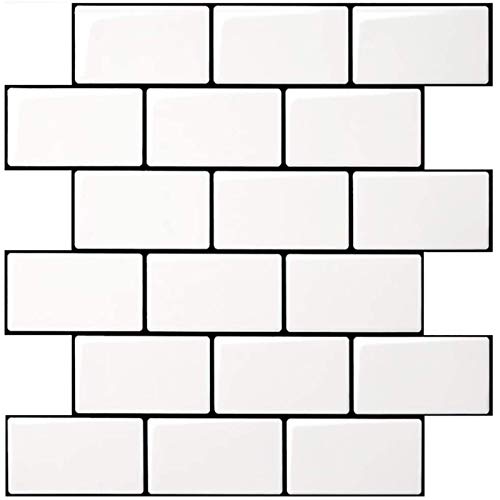
Features: Thicker version; 2-3 times thicker than ordinary peel & stick tiles (2mm-2.5mm); 3X stronger backing glue; PU gel top surface and PET bottom; does not use epoxy resin materials.
Best for: Anyone wanting a thicker, more durable self-adhesive option with a health-conscious material set. Suitable for kitchens and bathrooms with a glossy, durable finish.
Caution: Ensure a clean, dry surface before application to maximize adhesion; avoid surfaces with powder or loose coatings.
Buying Guide
Which tile type should I choose: Peel-and-stick vs. ceramic?
Peel-and-stick tiles offer quick DIY installation, minimal tools, and easy replacement. They are ideal for renters or those planning a temporary to mid-term upgrade. Ceramic subway tiles require grouting and more labor but deliver long-term durability and a traditional look. For high-traffic kitchens, a thicker, more adhesive-backed peel-and-stick option or real ceramic may be preferred.
What surface is best for peeling and sticking tiles?
Flat, clean, dry surfaces maximize adhesion. Smooth walls, backsplashes, and existing ceramic tiles work well. Lightly textured walls may require additional prep or stronger adhesives. Avoid dusty, oily, or powder-coated surfaces without proper cleaning and priming.
How to plan layout for a white subway pattern?
Measure width and height, plan the tile layout to minimize cuts, and consider a half-tile offset pattern for a classic look. Use a level and spacers to maintain consistent alignment. For 3″ x 6″ tiles, plan row-by-row execution and account for edge trimming to keep symmetry.
What about durability and maintenance?
Glossy white subway tiles are easy to wipe and clean. Peel-and-stick variants with high-grade backing glue and a tougher top layer resist moisture and stains better. Ceramic tiles require sealing grout lines and periodic cleaning to maintain shine and prevent staining.
Are these products safe for kitchens with heat or moisture?
Most peel-and-stick options advertise water resistance and heat tolerance for typical kitchen conditions. For high-heat zones, verify product specifications and consider ceramic tile or heat-rated adhesives for edge areas near stoves or ovens.
How to choose for renters vs. homeowners?
Renters typically benefit from peel-and-stick options for easy removal and no damage to walls. Homeowners may prefer ceramic tile for durability and a traditional look, especially in areas like behind the stove where moisture and heat are concerns.
Which option provides the best value?
Value depends on installation time, durability, and replacement needs. Thicker peel-and-stick tiles with stronger backing glue provide a better long-term alternative to standard vinyl tiles, while ceramic tiles offer enduring value with a classic aesthetic and proven durability.
FAQ
- Do peel-and-stick tiles require grout? No, most peel-and-stick products do not require grout, which speeds installation. Some products may simulate grout lines with patterns or pre-printed designs.
- Can I install these over existing tile? Yes, many peel-and-stick options work over clean, smooth existing tile, but surface prep is essential for best adhesion.
- Are white subway tiles prone to yellowing? Some products with epoxy resins can yellow over time; choose tiles that specify non-yellowing materials like PU gel top layers.
- Is maintenance different for ceramic vs. peel-and-stick? Yes. Ceramic tiles require grout maintenance; peel-and-stick tiles are generally easier to wipe but may need replacement if adhesive weakens.
- Can these tiles be used behind a stove? Yes, many options are designed for high-moisture areas, but verify heat resistance for edge areas near heat sources.
- How do I remove peel-and-stick tiles without damage? Most are removable with minimal wall damage, though some adhesives may leave residue that needs cleaning.