Clear, versatile glazing paints extend the depth and warmth of wood finishes, letting you age, antiquing, or subtly enrich surfaces. This guide highlights five glazing-friendly products that work well on wood and other surfaces, along with practical buying tips. Ideal buyers include DIY furniture restorers, cabinet refinishing hobbyists, and artists exploring faux finishes who want predictable results and clear application guidance.
| Product | Best For | Key Benefit |
|---|---|---|
| AMY HOWARD AT HOME Glazed Over | Wood, metal, and mixed media | Water-based glaze that can be used alone or mixed for antique-like finishes |
| Liquitex Professional Glazing Medium 118ml | Acrylic glaze layers | Brilliant jewel-like glazes with good leveling |
| Liquitex Professional Glazing Medium 473ml | Expanded glazing projects | Same benefits at a larger volume for bigger works |
| Rust-Oleum Painter’s Touch Ultra Cover | General house projects | Multi-surface, low odor, quick-drying base for glazes and paints |
| GOLDEN Satin Glazing Liquid 8 oz | Controlled glazing with acrylics | Increases translucency and working time |
Note: The selections balance easier-to-find glazing mediums with options that suit both traditional woodwork refinishing and more experimental faux finishes. Each product is evaluated for suitability to wood, texture control, and how clearly the glaze reads on final surfaces.
AMY HOWARD AT HOME Glazed Over

What it is: A water-based glazing medium designed to add depth and subtle shine or to be mixed into colored glazes like walnut, copper, or aqua for antique looks. It works across wood, metal, melamine, and laminate, making it versatile for cabinet glazing and faux finishes. Best for: DIYers seeking a simple, all-purpose glaze for furniture and accent pieces. Limitations: May require multiple coats for deeper color on very absorbent woods.
Liquitex Professional Glazing Medium 118ml

What it is: A glazing medium designed to work with acrylic paints to create jewel-like glazes with excellent brushing and leveling qualities. Best for: Artists and furniture decorators who want controlled translucency and long working time for blending. Caution: This is an acrylic medium; ensure compatibility with your base paint if you’re layering on wood furniture.
Liquitex Professional Glazing Medium 473ml
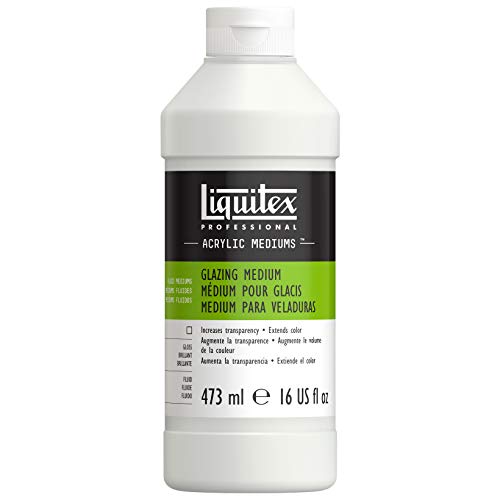
What it is: A larger-volume glazing medium with the same acrylic properties, ideal for bigger glazing projects. Best for: Studio setups and bigger furniture refinishing where consistent glaze flow matters. Limitation: The larger bottle may require careful storage and seal to prevent skinning over between sessions.
Rust-Oleum Painter’s Touch Multi-Purpose

What it is: A water-based acrylic offering for indoor and outdoor use on wood, metal, plaster, and more. Best for: Projects that require a robust base paint with glaze compatibility and quick drying times. Caution: While versatile, it’s a general-purpose paint, so for ultra-deep glaze effects, pairing with a dedicated glaze medium is often best.
GOLDEN Satin Glazing Liquid

What it is: A slow-drying extender that increases translucency and working time for blending acrylic colors, enabling precise glaze control. Best for: Professionals and serious hobbyists who need extended open time for marbling, fading, or subtle color shifts. Limitation: As a slow-drying medium, it requires careful timing for layered glazing.
Winsor & Newton Blending & Glazing Medium
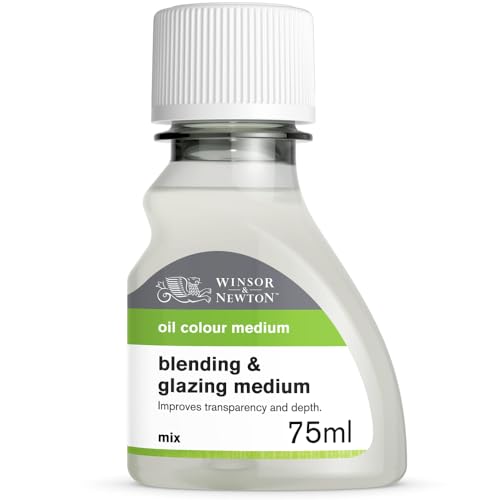
What it is: A blending and glazing medium designed for oil and alkyd colors, slowing drying and allowing for extended blending time. Best for: Traditional oil painters and decorists who employ glazing for antiquing and layered effects. Caution: Not compatible with water-based paints unless specified by manufacturer guidance.
Buying Guide
Key considerations when selecting glazing paint for wood:
- Medium type: Water-based glazes are easy clean-up and low odor, while acrylic glazing liquids offer extended open time and vivid color control. Choose based on your base paint and workspace.
- Color control: If you want antique or depth without heavy color, start with a clear glaze like AMY HOWARD AT HOME Glazed Over. For colored glazes, mix with compatible pigments.
- Surface compatibility: Wood surfaces benefit from glazes that adhere well and resist chipping. Consider products that specify wood and wood-derived substrates.
- Drying and open time: Slower-drying glazing liquids provide more blending control; fast-drying formulas are better for quick projects but may require faster work.
- Volume considerations: Larger volumes are economical for big projects but store properly to prevent skinning. Match bottle size to project scope.
- Finish and sheen: Glazes affect depth more than top coats. If you want shine, pair with a compatible topcoat or use a glaze with a built-in shine.
Frequently Asked Questions
- What is glazing paint used for on wood?
It adds depth, aging, and subtle color changes across wood surfaces, often used for furniture and cabinets. - Can I use acrylic glazing with oil-based finishes?
Generally not without specific compatibility guidance; follow manufacturer recommendations to avoid adhesion issues. - Do glazing mediums require primers?
Some wood surfaces can accept glaze directly, but priming may improve finish uniformity on very porous or unfinished wood. - Is glazing suitable for outdoor wood?
Many glazes are interior-focused; for outdoor projects, choose weather-resistant formulations and sealants designed for exterior use. - Which glaze is best for antique finishes?
Clear glazing layers or colored glazes with slow-drying mediums are commonly used to create authentic antiquing and patina. - How do I prevent blotching on soft woods?
Use a sealer or conditioner before glazing, test a small area, and apply glazes evenly with consistent brush strokes.