Finding a detail sander that pairs strong sanding power with reliable dust collection helps keep workspaces cleaner and finishes smoother. This guide highlights five top options that include vacuum or dust-collection features, making them ideal for hobby woodworkers, interior remodelers, and DIY enthusiasts who want precise control in corners, edges, and tight spots. Each pick is best for specific tasks such as fine finishing, small surface work, or prolonged use. The quick comparison below helps you decide which model fits your project needs.
| Product | Best For |
|---|---|
| SKIL SR232301 | Versatile 4-in-1 with micro-filtration and vacuum-ready dust port |
| HYCHIKA 140W Detail Sander | Compact, balanced control with efficient dust collection |
| SKIL SR250801 | Lightweight, easy sanding sheet changes with dust box |
| WEN 6301 | Budget-friendly, angled pad for precise corners |
| BLACK+DECKER BDEMS600 | Ergonomic, compact for cramped spaces with dust collector |
SKIL Corded Multi-Function Detail Sander SR232301
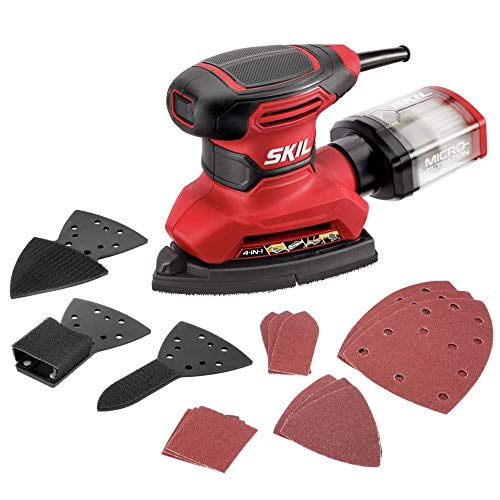
The SKIL SR232301 is a multi-function detail sander built for precision with a 1.2-amp motor delivering up to 13,500 OPM. It includes three additional detail attachments, letting you tackle fine finishing, large surfaces, and contours without swapping tools. A micro-filtration dust system and a 1-1/4″ dust port provide flexible dust-control options when paired with a vacuum. This model is best for DIYers who need a single tool that can adapt to corners, edges, and curved surfaces.
Who it’s best for: small-shop woodworkers who value versatility and dust control in a single tool. Why selected: combination of attachments and dual dust-control options helps maintain a cleaner workspace and enables precise finishing. Caution: tool-free attachment changes are quick, but users should ensure the attachments are correctly seated to prevent wobble.
HYCHIKA Detail Sander, 140W

The HYCHIKA 140W detail sander operates at speeds up to 13,000 OPM and includes a 1.2-amp motor designed for stable performance. It features an efficient dust collection system and a hook-and-loop paper change system for quick sandpaper swaps. The kit ships with 12 sheets in multiple grits and three sanding papers to cover coarse, medium, and fine work. This model is well-suited to users who need strong, steady performance in tight spaces and frequent dust control.
Who it’s best for: woodworkers needing dependable power in compact form with straightforward paper changes. Why selected: robust dust collection and easy attachment system help maintain a clean workspace during long sessions. Caution: some users may prefer a slightly stronger motor for heavy-duty materials.
SKIL Corded Detail Sander SR250801
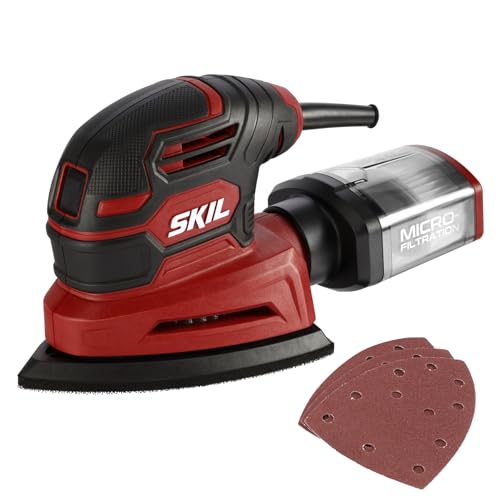
The SKIL SR250801 focuses on a compact, lightweight design with a 1-amp motor capable of 12,000 OPM. It uses a micro-filtration system and a 1-1/4″ dust port to support vacuum attachment, helping keep the work area clear. The hook-and-loop sanding sheet changes simplify quick swaps, and the included dust box adds a ready-to-use dust collection solution for smaller tasks.
Who it’s best for: beginners and hobbyists who want a simple, dependable sander with solid dust control. Why selected: light weight and easy sheet changes translate to less fatigue on long projects. Caution: not ideal for heavy stock removal due to moderate motor power.
WEN 6301 Electric Detailing Palm Sander

The WEN 6301 features a 3.75 by 5.5-inch pad and an angled tip for precision in tight work areas. It delivers up to 13,500 OPM with a lightweight design. This sander is a practical option for users who want a budget-friendly tool that can handle fine detailing tasks while maintaining manageable vibration and control.
Who it’s best for: users who want a balance of price and performance for small projects. Why selected: the angled pad improves access to corners, edges, and profiles. Caution: check for dust control compatibility with your vacuum system since some configurations rely on the dust port alone.
BLACK+DECKER Detail Sander, BDEMS600

The BLACK+DECKER BDEMS600 provides a compact, ergonomic design with a 1.2-amp motor and a dust collection system. Its compact form helps workers navigate tight spaces, and the corded design ensures continuous power for prolonged tasks. The included dust collector and 16,000 OPM capability offer solid performance for fine-detail work and quick surface prep.
Who it’s best for: crafters and remodelers who need a lightweight sander that fits into small work zones. Why selected: comfortable grip reduces fatigue while maintaining precise control. Caution: some users may want higher OPM for aggressive material removal on tougher woods.
Buying Guide
- Dust collection and vacuum compatibility: Look for a vacuum-ready dust port or built-in dust box to minimize airborne dust and keep the workspace cleaner.
- Dust system type: Micro-filtration vs general dust collection; micro-filtration often captures finer dust for indoor use.
- Power vs. control: Detail sanding demands a balance between motor amperage (for material removal) and a comfortable weight and grip for maneuverability in tight spots.
- Attachment system: Hook-and-loop (Velcro) sandpaper changes save time and reduce downtime between grits; ensure attachments are easy to swap without tools.
- Pad design and reach: Angled or compact pads improve access to corners and edges; consider pad size relative to your project scale.
- Noise and vibration: Lightweight models typically generate less fatigue; check user reviews for comfort in extended sessions.
- Included accessories: A kit with sanding sheets in multiple grits and extra attachments can be more cost-effective and ready-to-use out of the box.
FAQ
- Do these tools require a vacuum, or can they work with a dust bag? Most offer a dust port for vacuum attachment or include a dust collection system, improving air quality during use.
- Is a higher OPM always better? Higher OPM increases material removal rate but can increase vibration; choose a model that matches your tolerance for vibration and desired finish quality.
- Are hook-and-loop sandpapers essential? They speed up changes and reduce downtime; they are generally recommended for detail sanding.
- Can these sanders handle metal and plastic? Some are marketed for wood but may be used on metal or plastic with appropriate sanding papers and care; check surface compatibility for each model.
- Which model is best for small corners? Models with compact or angled pads (like the WEN 6301) are well-suited to reach tight spaces.
- Do these tools require frequent maintenance? Basic maintenance involves keeping the dust collection clean, replacing worn sheets, and inspecting attachments for secure seating.