Yes, you can cover dark paint effectively with the right primer. This guide highlights five primers that are well-suited for neutralizing dark colors on walls, furniture, and surfaces. Each option is chosen for its ability to block stains, provide solid coverage, and dry-to-surface time. Ideal buyers include DIY homeowners tackling bold colors, renters preparing walls for repainting, and hobbyists priming miniatures or crafts. A quick comparison table after the intro helps you decide which primer fits your project best.
| Product | Best For | Key Benefit |
|---|---|---|
| Krylon ColorMaxx White 12 Oz. All-Purpose Spray Paint Primer | Small projects, quick-dry touch-ups | White base for fast coverage on dark colors |
| Anirun White Interior Wall Paint 6.35 oz | Interior walls with stains or graffiti | Mess-free, press-to-apply touch-ups |
| THE ONE All-In-One Paint & Primer – Black Matte | One-coat color over surfaces | One-coat formula with primer |
| Zinsser Cover Stain Oil Based Primer | Stain-blocking on interior/exterior | High-hiding formula for tough stains |
| Zinsser Ceiling Acrylic Paint & Primer in One | Ceilings and interior touch-ups | Priming and paint in one for ceilings |
Krylon ColorMaxx White 12 Oz. All-Purpose Spray Paint Primer

Krylon ColorMaxx White provides a white base that helps cover dark paint quickly, especially for small projects or hard-to-reach areas. It is designed for quick spray coverage with a smooth finish. Best for: light touch-ups on crafts, furniture edges, and small walls where a white primer is advantageous. Limitation: as a spray, it may require masking for clean lines and uniform coats on larger surfaces.
Anirun White Interior Wall Paint 6.35 oz
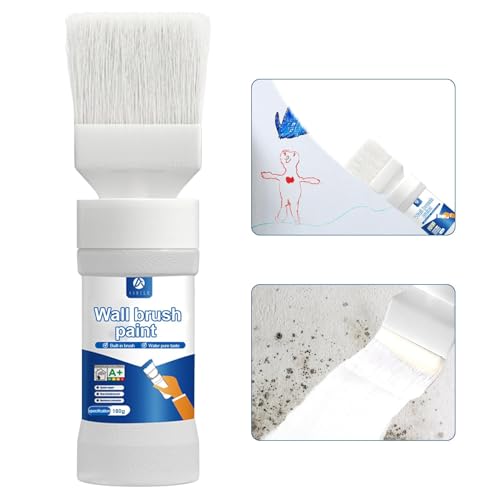
Designed for interior white drywall, Anirun White is targeted at graffiti and stain covering on interior walls. It uses a press-to-apply mechanism for mess-free touch-ups and offers one- or two-coat coverage. Best for: quick interior wall touch-ups on white or light surfaces, where speed and clean application matter. Limitation: minimum thickness may require a second coat for heavier stains.
THE ONE All-In-One Paint & Primer – Black Matte

THE ONE combines paint and primer in a single coat, offering a ready-to-use solution for fast results. It’s suitable for interior and exterior projects, including walls, floors, and furniture. Best for: projects where time-saving and a single-coat finish are priorities. Limitation: as a black matte option, it’s best used when the final color aligns with the matte black finish to avoid unintended color shifts.
Zinsser Cover Stain Oil Based Primer
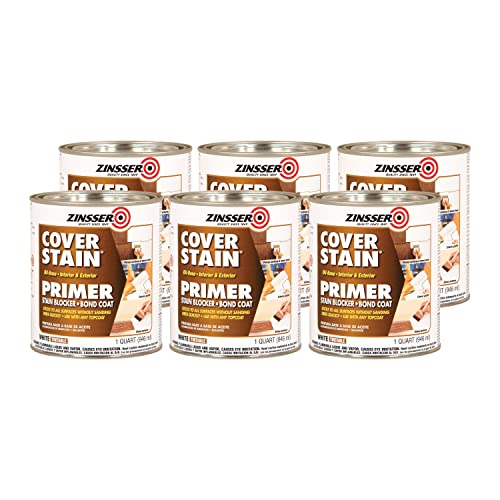
Zinsser Cover Stain is a high-hiding oil-based primer designed to block most stains and seal water, smoke, and nicotine marks. It adheres well to interior and exterior surfaces and sands smoothly. Best for: heavily stained walls or surfaces with smoke damage, where strong stain-blocking is required. Limitation: oil-based formulas may require longer drying times and proper ventilation during use.
Zinsser Ceiling Acrylic Paint & Primer in One
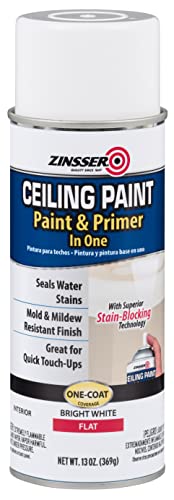
This ceiling-specific product combines primer and paint for interior ceilings, delivering low-odor performance and a simplified workflow. Best for: ceiling touch-ups where you want consistent color and quick drying. Limitation: designed for ceilings; using on walls may yield different texture or finish than wall-specific primers.
BLUEBIRD Heavy Gesso Primer for Acrylic Painting

BLUEBIRD Gesso Primer is an artist-grade primer designed for acrylic and oil painting surfaces. It provides superior coverage and excellent adhesion for a variety of substrates. Best for: art projects on canvas, wood, or paper where a smooth painting field is essential. Limitation: formulated for art surfaces; not optimized for large wall applications.
Buying Guide
What should buyers consider when selecting a primer for covering dark paint?
- Surface type: walls, wood, metal, drywall, or ceilings require different primer chemistries (oil-based, water-based, or multi-surface).
- Stain-blocking capability: heavy tobacco, smoke, graffiti, or water stains call for high-hide or stain-blocking formulations.
- Finish requirements: matte, satin, or gloss finishes affect choice for masking or final appearance.
- One-coat vs multi-coat: some products promise one-coat coverage, but heavier dark colors may still benefit from a second coat.
- Ventilation and odor: oil-based primers have stronger odors and longer drying times; water-based options often odor-free.
- Compatibility: ensure the primer works with your topcoat (latex, oil-based, epoxy, or tile coatings).
How to choose by project type
- Interior walls: start with a white or stain-blocking primer to minimize dark reveal-through.
- Small projects: spray primers like Krylon can offer quick, even coverage for accents or trim.
- Heavy staining: oil-based or high-hide primers like Zinsser Cover Stain provide robust stain blocking.
- Ceilings: consider ceiling-specific primers that reduce texture visibility and odors.
- Art and crafts: artist-grade gesso or canvas-ready primers ensure good adhesion and smooth surfaces.
Application tips and cautions
- Prepare surfaces by cleaning, sanding rough spots, and removing loose material for best adhesion.
- Use appropriate PPE when applying oil-based primers and ensure adequate ventilation.
- Test a small area first to verify color neutrality and finish before broader application.
- Follow labeling for dry times between coats to avoid lifting or blistering.
FAQ
- Can I use any primer over dark paint?
- Most primers are designed to cover dark colors, but oil-based or stain-blocking formulas are more effective for heavy pigments.
- Is it better to seal stains before painting?
- Yes, sealant or stain-blocking primer helps prevent bleed-through from strong stains or inks.
- What about brushing versus spraying primers?
- Spray primers offer quick coverage on rough surfaces or intricate areas; brushes are better for precise edges and larger, flat surfaces.
- How long should I wait between coats?
- Dry times vary by product; refer to manufacturer guidelines, but plan for at least several hours for dry-to-touch before applying topcoat.
- Are water-based primers safer for indoor use?
- Typically, yes. Water-based primers emit lower levels of odor andvolatile organic compounds (VOCs) than oil-based primers.