The 6″ backer rod market offers versatile foam and EPDM options for sealing joints, cracks, and gaps in concrete, walls, and driveways. This guide highlights five solid choices that balance size, flexibility, and durability. It helps buyers choose the right diameter and length for common gaps, with notes on intended use and practical limitations.
| Product | Diameter | Length | Color | Best For |
|---|---|---|---|---|
| PATIKIL Backer Rod 13/16 in | 13/16 in (20 mm) | 3.28 ft | Yellow | Small cracks and decorative gaps in DIY projects; lightweight and flexible foam for interior use |
| PATIKIL Backer Rod 1-1/2 in | 1-1/2 in (38 mm) | 3.28 ft | Blue | Medium to larger concrete or expansion joints; effective as a weather seal in moderate gaps |
| M-D Building Products Foam Backer Rod | 1/2 in | 20 ft | Gray | General purpose gap filling for concrete joints and foundational caulking prep |
| PATIKIL Backer Rod 3/8 in | 3/8 in (10 mm) | 3.28 ft | White | Smaller to mid-size gaps; crafts and DIY decor alongside caulking prep |
| LDHHYH Backer Rod 3/4 Inch | 3/4 in | 100 ft | Grey | Bulk projects and long runs; suitable for broader cracks and driveways |
Note: This table summarizes five solid options commonly used for backer rod tasks. Specific project needs may favor one diameter over another, especially when preparing joints for caulking or sealing in varying weather conditions.
PATIKIL Backer Rod 13/16 in Yellow

Diameter 13/16 in (20 mm); Length 3.28 ft; Color Yellow. Made from expandable polyethylene for lightweight flexibility. Best for filling smaller gaps and crack prep in DIY projects. It provides a compact backer for caulking and helps reduce air leakage. A potential limitation is its smaller diameter for wide or deep joints, which may require multiple pieces or a larger rod for complete coverage. This option is ideal for interior repairs and crafts where precise, slim backer material is preferred.
PATIKIL Backer Rod 1-1/2 in Blue
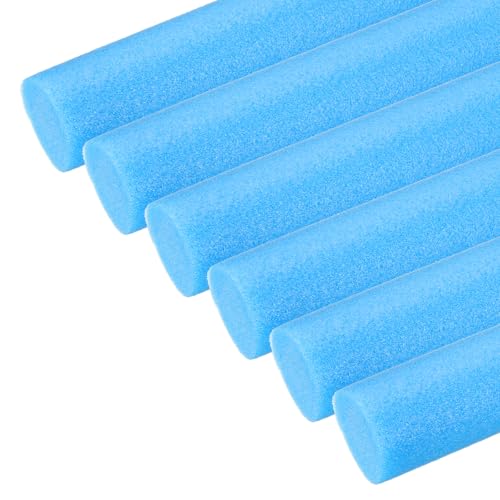
Diameter 1-1/2 in (38 mm); Length 3.28 ft; Color Blue. Suitable for larger gaps and expansion joints in concrete and exterior joints, offering robust backing for caulk. Best for bigger openings where a deeper fill is required. A limitation is that this size may be excessive for small cracks, potentially wasting material. Choose this if you routinely encounter wider joints or need a quick solution for bulkier caulking prep.
M-D Building Products Versatile Gray Foam Backer Rod

Diameter 1/2 in; Length 20 ft; Color Gray. This product emphasizes quality construction with weather resistance, suitable for both indoor and outdoor use. It excels at filling concrete gaps and creating a stable base for caulking. Best for moderate gaps and where a longer roll reduces frequent replenishment. A caution: designed for general use, not specialized for extreme temperatures or highly irregular shapes, which may require trimming or supplemental material.
PATIKIL Backer Rod 3/8 in White

Diameter 3/8 in (10 mm); Length 3.28 ft; Color White. Lightweight expandable polyethylene that supports noise-blocking and insulation objectives in addition to sealing gaps. Best for small to mid-sized gaps in interior projects or delicate crafts. A limitation is its smaller size for wide joints; for large exterior cracks, a larger diameter rod may be more efficient.
LDHHYH Backer Rod 3/4 Inch

Diameter 3/4 in; Length 100 ft; Color Grey. A bulk option designed for longer runs and larger joints, with a closed-cell foam structure offering water resistance and non-absorbency. Best for driveway cracks, wall joints, and other wide openings where extended material is advantageous. Limitation: a larger diameter may not fit very small gaps without cutting, and bulk length requires proper storage to prevent damage.
Buying Guide
What size backer rod should you choose? Diameter must match the joint width. For small cracks, a 1/4″ to 3/8″ rod often works best; for medium gaps, 1/2″ to 3/4″ is common; for wider expansion joints, 1-1/2″ or larger can be appropriate. Length matters for project scale; longer rolls reduce waste but require storage and cutting accuracy.
What material should you prefer? Foam backer rods made from expandable polyethylene are lightweight and flexible, offering good compression and weather resistance. EPDM versions provide excellent durability in exposed outdoor applications. Consider moisture exposure; non-absorbent materials reduce water intrusion and adhesive compatibility concerns.
Which features impact performance? Look for closed-cell structures for better water resistance, color typically signals diameter or design intent, and the ability to cut cleanly with scissors matters for precise fit. For DIY crafts and decorative uses, smaller diameters and colorful rods can also serve aesthetic purposes when sealed properly.
How should you prepare joints before installing a backer rod? Clean the gap of dust, debris, and oil. Dry the area if possible. If the joint is very wide, you may fill part of it with multiple sections to reach the desired depth, then seal with caulk or sealant to finish the joint.
Storage and handling tips: Keep rods in a dry environment, away from direct sunlight to prevent distortion. Use sharp scissors or a utility knife to cut cleanly. Store unused portions in a sealed container to prevent moisture uptake and deformation.
FAQ
- Q: Can backer rods be reused? A: Generally, backer rods are designed for one-time use, especially after compression and exposure to sealants. For small DIY tasks, you can reuse if the material remains clean and properly shaped.
- Q: Do I need a backer rod with a specific color? A: Color typically indicates diameter or product line. Choose a color tied to the diameter you need and not to a decorative purpose.
- Q: How do I cut backer rod to fit? A: Use scissors or a sharp utility knife to cut the rod to length. Ensure the cut is straight to provide a uniform backing for caulk.
- Q: Is backer rod essential for all joints? A: It is recommended for gaps where you want to control caulk depth and prevent three-sided adhesion. Small interior cracks can be caulked directly, but backing rod improves durability for larger joints.
- Q: Can backer rod be used outdoors? A: Yes, many backer rods are designed for outdoor use if they’re made from weather-resistant materials. Check the product’s weather performance notes before outdoor application.