If you’re coating plastic surfaces, choose products designed to bond to plastic and resist chipping, cracking, and UV damage. This guide highlights five suitable coatings and sealers for plastic, detailing who each product is best for, why it’s chosen, and any limitations to consider.
| Product | Best For | Why It Stands Out |
|---|---|---|
| Rust-Oleum 271913 Acrylic Enamel 2X Spray Paint | General plastics, metal, wood projects | All-in-one paint and primer with solid coverage; dries fast |
| Dupli-Color HVP106 Vinyl and Fabric Coating Spray | Interior plastic components on vehicles | Flexible, self-priming finish that resists cracking |
| 2 Pack Plasti Dip Mulit-Purpose Rubber Coating Spray | Plastic surfaces requiring rubberized protection | Moisture and corrosion resistance with non-slip feel |
| Clear Acrylic Paint Sealer, High Gloss Varnish | Finished plastic crafts and models | Crystal-clear, gloss finish that resists yellowing |
| Rust-Oleum 248657 Rubberized Undercoating Spray | Plastic undercarriage panels or metal tested outdoors | Long-lasting rust protection with quick dry time |
Note: Each product serves different plastic scenarios—from interior fabrics to exterior plastics. Consider the surface type, flexibility, UV exposure, and required finish when choosing a coating.
Rust-Oleum 271913 Acrylic Enamel 2X Spray Paint
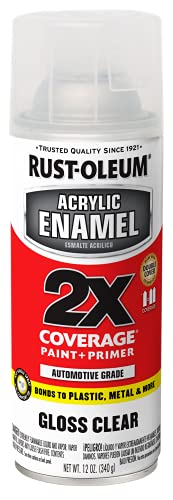
Brand: Rust-Oleum
Features: General purpose paint for use on metal, most plastic and wood; All-in-one paint and primer provides excellent coverage and adhesion; Dries to touch in 20 minutes; covers up to 12 sq ft per can.
Best for: Projects needing a simple, fast-drying coating on a variety of plastics and other materials. Choose this for straightforward color or clear finishes with reliable coverage. Caution: Standard enamel can be less flexible on highly curved plastics; test on a small area first.
Dupli-Color HVP106 Vinyl And Fabric Coating Spray

Brand: Dupli-Color
Features: Vehicle interior spray paint with maximum adhesion promoter to bond directly to interior components; Flexible self-priming formula to resist cracking; Dry to touch in 30 minutes; can be handled in 1 hour.
Best for: Plastic interior surfaces like dashboards or vinyl panels. Better for flexible finishes that won’t crack with movement. Caution: Designed for interiors; exposure to sunlight or weathering may affect longevity on exterior plastics.
2 Pack Plasti Dip Multi-Purpose Rubber Coating Spray

Brand: Plasti Dip
Features: Provides protection from moisture, acids, and corrosion; Non-slip grip and comfortable handling; Flexes without cracking in harsh weather conditions.
Best for: Plastic dashboards, trim, or handles where a flexible rubber coating is desired. Caution: May require multiple coats for full coverage and some odor during application.
Clear Acrylic Paint Sealer, High Gloss Varnish
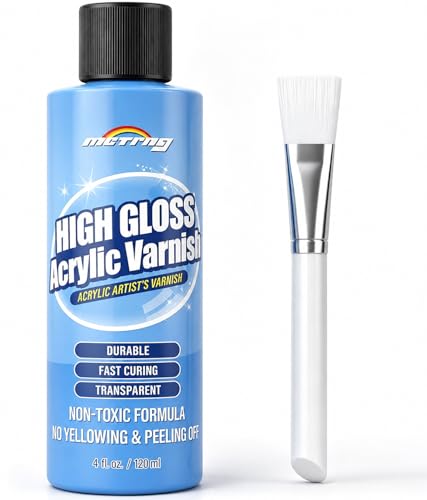
Brand: MCTRHG
Features: Crystal-clear wet-look gloss with permanent protection; Resists yellowing, fading and UV; Self-leveling finish that dries clear with no brush marks.
Best for: Sealing painted plastic to improve gloss and protect colors. Caution: Not a substitute for weatherproofing exterior plastics in harsh conditions.
Rust-Oleum Rubberized Undercoating Spray

Brand: Rust-Oleum
Features: Versatile automotive undercoating for bare or primed metal underbodies; Long-lasting rust protection; Dries to touch in 30 minutes; covers up to 10-12 sq. ft. per can.
Best for: Protecting exposed plastic or metal panels exposed to moisture and road chemicals. Caution: Primarily designed for undercoating on vehicles; surface preparation improves adhesion on plastics.
Buying Guide
What finish do you want? Gloss, semi-gloss, or matte? Glossy finishes enhance color depth on plastic, while matte finishes hide surface imperfections. Consider whether you need a primer included or a dedicated sealer to prevent yellowing and UV damage.
Is the surface flexible? Plastic parts on cars and consumer products bend with use. Flexible coatings (like vinyl/fabric coatings or rubberized coatings) resist cracking better than rigid enamel on curved surfaces.
Where will the piece be used? Exterior plastics exposed to sun, rain, and temperature fluctuations require UV resistance and durable topcoats. Interior plastics can benefit from flexible coatings that resist cracking and withstand cleaning.
How much coating do you need? Check coverage per can or bottle and the surface area. For large projects, choosing a versatile spray with wide coverage reduces the number of cans required.
Preparation matters. Clean the surface, remove oils, and dry thoroughly. Lightly scuff glossy plastics to improve adhesion, then follow drying times between coats for best results.
FAQ
- Q: Can I use automotive undercoating on plastic furniture? A: It can bond to some plastics, but it’s designed for underbody protection. Test on a small area first and consider a finish formulated for interior plastics if the project is indoors.
- Q: Do these coatings require a primer? A: Some sprays act as both primer and paint. For best results, follow product instructions and consider a dedicated primer if the surface is hard to bond.
- Q: How long does drying time take between coats? A: Most products offer a touch-dry range from 20 to 60 minutes; plan for 1–2 hours before handling or adding a second coat.
- Q: Will these paints resist yellowing on clear coats? A: Some clear coats are designed to resist yellowing and UV exposure, but check product specifics for long-term clarity on plastics exposed to sunlight.
- Q: Is a sealant necessary after painting plastic surfaces? A: A clear sealant can protect color and improve durability, especially on high-wear or outdoor plastics.
- Q: Can I spray multiple layers on curved plastic parts? A: Yes, but apply thin, even coats and allow proper drying time to avoid runs or bubbles.