Answer: If you’re spraying masonry surfaces, a high-volume, adjustable spray system is essential. The best options combine powerful motors, wide material compatibility, and easy cleanup. This guide highlights five versatile sprayers ideal for masonry paints, primers, and sealers, plus a buying guide to match your project type—indoor walls, exterior brick, or concrete surfaces. Whether you’re refinishing a fence or prepping a large carport, these picks balance coverage, control, and practicality for DIY and home improvement projects.
| Product | Best For | Key Benefit |
|---|---|---|
| HomeRight Super Finish Max | Small to medium masonry projects | Adjustable settings for horizontal/vertical spray; 450W power |
| LUXARIAEL 650W Cordless | Cordless convenience on large outdoor surfaces | Two batteries and large container |
| PULENDY HVLP Sprayer | Cabinets, furniture, and varied masonry textures | Four nozzle sizes; three spray patterns |
| WORKPRO 700W Airless | Fast coverage on walls and fences | 2900 PSI, adjustable pressure |
| Graco Magnum Project Painter Plus | Frequent, varied projects up to 5 gallons | Flexible suction from paint bucket |
HomeRight Super Finish Max HVLP Paint Sprayer
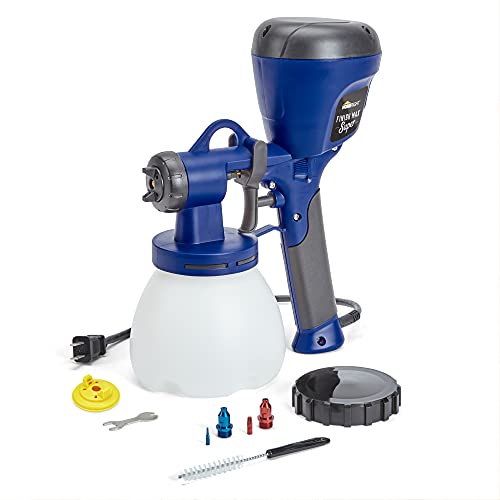
The HomeRight Super Finish Max is a versatile sprayer suited for masonry projects that require a fine, even finish on fences, decks, or masonry surfaces primed with primers or sealers. It offers adjustable air-cap positions for horizontal, vertical, and round spray patterns, plus a material flow control knob to modulate output. With 450 watts, it handles chalk-type paints, latex, enamels, varnishes, and stains. Best for: DIY enthusiasts working on smaller to medium masonry tasks who want precise control and a smooth finish. Limitation: may require longer passes on very large exterior brick surfaces due to a modest output compared to high-capacity units.
LUXARIAEL Paint Sprayer, 650W Cordless

This cordless sprayer delivers freedom and efficiency for masonry projects such as exterior walls, fences, and large patios. It runs on a 650W motor with two 4000mAh batteries and a large 1400ml container, enabling up to 25 minutes of continuous spray per battery and up to 480 sq. ft. in 15 minutes. Best for: outdoor masonry work away from outlets and when you need uninterrupted spraying across large surfaces. Caution: cordless runtime may require battery swaps for very large jobs.
PULENDY HVLP Paint Sprayer

The PULENDY sprayer features four nozzle sizes (1mm, 1.5mm, 2mm, 3.0mm) and three spray patterns (horizontal, vertical, circular), enabling tailored coverage for masonry textures such as stucco, brick, and concrete block. It includes blowing and cleaning functions to prep surfaces and flush lines after use. Best for: beginners and intermediate DIYers who want flexibility for varied masonry textures and finishes. Limitation: assembly is straightforward but may require careful nozzle selection for fine details.
Graco Magnum Project Painter Plus
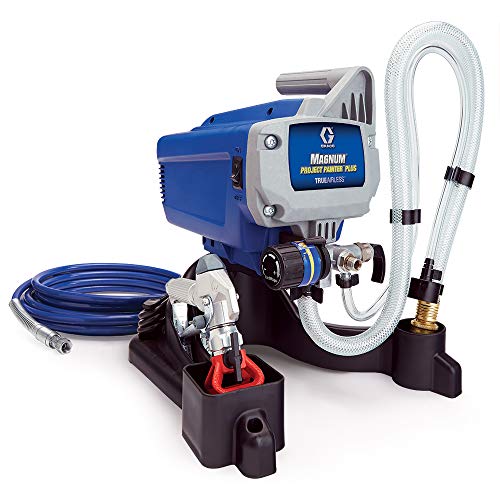
The Graco Magnum is designed for larger masonry tasks with versatility in mind. It supports spraying directly from a paint bucket via its flexible suction tube, allowing efficient use of masonry primers and coatings across walls, fences, and exterior surfaces. Best for: homeowners tackling multiple masonry projects or larger areas, who value continuous workflow and compatibility with unthinned paints. Caution: heavier unit and setup may be overkill for small touch-ups or tight corners.
WORKPRO 700W Airless Paint Sprayer

WORKPRO’s 700W airless sprayer delivers up to 2900 PSI with a 0.317 GPM flow, enabling fast coverage on large masonry projects—ideal for exterior walls, fences, and ceilings. It offers adjustable pressure for precise control and reduces brush and roller marks, providing a smooth, durable finish. Best for: DIYers who need rapid coverage on expansive masonry areas. Limitation: airless systems can produce more overspray on rough textures; manage settings carefully for brick and textured concrete.
Buying Guide: How To Choose The Right Masonry Paint Sprayer
What project size and surface type will you spray? Choose higher-output models for large exterior walls and fences, and lighter units for decorative masonry or interior surfaces.
Do you need cordless operation? Cordless sprayers excel away from outlets, but ensure battery life supports your project length. For continuous, large-area jobs, a corded or high-capacity system may be preferable.
Which spray pattern matters? Horizontal and vertical patterns provide control on flat walls, while circular patterns handle corner fills. Multiple nozzle sizes help adjust for texture and paint viscosity.
How important is cleanup? Models with built-in cleaning features and quick-disconnect components save time on masonry coatings that dry quickly or are highly pigmented.
What about compatibility? Masonry paints can be thick; look for sprayers with adjustable flow and the ability to spray primers and sealers when needed. Consider container size to minimize refills on large surfaces.
Frequently Asked Questions
- Can I use latex or acrylic masonry paint in an HVLP sprayer? Yes, many HVLP sprayers handle latex and acrylics, but check the manufacturer’s recommendations for viscosity and thinning requirements.
- Is a cordless sprayer better for masonry than a corded one? Cordless offers mobility for outdoor surfaces away from outlets, but corded models typically provide longer runtime and constant pressure for large areas.
- What nozzle size should I start with for brick or stucco? Start with a wider nozzle (e.g., 1.5-2.0 mm) for rough textures, then switch to finer nozzles for detail work.
- Is overspray a big concern with masonry spraying? Sprayer choice and technique affect overspray. Use proper distance, pattern, and flow settings to minimize it, especially on textured surfaces.
- Can I spray from a bucket with a spray gun? Some units support direct-bucket operation via suction tubes, which reduces interruptions for refills on large jobs.
- Do I need protective coatings after spraying masonry surfaces? Depending on the coating, you may apply sealers or topcoats after curing to enhance durability and weather resistance.