Answering the top buyer question: you want brushes and tools designed to grip and lay down texture without dragging or shedding. For textured walls, choose tools that handle high-stain capacity, resist bristle loss, and offer cutting-in control on uneven surfaces. The following five products are tailored for textured-wall projects, from large surface coverage to precise edge work. This guide targets DIYers and professional painters who need reliable performance on plaster, drywall with knockdown textures, or bold decorative textures.
Below is a quick buying table to compare the five selected products. It focuses on what each tool is best for, who it suits, and a primary limitation to consider. Use this as a quick reference when planning a textured-wall painting project.
| Product | Best For | Key Benefit | Limitation |
|---|---|---|---|
| Pro Grade 5-Piece Paint Brush Set | All-around textured walls, trim, cabinets | Varied sizes for different textures and detailed cutting | Higher bristle count requires organization |
| Pro Grade Paint Roller Kit (10 pieces) | Large textured wall surfaces | Includes rollers and brushes for quick coverage | Rollers may be less precise on tight edges |
| Pro Grade 2 Inch Angled 3 Pack | Cutting in around texture edges | Three angled brushes for crisp lines | Small sizes require more passes on large areas |
| Double Thick Chip Paint Brush (3 inch) | Broad textured surfaces, fences, furniture coatings | Wide stroke with strong coverage | Not ideal for fine trim |
| PinStone 3 Pack 2 Inch Angled | Edge work and corners on textured walls | Ease of control with synthetic bristles | Three brushes may require rotation when finishing large rooms |
Pro Grade 5-Piece Paint Brush Set
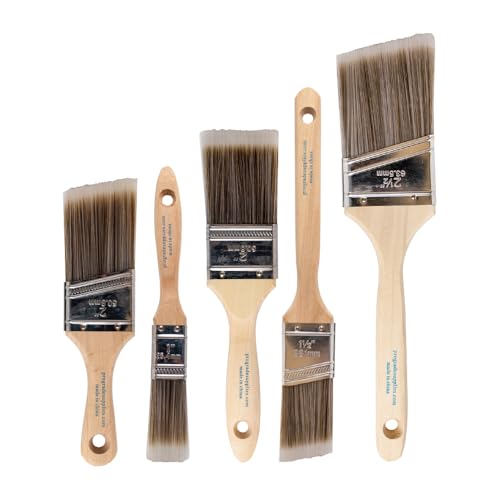
The Pro Grade 5-Piece Brush Set includes a 1 inch flat, 1.5 inch angle, 2 inch flat, 2 inch angle stubby, and a 2.5 inch angle brush. This range supports walls, trim, cabinets, doors, and detailed cutting-in work on textured surfaces. The set is designed to minimize bristle loss thanks to precision adhesive bonding and a coated steel ferrule, helping maintain a smooth, streak-free finish. Best for DIYers tackling mixed-texture walls and homeowners who want professional-grade performance at a budget-friendly price. Caution: the 2 inch angle stubby is compact, which may require a steadier hand on very high-contrast edges.
Who it’s best for: Homeowners or professional painters who need a full starter set to cover walls and trim with texture. Why selected: the complete assortment provides the most flexibility for textured walls, from broad surfaces to tight corners.
Pro Grade Paint Roller Kit (10 Pieces)

This 10-piece kit combines a plastic paint tray, two roller frames (9 inch and 4 inch), microfiber roller covers (both large and mini sizes with 1/2 inch nap), plus a set of brushes for cutting-in tasks. It’s designed for walls with textured surfaces, enabling quick coverage of large areas while still enabling precise work near edges and corners. Best for homeowners completing whole-room projects or small professional crews who want an all-in-one kit for walls and ceilings. Caution: for ultra-narrow crevices, you may still need a dedicated edge brush beyond this set.
Who it’s best for: DIYers and homeowners who prefer an all-in-one solution for textured walls. Why selected: the kit covers both broad areas and fine detail in a single purchase, speeding up textured-wall projects.
Pro Grade 2 Inch Angled Paint Brush (3 Pack)

The 3-pack of 2-inch angled sash brushes is designed for clean lines around trim, baseboards, ceilings, and detailed edge work on textured walls. Angled brushes offer better control in irregular surfaces and corners compared with straight brushes, reducing streaks and uneven coverage. Best for pros who need multiple brushes with consistent quality for cutting in around complex textures. Caution: smaller size means more passes on large flat areas, potentially increasing application time.
Who it’s best for: Contractors or DIYers focusing on precision around textured edges. Why selected: value-packed set of angled brushes provides reliable cutting-in performance for textured walls.
PinStone 3 Pack 2 Inch Angled
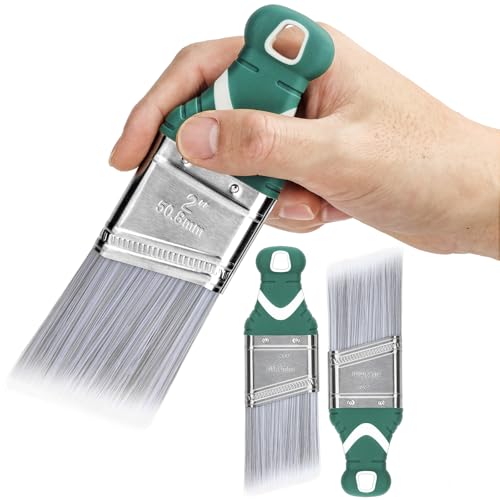
The PinStone 3 Pack includes 2-inch angled brushes with synthetic bristles and a rubber grip designed for edge work on walls with texture. The angled shape helps achieve crisp lines along fixtures and corners, while synthetic bristles hold and release paint smoothly on both water- and oil-based coatings. Best for finishing touches and precise cuts on textured walls. Caution: pack includes multiple brushes of the same size; rotate usage to maintain consistency across rooms.
Bates- Paint Roller Kit, 19 pcs

Though primarily a roller-focused kit, Bates Choice’s 19-piece set includes everything essential for textured-wall projects, including multiple brushes, a tray, scrapers, a sanding block, and a drop cloth. It’s useful for comprehensive room refreshes where texture is involved, offering flexibility for large surfaces and prep work. Best for beginners who want an all-in-one starter kit. Caution: the set includes many basic tools; prioritize brushes if texture-focused surfaces are your primary concern.
Buying Guide: Texture-Ready Tools For Walls With Texture
What textures are you painting?
Knockdown, orange peel, or stucco textures require different brush and roller choices. For broad texture coverage, wider brushes and rollers with suitable nap lengths help prevent streaks. For tight corners, angled brushes and stubby handles offer better control.
Brush width and edge control
Smaller brushes (1–2 inches) are ideal for cutting in along baseboards and crown molding with texture. Larger brushes (2.5–3 inches) cover bigger flat areas efficiently, but may sacrifice some edge precision. A mix of both is typically best for textured walls.
Material and bristle performance
Synthetic filaments work well with most latex, oil-based paints, and stains, and offer consistent results on textured surfaces. Look for bristles that resist shedding and maintain stiffness for multiple passes over rough surfaces.
Durability and maintenance
Adhesive-bonded bristles and sturdy ferrules reduce bristle loss during heavy use on textured walls. Clean brushes promptly after painting to preserve shape and extend life. A brush set with multiple sizes in one package helps streamline cleanup and storage.
When to choose rollers vs. brushes
Rollers are best for large textured-wall areas, delivering even coverage quickly. Brushes are preferable for cutting-in along edges and tight spots where texture complicates roller paths. In many projects, using both yields the best result.
Practical tips for textured walls
- Load brushes evenly with paint to avoid drips on textured surfaces.
- Use long, even strokes to minimize texture-induced lines.
- Keep a damp, clean cloth handy to wipe off stray paint on protruding texture.
FAQ
- Q: Which brush size is best for textured walls? A: Start with a 2-inch to 2.5-inch angled brush for edges and cut-ins, and use a broader brush (2.5–3 inches) for larger flat areas.
- Q: Are synthetic brushes better for textured walls? A: Yes, synthetic bristles provide consistent paint release and resist wear on rough surfaces.
- Q: Do I need a special roller for textured walls? A: A roller with a longer nap (1/2 inch or more) can help cover texture more evenly on large surfaces.
- Q: How do I avoid bristle shedding on textured walls? A: Choose brushes with precision adhesive bonding and high-quality ferrules, and clean brushes promptly after use.
- Q: Can I reuse brushes after staining and painting textured surfaces? A: Yes, with proper cleaning and drying, but some heavy-duty stains may reduce brush life over time.
- Q: What is the best order to paint textured walls? A: Prep surface, cut in edges with angled brushes, paint large areas with rollers, then touch up as needed with a brush.