If you’re seeking the best wax options for stained wood, these picks offer durable protection, easy application, and food-safe options where relevant. They’re suited for interior furniture, cabinets, decor, and hardwood floors, with considerations for ease of use, odor, and finish type. This guide highlights five top choices and explains who each product is best for, plus practical cautions to help you decide.
| Product | Best For | Why It Stands Out |
|---|---|---|
| Jolie Finishing Wax (120 ml) | DIY furniture refinishing projects | Odor-free, non-hazardous, clear protective coat with easy 1–2 coat application. |
| HOWARD WAX-IT-All | Food-contact surfaces and kitchen items | Beeswax-based, food-grade, versatile for wood, stone, metal, plastics. |
| DWIL Wood Finishing Wax | Painted or raw wood surfaces | 100% natural, plant-based, carnauba/beeswax blend with durable protection. |
| Howard Feed-N-Wax Wood Polish | Antique or heirloom wood | Cuts a balance of conditioning oils plus wax to enrich grain and depth. |
| Tried & True Original Wood Finish | Long-lasting, heirloom projects | Linseed oil and beeswax blend for durable, repairable finish. |
Jolie Finishing Wax – Protective Topcoat
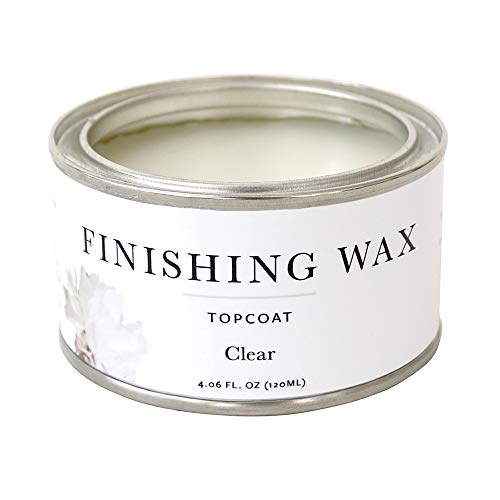
Brand: Jolie. This clear wax seals interior furniture, cabinets, and decor. It works on painted, stained, or raw wood, and is designed for odor-free, non-hazardous use. Application is straightforward: 1–2 coats with a wax brush or soft cloth, with 8 hours between coats. Coverage is generous; the 120 ml size is ideal for small to medium projects, while larger cans cover more area. Best for hands-on crafters seeking a clear, non-yellowing finish without strong odors.
Who it’s best for: DIY enthusiasts and hobbyists refinishing chairs, tables, or decorative pieces. Choose this if you want an odor-free topcoat that dries clear and remains non-yellow over time. Caution: avoid very high humidity environments during curing to ensure even drying.
HOWARD WAX-IT-All

Brand: HOWARD. This protective, food-grade beeswax wax supports surfaces including wood, stone, metal, and plastics. It creates a light protective barrier for kitchen items and provides a satin sheen when buffed. Easy to apply by spreading a thin layer, drying, then buffing for a subtle glow. Best for food-prep areas and dining spaces where a safe, gentle wax finish is desired.
Who it’s best for: Home cooks and households needing a food-safe wood wax for cutting boards and countertops. Limitation: may require frequent reapplication for high-use surfaces.
DWIL Wood Finishing Wax

Brand: DWIL. This 100% natural formula blends plant-based oils with carnauba wax and beeswax. It is suitable for sealed and raw wood, including wooden floors and furniture, offering durable protection and a lustrous finish. The plant-based composition makes it appealing to eco-conscious buyers seeking an eco-safe option.
Who it’s best for: Eco-minded homeowners and DIYers seeking a natural wax to protect and enhance grain without synthetic additives. Caution: test on a small area first to ensure compatibility with painted finishes.
Howard Beeswax Wood Polish & Conditioner
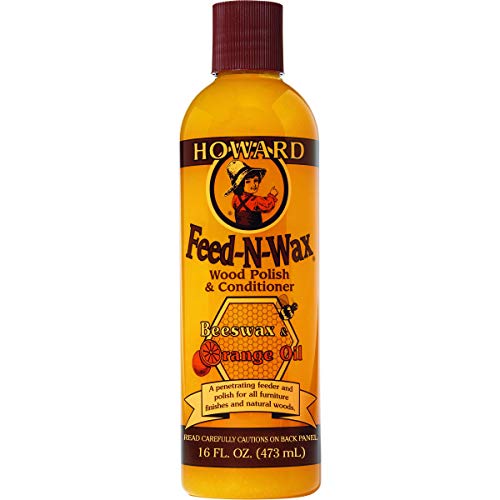
Brand: HOWARD. This beeswax-based polish provides a soft luster with a protective carnauba wax coating. It includes conditioning elements to help prevent drying and fading, and it enhances natural grain on both finished and unfinished wood. Best for antique or heirloom pieces where a gentle, traditional look is desired.
Who it’s best for: Restorers and collectors seeking a classic beeswax polish that nourishes woodland surfaces. Limitation: may require regular buffing to maintain sheen on high-traffic items.
Premium Beeswax Wood Polish — 3.5 Fl Oz

Brand: Rhoose Point Remedies. This hand-poured beeswax-based conditioner uses all-natural, food-safe ingredients. It’s designed to clean, restore, and polish all wood surfaces, including furniture and cutting boards. An ideal choice for those prioritizing natural ingredients and a British-made, small-batch approach.
Who it’s best for: Home chefs and families needing a clean, natural wood conditioner for kitchen items and general furniture. Limitation: smaller bottle size may require more frequent reordering for larger projects.
Buying Guide
What type of wax do you need?
Consider whether you want a pure wax topcoat, a wax-based polish with oils, or a food-safe option for kitchens. Waxes combine protection with soft luster, while oils penetrate and nourish but may offer a lighter surface sheen.
Indoor use and odor considerations
For enclosed spaces, odor-free or low-odor formulas are advantageous. Odor-free options like Jolie’s wax or similar products reduce indoor fumes while you work.
Surface compatibility
Check whether the wax is suitable for painted, stained, or raw wood. Some formulas are designed for furniture, while others excel on floors or countertops.
Finish look and durability
Decide between a high-gloss or satin finish and how durable you need the coating to be. A wax finish is repairable and reusable, while some blends offer longer-lasting protection with periodic reapplication.
Food safety and household considerations
For kitchens and cutting surfaces, prefer food-grade beeswax or polymerized options. This reduces concerns about safety on surfaces that contact food.
Application and maintenance tips
Follow product directions for dry times, number of coats, and buffing. Use proper tools such as a wax brush or soft cloth. For best results, test on a hidden area first to assess compatibility and sheen.
Choosing between products
If you want a clear topcoat with easy application and odor control, Jolie’s waxes are strong contenders. For food-contact areas, Howard WAX-IT-All or Feed-N-Wax provide safer, conditioning options. For natural, eco-conscious finishes, DWIL and the Tried & True blend offer durable protection with simpler repair options.
Quick comparison at a glance
- Best for odor-free, easy topcoats: Jolie Finishing Wax (120 ml) and Jolie Clear Finishing Wax (500 ml).
- Best for food-safe surfaces: HOWARD WAX-IT-All and Howard Feed-N-Wax.
- Best for natural, plant-based finishes: DWIL Wood Finishing Wax.
- Best for long-term durability and repairability: Tried & True Original Wood Finish.
FAQ
- What is the difference between wax and oil finishes for stained wood?
Answer: Waxes provide a surface layer with shine and protection, while oils penetrate and nourish the wood, often requiring more frequent upkeep. - Are these products safe for kitchens and cutting boards?
Answer: Some are labeled food-grade or food-safe (for example, Howard WAX-IT-All and Feed-N-Wax). Check each product’s labeling before use on food-contact surfaces. - How many coats should I apply?
Answer: Most wax finishes recommend 1–2 coats with a curing period of several hours between coats. Always follow the manufacturer’s guidance for best results. - Can wax finishes be repaired without stripping the entire piece?
Answer: Yes. Waxes are generally repairable; you can reapply a thin coat and buff to restore luster on worn areas. - Is a natural wax a better choice for antique furniture?
Answer: For antiques, a natural wax like beeswax-based formulas can preserve patina while offering gentle protection. Test on a inconspicuous area first. - Will wax yellow over time?
Answer: Some waxes are formulated to resist yellowing; look for non-yellowing or UV-stable options if your piece is light-colored or highly visible.