When choosing an epoxy primer for steel, look for products with strong adhesion, corrosion resistance, and compatibility with common topcoats. This guide highlights five reliable primers that are well-suited for automotive, industrial, and DIY steel projects. Each pick targets different needs—from fast-drying, low-VOC options to bulk kits for larger jobs. Suitable buyers include professional body shops, hobbyists restoring metal, and DIYers tackling rust-prone steel surfaces.
Summary table of selected products:
| Product | Best For | Format | Key Benefit |
|---|---|---|---|
| Speedokote Epoxy Fast Dry 2.1 Low VOC DTM Primer & Sealer Gray (SMR-260G/261) | Professional body shops, faster workflows | Gallon Kit | Fast dry, low VOC, strong adhesion |
| SprayMax 2K Epoxy Primer Gray | General metal projects, easy spray | 12.5 oz aerosol | 2K technology, good adhesion |
| Eastwood Gray Epoxy Primer and Sealer Quart | DIYers, restoration projects | Quart | Sealer plus primer, versatile |
| Speedokote Epoxy Fast Dry 2.1 Low VOC DTM Primer & Sealer Gray Quart Kit | Smaller jobs or refinish garages | Quart Kit | Same formulation in smaller batch, easy mixing |
| STEEL-IT Epoxy Primer 4210G | Coatings where steel flakes are beneficial | 2 Gallon Kit | Contains stainless steel flake for corrosion control |
Speedokote Epoxy Fast Dry 2.1 Low VOC DTM Primer & Sealer Gray Gallon Kit
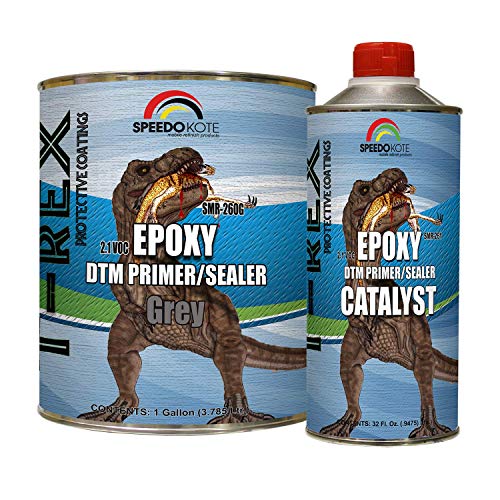
Best for professional workflows requiring a fast-drying epoxy with low VOC. This primer 4:1 mix is designed for direct-to-metal use with optional reducer, and it adheres well to steel, aluminum, fiberglass, body fillers, and existing finishes. Best for jobs where time savings matter and a robust foundation is needed. Caution: work in a well-ventilated area due to solvent fumes.
SprayMax 2K Epoxy Primer Gray

Better for spray-on projects where a simple aerosol application is preferred. The 2K epoxy formula provides strong adhesion and rust protection on steel and aluminum. It’s suitable for automotive restorations and metal fabrications. Caution: aerosol cans may require multiple coats for thicker film; ensure proper shaking and nozzle use for even coverage.
SprayMax 2K Epoxy Primer Black
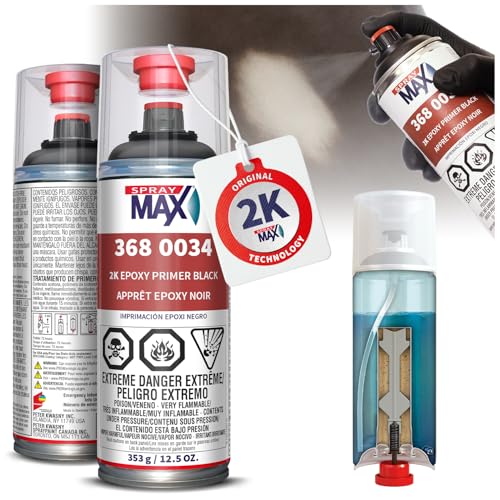
This black 2K epoxy primer offers corrosion resistance with strong adhesion on steel and aluminum, ideal for automotive bases and underground metals where a dark primer helps hide imperfections. Choose this if you’re planning a lighter topcoat or want a neutral underlayer. Caution: ensure compatibility with your topcoat color to avoid color shift.
Eastwood Gray Epoxy Primer And Sealer Quart

Best for DIY restorations needing both primer and sealer in one product. This Eastwood gray epoxy primer is designed for steel, fiberglass, and aluminum, providing rust prevention and a smooth base for paint. It is especially useful when long-term durability is a priority. Caution: follow mixing ratios precisely for optimal film thickness and hardening.
STEEL-IT Epoxy Primer 4210G (2 Gallon Kit)

This primer is notable for containing the same stainless steel flake as STEEL-IT topcoats, which helps inhibit corrosion if the substrate becomes exposed. Best for industrial applications or projects where additional corrosion resistance is desired. Caution: recommended as a base under specific STEEL-IT topcoats for full performance.
Buying Guide
What form should I choose: spray can or gallon kit?
Aerosol primers (like the 12.5 oz or 12.7 oz sprays) are convenient for spot work or small projects. Bulk kits (gallons or quarts) suit larger surfaces and consistent film thickness. Consider your project size and storage needs when deciding.
Is 2K epoxy necessary for steel?
2K formulations cure with a cross-linking mechanism that provides superior durability and corrosion resistance. For outdoor, high-humidity, or heavily rust-prone steel, 2K is generally preferred. If a 1K system is specified, ensure topcoat compatibility.
Low VOC considerations
Low VOC products reduce solvent emissions during application. They are beneficial for indoor projects and meeting regulatory requirements, but verify that performance meets your finish goals, especially for heavy-duty steel work.
Compatibility with topcoats
Choose primers that are compatible with your intended topcoat system (urethane, enamel, or powder). Some primers serve as sealers, offering a smoother surface for subsequent coatings. Always confirm with the topcoat manufacturer guidance.
Application environment and ventilation
Epoxy primers require proper ventilation and PPE. Use respirators or masks rated for solvent vapors, and ensure sufficient airflow, especially for fast-drying formulas. Store and handle mixed primers according to label instructions.
Film thickness and curing time
Film thickness impacts corrosion protection. Follow recommended dry film thickness and recoat windows. Do not rush dry times; improper curing can compromise adhesion and finish quality.
What is best for rust-prone steel?
Primers with strong corrosion resistance and, if possible, added rust-inhibiting properties are ideal. 2K epoxy formulations generally provide better long-term protection on steel exposed to moisture or salts.
FAQ
- Can I use epoxy primer directly on bare steel? Yes. Epoxy primers are designed to bond to bare metal, forming a protective, primed surface for the topcoat.
- Do I need primer sealer, or can I skip it? A sealer helps create a uniform surface and can improve adhesion and topcoat appearance, but not all projects require it. Check your topcoat requirements.
- Are these primers compatible with powder coating? Epoxy primers are intended for liquid coatings. For powder coating, consult the powder supplier for compatible primers or pretreatment steps.
- How soon after priming can I apply the topcoat? Follow the product’s recoat window. Many epoxies require a specific time before topcoating to ensure proper adhesion.
- What safety steps are essential? Work in a ventilated area, wear appropriate PPE, and follow all label safety instructions for solvent and chemical exposure.
- Can I use any cleaner with epoxy primer? Use cleaners recommended by the primer manufacturer to avoid residue that could affect adhesion.